Visual Developmental Milestones
Visual Developmental Milestones

A large part of childhood development relies on the ability to see the world around us. We use our vision to recognize people and places, identify threats, and navigate our surroundings.
Children with vision impairments are at a major disadvantage for meeting expected developmental milestones. Sense of sight plays an invaluable role in not only visual development, but also in cognitive, social, and motor development.
A 2024 survey from the U.S. Census Bureau estimated over 67,000 children under the age of 5 have vision difficulties. This can range anywhere from low or poor vision all the way to total blindness. These impairments can occur from genetic abnormalities or hereditary factors, but children can sometimes acquire them after undergoing birth injuries.
Injuries at birth — and especially brain injuries at birth — can damage neural pathways and critical structures required to see clearly. And while these kinds of injuries are usually rare, their probability of happening increases when healthcare providers make preventable mistakes.
When doctors, midwives, and delivery nurses miss signs of birth complications, babies can suffer from preventable injuries. These birth injuries can damage critical structures within the eyes and brain, leading to long-term vision problems and developmental delays.
If you believe preventable errors during labor caused or contributed to your child’s visual developmental delays, consider seeking legal guidance. One of our experienced birth injury attorneys can help you find out what happened and help your family pursue compensation.
Talk With Our Developmental Delays Attorneys Today
Developmental delays during childhood can significantly alter a child’s life trajectory. When their disabilities stem from preventable mistakes during labor, we believe families deserve compensation to afford the best possible care.
Miller Weisbrod Olesky's national birth injury attorneys use decades of legal and medical expertise to uncover the root cause of these injuries. We can help your family pinpoint exactly where medical providers went wrong and hold them accountable for their actions.
Free Legal Consultation
Birth Injury Lawyers
(888) 987-0005Our Birth Injury Lawyers are available to meet you in your home or the hospital.
With over 40 years of experience, our top-rated legal and medical research team has been securing results for our clients. Our vast network of medical experts and nine in-house nurses give us the edge over the other birth injury firms.
When you hire us to represent your family, you get more than just a lawyer on your side. We provide each client with an entire team of attorneys, patient-nursing advocates, and medical specialists.
Your team can assist you with any pressing updates or questions you may have while your case is open. But we understand that your child’s needs cannot just go on hold during litigation; that’s why we offer help today.
From the moment you sign with us, we will start addressing your family’s day-to-day needs. This includes things like finding medical specialists, scheduling appointments, obtaining medical records, providing transportation and lodging, and much more.
This help is available for your family at no upfront cost. We only charge attorneys’ fees on cases we win, and we only receive payment after you do.
We are proud to have an extensive track record of securing birth injury results for medical malpractice victims. Reach out today to learn more about how our birth injury attorneys can best serve your child’s growth.
When Can Babies First See Clearly?
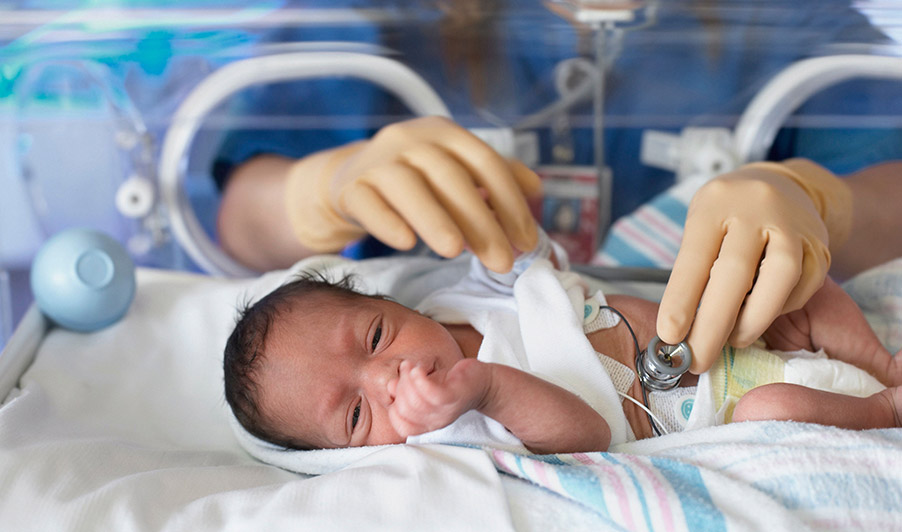
Babies begin using their vision from the moment they’re first born, but their eyesight starts out very limited and blurry. Newborns see nearby objects best and usually focus most clearly on faces that are within several inches of theirs.
During the first few months of life, babies slowly learn how to focus their eyes and track movement. Their brains are also learning to properly process visual information more efficiently as their neural pathways continue developing.
By around 3 to 5 months, most babies develop stronger eye coordination and improved depth perception. They begin recognizing familiar faces from further away and may start reaching out toward objects in front of them.
A baby’s vision continues improving throughout early childhood. Pediatricians often recommend screenings during regular wellness visits to ensure children are reaching expected visual developmental milestones for their age.
What Are Common Childhood Vision Impairments?
Children will develop their visual skills at different speeds as they grow up. But some children struggle to reach visual developmental milestones because they have impairments affecting their eyesight or visual processing abilities.
The following vision impairments can interfere with learning, coordination, communication, and other important developmental skills:
What Is Cortical Visual Impairment (CVI)?
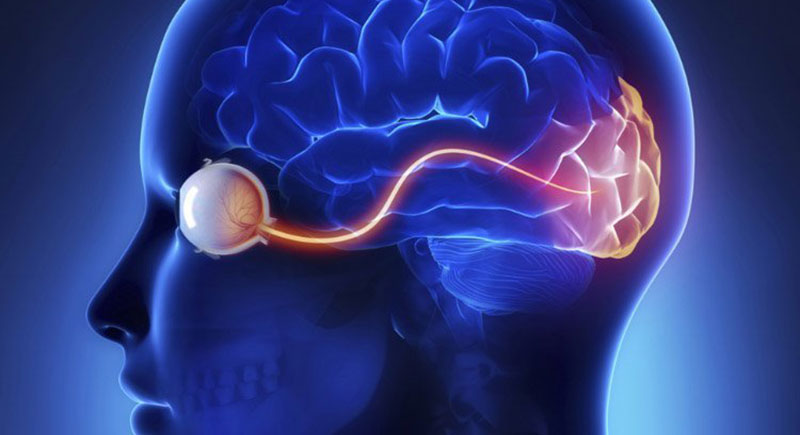
Cortical Visual Impairment (CVI) is a neurological vision disorder that stems from brain damage at birth.
It differs from other vision impairments in that the eyes themselves are intact and healthy. Instead, it is the brain’s occipital lobes and posterior visual pathways that are malfunctioning and unable to process visual information. This means that, while the child can technically see fine, their brain will struggle to interpret what it’s looking at.
Babies can develop CVI when they experience seizures or other abnormal brain activity around the time of birth. It can also happen when they suffer from brain injuries like hypoxic ischemic encephalopathy (HIE) or periventricular leukomalacia (PVL). These kinds of injuries are primarily the result of oxygen deprivation during birth.
Children with CVI will often struggle to recognize faces, locate objects, or track movement. It will also be easier for them to get overstimulated in crowded environments.
What Is Retinopathy of Prematurity?
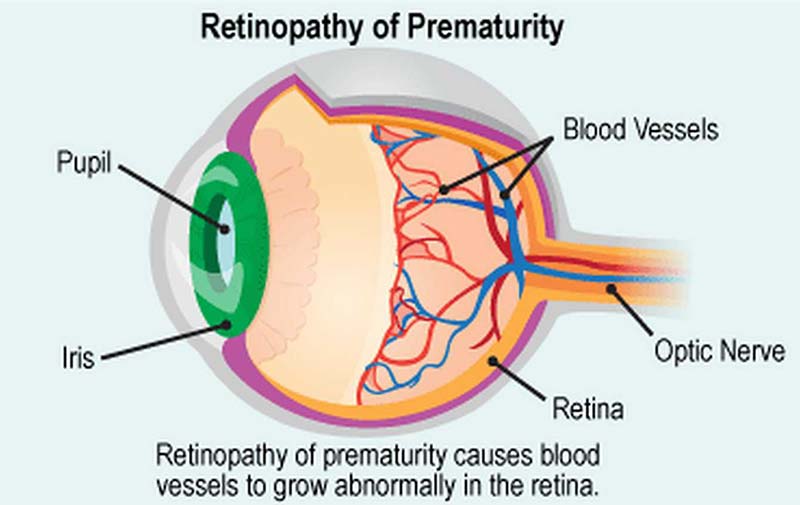
Retinopathy of prematurity is an eye disease that affects preterm babies with underdeveloped blood vessels in their retinas. Our retinas capture light, convert it into electrical signals, and send those signals to the brain for processing.
Babies with retinopathy of prematurity experience abnormal blood vessel growth that causes leaks, scarring, or displacement of the retina. In severe cases, this can lead to permanent vision loss or even total blindness. Babies born before 31 weeks gestation with low birth weights (<3 lbs.) carry the highest risk for developing this condition.
What Is Strabismus?
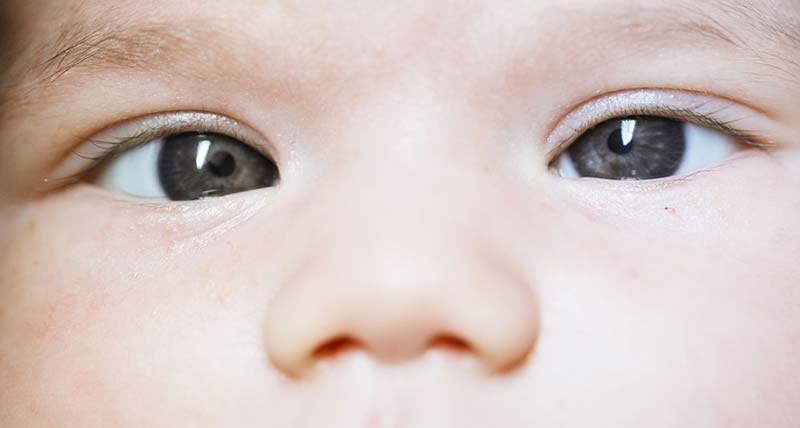
Strabismus is a visual impairment where the eyes do not align or move together properly. One of the baby’s eyes may move inward, outward, upward, or downward while the other eye focuses normally. The condition can stem from conditions causing poor neuromuscular control, such as cerebral palsy or other brain-related injuries.
Babies with strabismus will often have poor depth perception, double vision, or difficulty tracking objects. Risk factors like premature birth or family history of crossed eyes may contribute to a child’s chances of developing strabismus.
What Is Amblyopia?

Amblyopia (often called “lazy eye”) is a vision impairment where one eye develops weaker vision than the other. Over time, the baby’s brain starts favoring the stronger eye and begins ignoring signals coming from the weaker one.
Children with amblyopia may struggle with depth perception, reading, coordination, and hand-eye movements. Common causes include differences in vision strength between the eyes or structural problems that block normal vision development during childhood. Conditions like strabismus are often a precursor to amblyopia.
Other common but more minor vision impairments include refractive eye disorders. These normally occur because the shape of the child’s eye prevents enough light from reaching or focusing on the retina. This can cause in disorders like nearsightedness, farsightedness, and astigmatism.
While refractive eye disorders are not typically the result of medical malpractice, they can cause children to miss developmental milestones. If your child is showing signs of visual developmental delays, it’s important to recognize the signs early.
What Are Common Visual Developmental Milestones?
As children grow up, there are specific visual developmental milestones that parents can expect to see. Paying attention to your child’s growth can help you spot signs of vision impairments early on, ensuring timely intervention.
What Are Infant Visual Milestones?
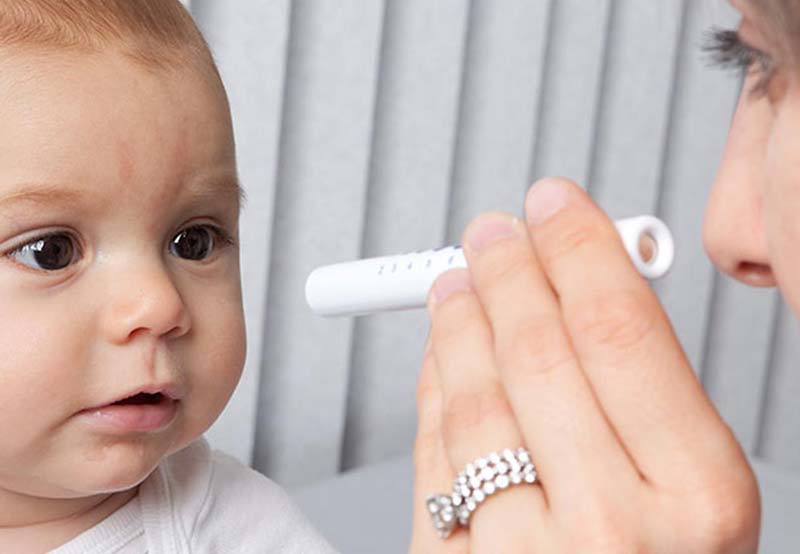
A baby’s vision develops the most rapidly within their first year of life. During infancy, babies learn to focus, track movements, recognize faces, and coordinate their eyes with different body movements.
The following checklists show the expected visual developmental milestones from birth through the baby’s first birthday:
What Are Toddler Visual Milestones?
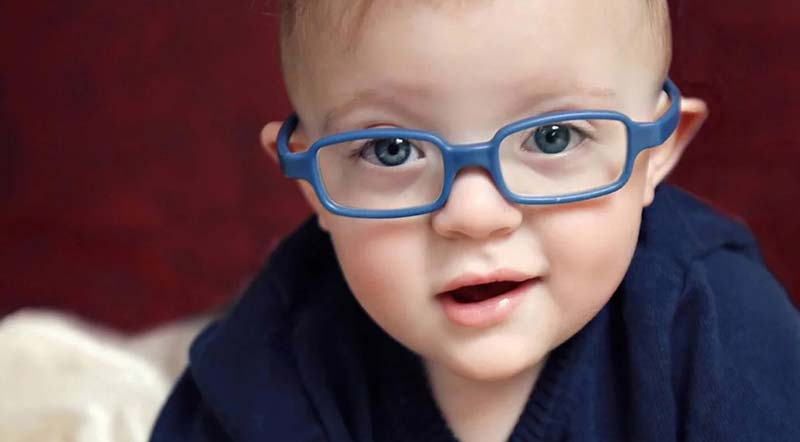
During their toddler years, children will rely heavily on vision to explore their surroundings and learn new skills. Strong visual development at this age will support their ability to walk, balance, play, communicate, and problem-solve.
The following checklists show the expected visual developmental milestones during the toddler years between ages 1 and 3:
What Are Early Childhood Visual Milestones?
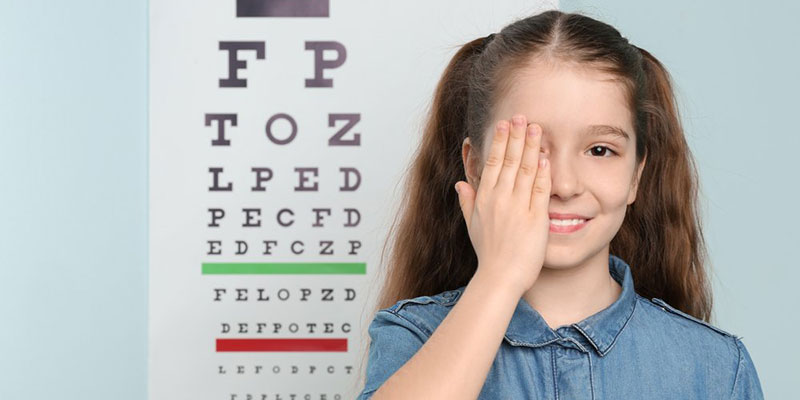
Children between ages 3 and 5 use vision for learning, social interaction, reading, and participating in physical activities. By this age, children who are on track will develop stronger hand-eye coordination and an improved sense of depth perception.
The following checklists show the expected visual developmental milestones during the early childhood years between ages 3 and 5:
What Birth Injuries Can Cause Vision Delays?
A child’s visual developmental delays can sometimes begin with injuries that occur during pregnancy, labor, or delivery. Damage to the eyes, optic nerves, or visual processing centers of the brain can interfere with how children see and interpret the world around them.
The following birth injuries and birth complications can contribute to childhood vision problems and developmental delays:
Oxygen Deprivation During Birth

Babies who experience oxygen deprivation during labor (birth asphyxia) can suffer brain damage within just minutes. Hypoxia within the brain can impact the occipital lobe, optic nerves, and other parts that are crucial to visual processing.
Brain injuries from oxygen deprivation (namely injuries like HIE and PVL) often lead to permanent vision problems like cortical vision impairment. This can delay important visual developmental milestones like facial recognition, coordination, and object tracking.
Birth Trauma

Physical trauma during delivery can directly damage a baby’s eyes, head, or brain. Difficult deliveries involving forceps and vacuum extractors or excessive pressure on the skull increase the risk of these birth injuries.
Traumatic birth injuries can directly impact the baby’s vision in multiple different ways. Birth-related head injuries can cause retinal hemorrhages, skull fractures, intracranial hemorrhages (brain bleeds), and more. These injuries can lead to issues with eye movement, depth perception, and hand-eye coordination, often causing visual developmental delays.
Neonatal Infections
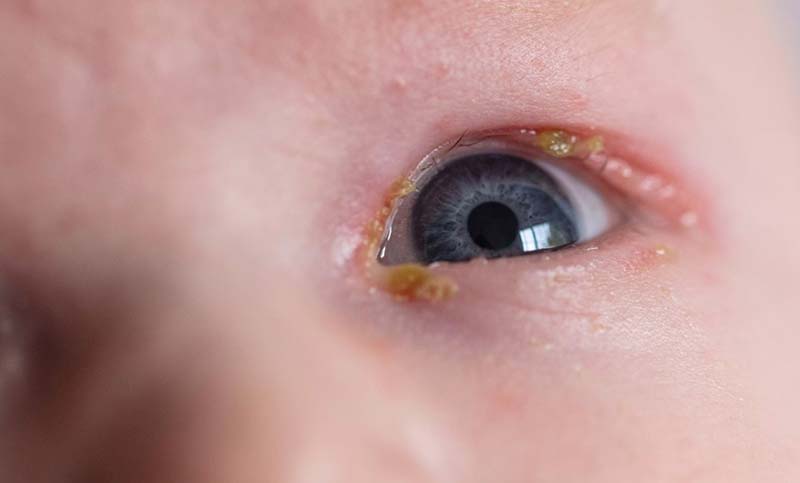
Uncaught or untreated neonatal infections can cause inflammation and damage sensitive structures within the baby’s eyes and brain. Certain maternal infections transferred in utero like meningitis, cytomegalovirus, herpes simplex virus, or toxoplasmosis can pose an especially considerable risk.
These kinds of infections can contribute to blindness, retinal damage, optic nerve injuries, and developmental vision disorders. Some infections can also increase the risk of seizures and brain injuries that disrupt visual processing abilities.
Kernicterus
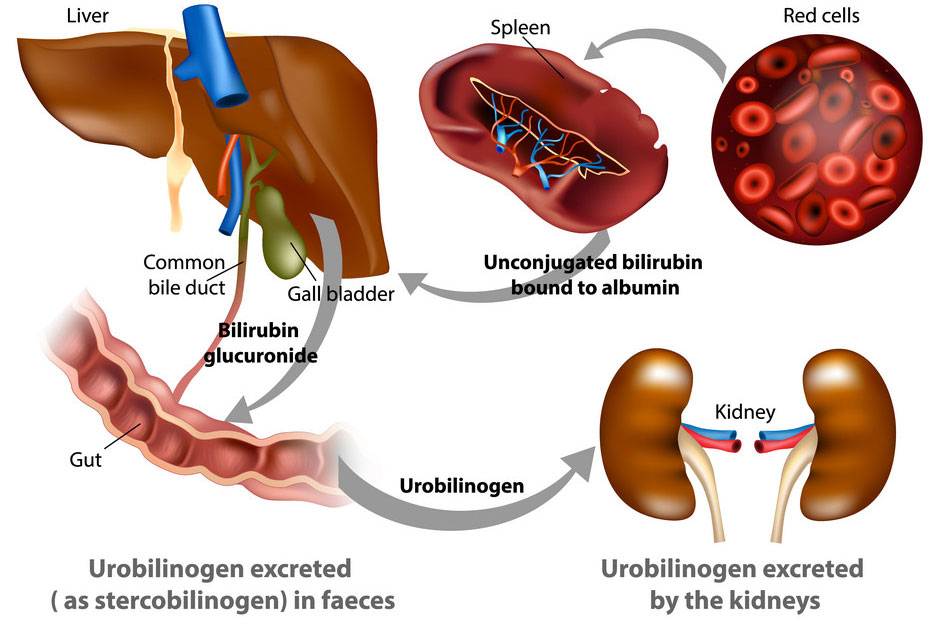
Kernicterus is a preventable type of brain damage that stems from untreated newborn jaundice. Excess bilirubin in the blood can become toxic when the baby’s liver fails to process it fast enough. If bilirubin crosses the blood-brain barrier, children can develop several extreme neurological complications.
Kernicterus brain injuries commonly impact a child’s hearing development and visual development, often causing severe developmental delays.
Premature Birth
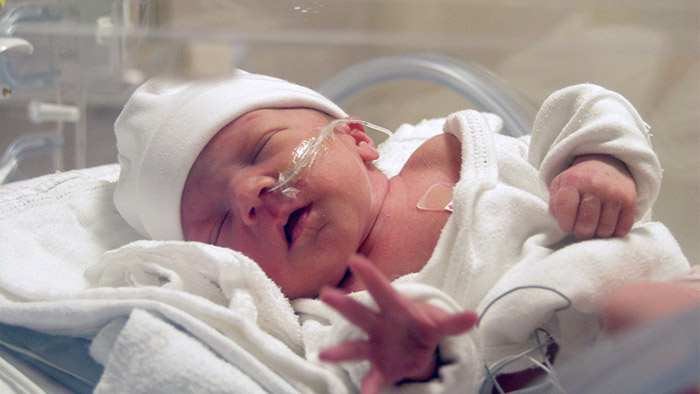
Premature babies have a higher risk for vision impairments because their eyes and brains don’t get enough time to fully develop. Much of visual and neurological development occurs in the final weeks leading up to delivery.
Premature birth specifically increases a baby’s risk for retinopathy of prematurity and cortical visual impairment (CVI). These kinds of impairments often delay important visual developmental milestones and cause lifelong vision complications.
How to Help Children with Vision Impairments?
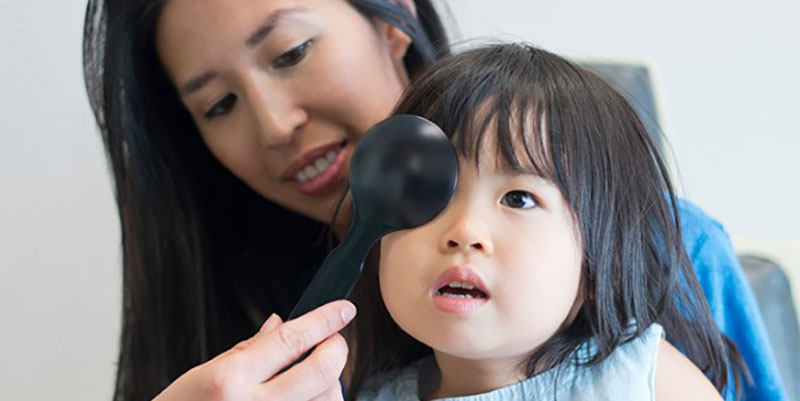
Children with vision impairments often benefit from early intervention and supportive therapies. Getting treatment early can strengthen visual skills, improve independence, and put children back on track for development.
The following treatments and therapies can help improve vision problems and help children better manage their symptoms:
Vision Therapy
Vision therapy uses structured activities and exercises to strengthen visual skills and eye coordination. The specialist may create exercises designed to practice tracking movement, depth perception, or other crucial visual skills.
Children with complications like amblyopia, strabismus, or visual tracking difficulties often benefit most from vision therapy. Early treatment (around age 5) can help children improve their reading readiness, coordination, and ability to complete tasks independently.
Sensory Integration Therapy
Children with visual impairments sometimes struggle with processing sensory information from their environment. Sensory integration therapy helps children improve how they respond to sights, sounds, movements, and other environmental sensations.
Therapists often employ play-based exercises for young children to build up their coordination, balance, and spatial awareness. Children with neurological vision problems like cortical visual impairment (CVI) may especially benefit from sensory integration therapy.
Glasses or Contact Lenses
Corrective lenses can help children with refractive vision impairments see more clearly or comfortably. Doctors may prescribe glasses or contact lenses for minor visual impairments like nearsightedness, farsightedness, or astigmatism. Children with amblyopia (lazy eye) may wear a temporary eye patch alongside corrective lenses to strengthen their weaker vision.
Assistive Technologies for Vision Impaired Children
For children with severe visual impairments, assistive equipment and devices can help them communicate and navigate their environment more safely.
Examples include magnifying devices, screen readers, audiobooks, mobility canes, and electronic learning aids and communication devices. Your child’s school may also provide accommodations to help them participate in classroom activities and social settings.
Recognizing a child’s visual developmental delays early can help get them the treatment they need sooner. Working with a specialist to correct or manage a child’s vision impairments can help them overcome problems with balance, coordination, communication, and social isolation.
Did Medical Malpractice Cause My Child’s Vision Delays?

Parents often blame themselves when their child falls behind on important developmental milestones. But in some cases, visual developmental delays begin with negligent medical errors during pregnancy, labor, or delivery.
Medical providers can put your baby’s eyesight and neurological development at risk when they fail to properly respond to birth complications. When negligent medical care causes preventable vision impairments, families may have the right to pursue compensation for their child’s future care needs.
Examples of Medical Mistakes That Lead to Vision Problems
A child’s vision impairments can sometimes be the result of negligent medical care during labor and delivery. Common examples of medical malpractice that can cause birth injuries that lead to developmental delays include:
- Missing the signs of abnormalities like retinal diseases or structural ocular defects during prenatal testing appointments
- Inflicting trauma at birth by misusing forceps and vacuum extractors, causing physical eye damage
- Failing to recognize signs of fetal oxygen deprivation during labor, resulting in a brain injury that causes vision problems
- Missing opportunities to delay premature birth, leading to a baby with retinopathy of prematurity due to underdeveloped blood vessels
- Failing to treat cases of newborn jaundice, leading to kernicterus brain damage that causes vision impairments
If your child is falling behind on visual developmental milestones because of medical errors at birth, our attorneys can help. Our specialized birth injury legal team will thoroughly investigate the facts and hold negligent healthcare professionals accountable.
What Is the Statute of Limitations in a Birth Injury Case?

A statute of limitations (SOL) is a law that sets a time limit on how long an injured person has to file a lawsuit after an accident. It is essential to understand that statutes of limitations vary based on the case and the state where you file. For instance, the deadline for birth injury claims is typically different from other claims, such as injury to private property.
Generally, the clock starts ticking on the date the injury occurred. However, there are exceptions to this rule. In some cases, the statute of limitations starts when a person discovers or reasonably should have discovered an injury. When dealing with government agencies, SOLs can become even more complex.
For example, special rules may apply if you are pursuing a claim against:
- A federal employee
- Someone employed by a military hospital, Veterans Administration facility, or a federally funded medical entity
In these cases, you may need to file a birth injury claim under the Federal Tort Claims Act (FTCA). In FTCA cases, claimants must go through certain administrative procedures before filing a lawsuit. In some states, you may have less time to give notice if:
- The negligent party was a local or state government hospital
- The doctors and medical providers are employees of a governmental entity
If you file your case outside of the statute of limitations, the court will typically dismiss it. This means you will not be eligible to recover compensation for you or your child’s injuries.
Determining when a statute of limitations begins on your case can be tricky. If you are considering pursuing compensation for a birth injury, contact an attorney as soon as possible.
How Can Our Birth Injury Attorneys Help?
There is no “one-size-fits-all” checklist to track your baby’s milestones; each child will grow and develop on their own timeline. But when you see red flags in your child’s behavior that could suggest vision impairments, it’s worth investigating further.
Miller Weisbrod Olesky's national birth injury lawyers can find and prove the link between your baby’s birth injuries and their visual developmental delays. We will fight on your family’s behalf to hold negligent healthcare providers accountable when they commit documented medical malpractice.
The compensation we recover for your family can help you to afford critical treatments and services like:
- Assistive equipment like visual aids, screen readers, and canes for mobility
- Sensory integration therapy
- Screenings with specialists who can provide individualized treatment plans
Our Process
Our team of specialized birth injury attorneys, in-house nurses, and paraprofessionals is here to help your family seek justice. We use a comprehensive medical case review process to assess claims and hold negligent parties responsible.
We’ll begin by learning more about your delivery by gathering records to determine what happened before, during and after. We will determine whether healthcare professionals properly responded to your labor and delivery complications like oxygen deprivation or premature birth.
We will consult with our network of medical experts who review your records and provide their professional opinion. If we feel medical negligence caused your baby’s developmental delays, then we will meet with you to discuss further. If you decide to hire us, we will waste no time filing your claim and building your baby’s case.
You will not have to pay upfront for services at any point in our legal intake process. The medical review of your case and the consultation are free. We will only charge a pre-agreed percentage outlined in the client-attorney retainer contract. We will never charge families unless we recover compensation for their child.
The sooner you reach out, the sooner we can investigate your case and gather evidence to support your claim. You can contact us today to schedule your free consultation by calling our toll-free line at (888) 987-0005. We are also reachable through filling out our online request form.
National Birth Injury Law
Our National Birth Injury Attorneys, nurses, and support staff understand that parents of children with birth injuries feel overwhelmed. So, every client has the attention and support of a team of trained, compassionate professionals. But we don’t just offer compassion.
We offer a process to help you discover whether your child’s birth injury, HIE, cerebral palsy or brain injury at birth was caused by medical malpractice.
Call our offices today at (888) 987-0005 for experienced assistance in a free consultation.
Quick Links
Testimonials
- Lyric C. I feel like our voice was heard in a sense of what can possibly go wrong in a delivery and finding us answers. I feel with our settlement, we are now in a comfortable position to provide for our son.
- Lyssa L. They are not just people that say “hey let's get you money and let's go” The law firm was very thorough with us. It was awesome. I don't want to cry, because I think about and it's amazing that they were able to help me and that we were able to help my son and get the story out there.
- Jay C. Throughout the process, one thing was clear to us, the ultimate interest of our child was the utmost concern of Max and his team and as parents navigating a situation like that, that was refreshing to know we had them firmly on our side. I highly recommend them.
Popular Cities
- ★ Dallas Birth Injury
- ★ Houston Birth Injury
- ★ Atlanta Birth Injury
- ★ Chicago Birth Injury
- ★ Philadelphia Birth Injury
Locations
★ Dallas
11551 Forest Central Drive, Ste. 300
Dallas, TX 75243
★ Houston
12929 Gulf Freeway, Ste. 111
Houston, TX 77034