Medical Malpractice
Birth Injury Medical Malpractice
Every year, the effects of medical errors forever change thousands of people’s lives. In some cases, the victims of these medical errors are babies who are just entering the world. Even seemingly small mistakes can permanently impact the rest of a newborn’s life.

Managing an expecting mother’s birth requires over 9 months of careful monitoring, prenatal testing, and planning for labor. When pregnancy complications arise, the mother looks to her primary healthcare providers for guidance. When she experiences labor and delivery complications, she puts both hers and her baby’s lives into these professionals’ hands.
But the reality is medical providers aren’t perfect. They make mistakes just like everyone. But families sometimes end up paying the price when a medical provider’s actions (or inactions) directly harm their child.
Brain injuries from oxygen deprivation or excessive force can cause permanent physical disabilities like cerebral palsy. Children with these injuries often face years of ongoing treatment, therapies, and rehabilitation. The cost of these treatments and doctor’s check-ups can place a heavy financial and emotional burden upon affected families.
But these families can recover compensation when they can prove their child’s injuries stemmed from preventable errors at birth.
Birth Injury Medical Malpractice lawyers hold medical providers accountable for injuring patients through medical malpractice lawsuits. The compensation people receive from such lawsuits can help children get additional care, make up for lost income, and more.
Birth Injury Malpractice Attorneys
Our birth injury lawyers help families seek justice and compensation for preventable injuries to mothers or their babies during childbirth. If you or your baby suffered preventable harm during pregnancy or during labor, don’t hesitate to contact our firm. We can answer difficult legal and medical questions and investigate the facts on your behalf.
Free Legal Consultation
Birth Injury Lawyers
(888) 987-0005Our Birth Injury Lawyers are available to meet you in your home or the hospital.
Our vast network of medical experts and in-house nursing staff and nurse-attorneys gives us the edge over our competition. When we take your case, we assign you with not just an attorney but an entire medical team. This team includes attorneys, experienced nursing advocates, and seasoned medical experts.
Your team is available to assist with any day-to-day treatment you or your child may need. This includes assistance with obtaining medical records, scheduling doctors’ appointments, providing transportation, and any other problems that may arise.
We offer all of this on a contingency fee basis. This means you will not pay any fees until after we win your case and secure a settlement. We have an unmatched track record of birth injury results that sets us apart from other birth injury law firms.

Recent Birth Injury Settlement:
Birth Injury settlement against a hospital in which nurses and physicians failed to properly monitor the mother's blood pressure during delivery causing an HIE event resulting in neonatal seizures and cerebral palsy at birth. Our team of top-rated birth injury lawyers recovered $13,750,000 for the family to help with future medical expenses and developmental therapy.
What is Medical Malpractice?

A healthcare provider commits medical malpractice when their actions to treat a patient fall below the accepted standard of care.
What is the “Standard of Care?”
The standard of care is a type of “benchmark” used to compare against a medical provider’s allegedly negligent actions. It refers to the degree of care that a reasonable, similarly-trained medical professional would have taken under the same circumstances.
Birth injury attorneys consult with medical experts to establish the standard of care for any given medical situation. They can then use that standard to prove when a medical professional’s actions fell short.
To successfully prove someone was a victim of medical malpractice, an attorney must prove the following:
- The medical provider (whether it’s a doctor, nurse, midwife, or otherwise) had a responsibility to care for the patient
- The medical provider breached that responsibility (a.k.a. standard of care) by taking negligent action or inaction
- The negligent action directly caused or worsened the patient’s injuries
- The patient’s injuries resulted in considerable damage (such as pain, suffering, or monetary loss)
In birth injury cases, a medical professional’s subpar treatment for the expecting mother can have unexpected consequences for her baby. This can include missing pregnancy complications, failing to test for issues during prenatal visits, or errors when administering medications.
What Are Common Medical Mistakes at Birth?

Doctors, nurses, hospitals and other healthcare providers sometimes stray from standard practices used in the medical field. They may fail to provide adequate care for patients in several ways, including:
Missing Birth Injury Risk Factors

Signs of birth injuries often appear long before labor starts. Even from the first trimester of pregnancy, medical professionals can typically spot signs of:
- Maternal health risks like obesity, gestational diabetes, or preeclampsia
- Fetal size risks like macrosomia (abnormally large baby) or cephalopelvic disproportion (when the baby’s head outsizes the mother’s pelvis)
- Abnormal fetal positions like breech position or shoulder position that can complicate vaginal delivery
- Placental complications like uteroplacental insufficiency or placenta previa (when the mother’s placenta rests over the cervical opening)
- Umbilical cord problems like a cord that’s too short or wrapped around the baby’s neck (nuchal cord)
- Maternal infections like group B strep or chorioamnionitis (infection of the amniotic fluid)
There are many other possible risk factors for birth injuries that medical professionals should thoroughly assess for and rule out. Missing these issues or improperly responding to them increases the risk for complications during labor and delivery.
Failing to Manage Premature Birth
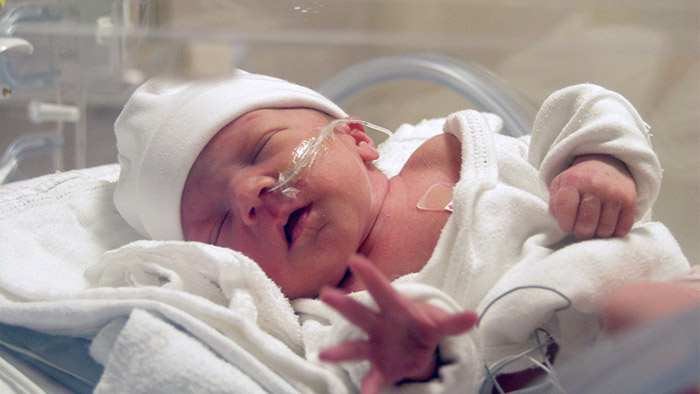
Premature birth is one of the largest risk factors for birth injuries. This is because a preterm newborn often has delicate and underdeveloped organ systems, exposing them to serious birth complications.
Babies born with underdeveloped brains carry a higher risk for cerebral palsy. Research studies suggest up to 15% of premature babies born between 24 and 27 weeks gestation may develop the condition.
Another critical concern with pre-term birth is the baby having underdeveloped lungs that lack sufficient materials to expand. This can result in complications at birth like respiratory distress syndrome (RDS) where the baby doesn’t receive enough oxygen.
While medical professionals cannot always stop premature birth, they can take precautions when they anticipate it may happen. Corticosteroid medications like betamethasone can help advance fetal lung development when given between 24 and 34 weeks of pregnancy. Additional medications like magnesium sulfate can offer enhanced fetal neuroprotection by stabilizing cerebral blood flow and reducing inflammation.
At the very least, healthcare providers should discuss these medications with the mother to weigh the potential risks and benefits. Failing to prescribe or even consider these medications can increase the baby’s risk for injuries like cerebral palsy and RDS.
Failing to Induce Labor

Approximately 8% of expecting mothers endure a labor lasting over 14 hours. Prolonged labor (or “failure to progress”) can reduce a baby’s oxygen supply for longer than they can manage. This can lead to oxygen deprivation and brain damage at birth resulting from fetal hypoxia or anoxia.
When a mother’s labor stops progressing completely (“arrested labor”), medical professionals should waste no time intervening. They may start with small measures, such as adjusting the mother’s position and administering more fluids and supplemental oxygen.
Additionally, labor inducing medications like Pitocin and Cytotec can aid in cervical softening and dilation as well as triggering uterine contractions.
When these intervention measures fail, doctors must make the call to deliver the baby via C-section. Restoring the newborn’s oxygen supply through immediate delivery is critical for preventing injuries related to fetal distress. When medical professionals fail to intervene, they only increase the mother’s and baby’s chances of injury at birth.
Improper Use of Labor Inducing Medications

Labor inducing medications like Pitocin and Cytotec can save a mother and her child from the dangers of prolonged labor. However, the misuse of these powerful medications can result in their own kinds of injuries.
Too high a dosage of Pitocin can cause labor contractions that occur too frequently (tachysystole) or are too forceful (hyperstimulation). These dangerous labor contractions increase the threat of uterine ruptures or severe oxygen deprivation for the baby.
Medical professionals must carefully monitor the mother’s contractions during labor, including their frequency, duration, and intensity. This is especially true whenever they opt to induce contractions with medications.
Healthcare providers commit medical malpractice when they administer too much of a labor inducing medication. Failing to lower the dosage also counts as medical malpractice when the mother or child sustains preventable injuries from it.
Failing to Monitor Fetal Heart Rates

Fetal heart rates during labor give medical providers a detailed picture of the baby’s oxygen levels and overall wellbeing. Low resting heart rates (bradycardia) or late decelerations after contractions can indicate the baby is in fetal distress.
A baby in fetal distress is likely suffering from oxygen deprivation and requires delivery as soon as possible. If medical professionals aren’t closely watching the fetal heart rate monitor, they may miss critical warning signs of birth asphyxia.
A baby who undergoes prolonged fetal distress may suffer brain injuries like hypoxic ischemic encephalopathy or cerebral palsy. These kinds of brain damage at birth can come with developmental delays and permanent physical handicaps.
Delaying an Emergency C-Section

A Cesarean section (C-section) procedure involves doctors delivering the baby through an incision in the mother’s abdomen. It is a common emergency delivery method when vaginal birth is either too unsafe or cannot happen quickly enough.
C-sections come with risks and long recovery times for the mother. However, the most error that causes birth injuries is delaying the procedure for too long.
Medical professionals must start a C-section within 30 minutes of making the call to perform one. In many cases, even 30 minutes can be too long of a waiting time. Babies in fetal distress cannot afford to withstand multiple minutes without oxygen.
Healthcare providers may be liable for medical malpractice if they needlessly delay a C-section procedure and prolong fetal oxygen deprivation.
Using Excessive Force During Delivery
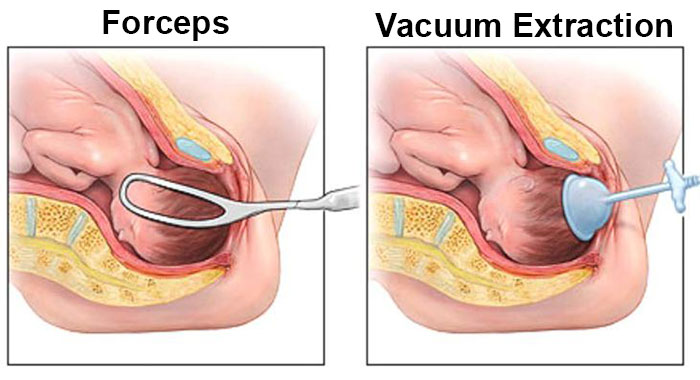
Doctors must sometimes apply pressure or traction to dislodge a baby from the mother’s birth canal. This can include pressing on the mother’s abdomen or using delivery tools like forceps and vacuum extractors.
Being too rough with these instruments can cause birth-related head injuries like skull fractures or cephalohematomas. If delivery by forceps or vacuum extraction isn’t working, medical professionals should switch tactics. It is often safer to deliver the baby by C-section rather than by assisted vaginal delivery in many situations.
Doctors must also be cautious to not exert excessive force in cases of shoulder dystocia. They must always use suprapubic pressure along with approved methods like the McRoberts maneuver. They should never apply fundal pressure (pressing on the top of the mother’s uterus).
In all cases, healthcare providers must carefully apply force when extracting a baby from the birth canal. Pushing or pulling too hard will increase both the mother’s and baby’s risks for experiencing birth trauma.
Failing to Treat Birth Complications
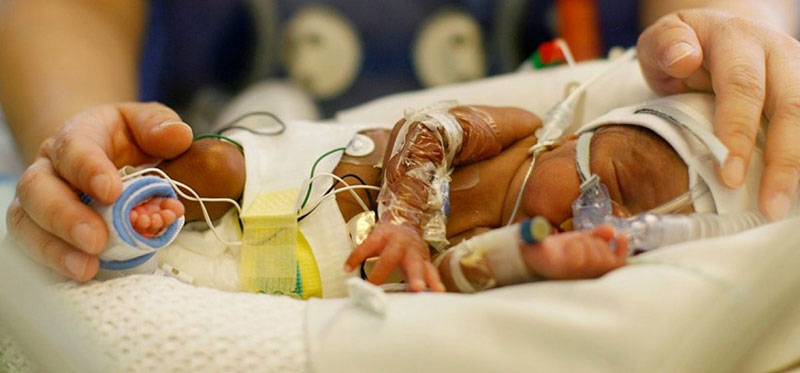
Proper medical care should not stop after the baby enters the world.
Many newborns need additional care in the neonatal intensive care unit (NICU) after birth. They may receive supplemental oxygen through ventilators or may even require neonatal resuscitation if they aren’t breathing upon birth.
If the baby shows signs of brain damage at birth, medical professionals should begin postnatal care as soon as possible. Treatment like therapeutic hypothermia (brain cooling) has shown success in reducing brain tissue inflammation and lessening brain injury symptoms.
Missing signs of complications at birth or failing to adequately treat them can cause long-term injuries and constitute medical malpractice.
There are countless mistakes a healthcare provider can make during pregnancy, during the birthing process, and beyond.
Families who suspect their doctors of committing errors during birth should waste no time in consulting legal advice. A specialized birth injury attorney can sometimes spot instances of medical negligence even before the victims can.
What Birth Injuries Can Stem from Medical Malpractice?

Birth injuries strike the most innocent of victims. Every newborn deserves the chance to live without the mental and physical limitations of a preventable injury at birth. But the unfortunate reality is that gross medical negligence can result in the following irreversible injuries:
Hypoxic Ischemic Encephalopathy (HIE)
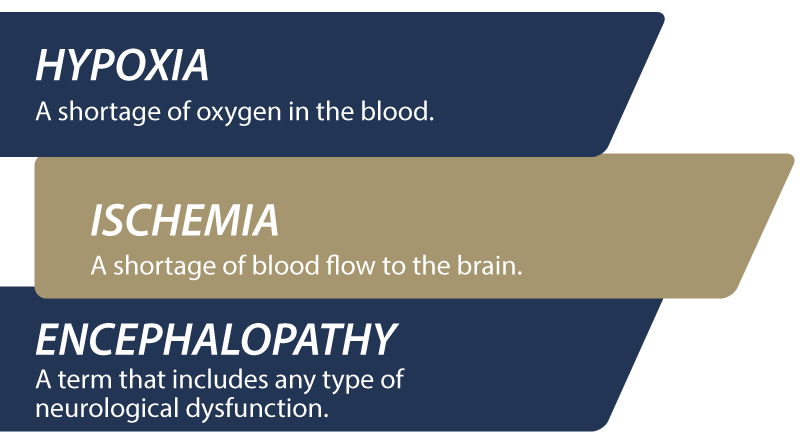
Hypoxic ischemic encephalopathy (HIE) is the most common neonatal brain injury. It stems from oxygen deprivation (hypoxia) and reduced blood flow to the brain (ischemia), causing critical structures to break down.
Babies with HIE often have low APGAR scores at birth, difficulty feeding, floppy muscle tone, and weak cries. They often have learning disabilities or other delayed developmental milestones during early childhood.
HIE is the leading cause of cerebral palsy in children.
Cerebral Palsy (CP)

Cerebral palsy (CP) is a group of conditions affecting a child’s muscle movement throughout their body. This can include conditions affecting movement in their arms, legs, torso, neck, face, and throat. It is the most common childhood motor disability in the United States.
The physical disabilities of cerebral palsy occur because the damaged or underdeveloped brain sends abnormal signals to the muscles. In some cases the brain fails to send signals altogether, resulting in paralysis like hemiplegia, Bell’s palsy, or other conditions.
Cerebral palsy symptoms can include seizures, paralysis, jerky and uncontrollable movements, speech impairments, vision impairments, and more. Children usually need years of physical therapy and occupational therapy to keep these symptoms at bay.
Spinal Cord Injuries

The spinal cord acts as the main hub for communication between the brain and the body. Injuries to ligaments or vertebrae that protect the spinal cord can result in multiple severe birth injuries.
The most severe spinal injuries affect the C1-C4 vertebrae, which can cause neck problems like cervical dystonia. Injuries to this region can even cause paralysis from the neck down (quadriplegia).
Other spinal cord injuries (depending on whether they’re complete or incomplete) can cause varying degrees of muscle weakness and paralysis.
Medical professionals can avoid spinal cord injuries by exercising extreme caution when applying pressure during delivery. Using too much force with delivery instruments like forceps or vacuum extractors is a common preventable cause for these injuries.
Infant Wrongful Death

In the worst cases, newborns may succumb to their injuries and pass away shortly after birth. In 2024, the CDC estimated approximately 3.6 cases of neonatal mortality out of every thousand births.
Medical professionals can do their best to avoid these outcomes by delivering swift and thorough postnatal care. Addressing birth complications immediately upon delivery gives the newborn their best chance at life.
A baby who suffers from brain injuries or spinal cord injuries at birth faces great obstacles later in childhood. Proper medical care can help children avoid these outcomes.
What Are Legal Damages of Birth Injury Medical Malpractice?

Damages Available in a Medical Malpractice Lawsuit
Injured parties can receive compensation for their damages through a successful birth injury medical malpractice claim. But what counts as “damage"?
Medical malpractice cases generally involve claims for three kinds of damages:
- Economic: This is tangible damage, including expenses like bills, invoices for medical care, prescriptions, therapy, and equipment. Many plaintiffs include loss of earnings or earnings capacity as another economic damage in their claim.
Birth Injury Malpractice Attorneys will work with highly qualified experts to create life care plans for the baby. These plans map out a baby’s projected medical and attendant care for the entire life expectancy. Plaintiffs can include these projections in their claims for recovering economic damages. - Non-economic: These are damages that aren’t as quantifiable as economic losses, such as pain and suffering. Common non-economic damage claims include emotional/mental anguish, loss of enjoyment of life, physical impairment, disability, disfigurement, and loss of companionship.
- Punitive: Punitive damages (or “exemplary damages”) are additional ‘punishment’ for extreme acts of gross negligence. They can be an effective way to deter or discourage defendants from engaging in the same type of conduct in the future. However, some states do not award these types of damages in birth injury cases.
Successful birth injury medical malpractice cases can provide the money injured patients need to recover or pay for their future needs.
Did Medical Malpractice Injure You or Your Baby?

People usually have questions when their child endures injuries at birth. They want to know exactly what happened to cause it: were these injuries preventable? Did someone’s negligence or errors cause their pain or the loss of a loved one?
Our top rated birth injury medical malpractice lawyers can help you find those answers.
We diligently investigate the facts and hold responsible parties accountable by pursuing medical malpractice claims against them. In birth injury cases, our young clients’ compensation helps them pay for:
- Current and future medical treatment
- Assistive equipment & devices
- Attendant care and equipment
- Physical therapy, occupational therapy, and speech therapy
- Important medical procedures like an osteotomy or hip muscle release surgery
- Other expenses associated with caring for a child with brain injuries, seizure disorders, and cerebral palsy
If a family believes medical negligence caused or worsened a child’s birth injuries, legal support may be an option. A birth injury malpractice attorney can review the medical records and circumstances to assess whether a claim exists.
Families who have experienced the effects of birth injuries from negligent medical care deserve to know whether they were avoidable. Our top rated birth injury lawyers will help you find those answers and obtain the necessary funds to secure treatment.
What is the Statute of Limitations in a Birth Injury Case?

A statute of limitations (SOL) is a law that sets a time limit on how long an injured person has to file a lawsuit after an accident.
It is essential to understand that statutes of limitations vary based on the case and the state where you file. For instance, the deadline for birth injury claims is typically different from other claims, such as injury to private property.
Generally, the clock starts ticking on the date the injury occurred. However, there are exceptions to this rule. In some cases, the statute of limitations starts when a person discovers or reasonably should have discovered an injury. When dealing with government agencies, SOLs can become even more complex.
For example, if the party that injured you was:
- A federal employee
- Employed by a military hospital, Veterans Administration facility, or a federally funded medical entity
You may need to file a birth injury claim under the Federal Tort Claims Act (FTCA). In FTCA cases, claimants must go through certain administrative procedures before filing a lawsuit. In some states, you may have less time to give notice if:
- The negligent party was a local or state government hospital
- The doctors and medical providers are employees of a governmental entity
If you file your case outside of the statute of limitations, the court will typically dismiss it. This means you will not be eligible to recover compensation for you or your child’s injuries.
Determining when a statute of limitations begins on your case can be tricky. Our birth injury medical malpractice lawyers can help inform you of all the important filing cutoff dates in your state. We will help your family seek justice and compensation for preventable injuries to you or your baby.
How Can Our Birth Injury Malpractice Attorneys Help?

Birth Injury Medical malpractice isn’t always straightforward; it can be difficult to understand who is responsible for a child’s pain and why. It takes an expert review of the facts of your birth to determine whether medical professionals made preventable errors.
Our Process
Our team of committed attorneys, nurses and paraprofessionals works to answer these questions and seek compensation. We use our detailed medical negligence case review process to assess your potential birth injury case.
We start by learning more about your circumstances by gathering records to determine what happened before and during your delivery. This includes evaluating prenatal testing procedures and any action (or inaction) medical professionals took during childbirth.
We call in skilled medical experts who will review your records and provide insight into where medical professionals went wrong. If we feel medical negligence caused your baby’s birth injuries, we contact you to discuss further. We will help your family seek justice and compensation for preventable injuries by proving medical negligence occurred.
At no point in our legal intake process will we ask you to pay anything. The medical review of your case and the consultation are free. We only receive payment once you do. The sooner you reach out, the sooner we can investigate your case and gather evidence to support your claim.
We work on a contingency fee basis, meaning you will not pay any legal fees until we win your case. We do not pursue any birth injury medical malpractice cases unless we fully believe we can win.
Contact us today to schedule your free consultation by calling our toll-free line at (888) 987-0005. You can also reach us by filling out our online request form.
National Birth Injury Law
Our National Birth Injury Attorneys, nurses, and support staff understand that parents of children with birth injuries feel overwhelmed. So, every client has the attention and support of a team of trained, compassionate professionals. But we don’t just offer compassion.
We offer a process to help you discover whether your child’s birth injury, HIE, cerebral palsy or brain injury at birth was caused by medical malpractice.
Call our offices today at (888) 987-0005 for experienced assistance in a free consultation.
Quick Links
Testimonials
- Lyric C. I feel like our voice was heard in a sense of what can possibly go wrong in a delivery and finding us answers. I feel with our settlement, we are now in a comfortable position to provide for our son.
- Lyssa L. They are not just people that say “hey let's get you money and let's go” The law firm was very thorough with us. It was awesome. I don't want to cry, because I think about and it's amazing that they were able to help me and that we were able to help my son and get the story out there.
- Jay C. Throughout the process, one thing was clear to us, the ultimate interest of our child was the utmost concern of Max and his team and as parents navigating a situation like that, that was refreshing to know we had them firmly on our side. I highly recommend them.
Popular Cities
- ★ Dallas Birth Injury
- ★ Houston Birth Injury
- ★ Atlanta Birth Injury
- ★ Chicago Birth Injury
- ★ Philadelphia Birth Injury
Locations
★ Dallas
11551 Forest Central Drive, Ste. 300
Dallas, TX 75243
★ Houston
12929 Gulf Freeway, Ste. 111
Houston, TX 77034