What is a Birth Injury?
What Is A Birth Injury?
A birth injury is any type of physical harm or trauma to a baby before, during, or immediately after childbirth. This can include:

- Brain injuries
- Nerve Damage
- Punctures, Lesions, or Scrapes
- Birth-related Head Injuries
- Bone Fractures During Birth
- Neonatal Infections
Some birth injuries are unavoidable, even with the highest quality of medical care. Other times, medical professionals make careless and preventable mistakes that increase your child’s risk of harm.
OB-GYNs, maternal fetal medicine specialists, nurses, midwives, and other healthcare providers have a duty to protect their patients from harm. When they breach this duty (known as the “standard of care”) and cause preventable birth injuries, it constitutes medical malpractice.
Common Birth Injury Questions
The most common questions parents and caregivers have about birth injuries.
Common birth injuries include physical trauma and nerve damage to the infant during labor and delivery.
- Brachial Plexus Injuries (Erb's Palsy): Damage to the network of nerves controlling the arm and shoulder, often linked to shoulder dystocia.
- Caput Succedaneum: Significant swelling of the soft tissues of a newborn's scalp caused by pressure during delivery.
- Cephalohematoma: Bleeding between the skull and the periosteum, appearing as a raised lump on the head.
- Fractures: Breakage of the collarbone (clavicle) or other bones during difficult deliveries.
- Facial Paralysis: Temporary or permanent weakness of facial muscles due to pressure on the facial nerve.
- Hypoxic-Ischemic Encephalopathy (HIE): Brain injury caused by a temporary lack of oxygen and blood flow to the brain.
Common Physical Birth Injuries
- Clavicle Fracture: A break in the collarbone, often happening when a baby is large, in a breech position, or experiences shoulder dystocia (when the shoulders get stuck during delivery). These usually heal quickly on their own.
- Soft-tissue injuries: Bruising, swelling (), or scrapes from passing through the birth canal or from tools like forceps and vacuum extractors.
- Cephalohematoma: Bleeding between the baby's skull and the outer covering, which creates a soft lump on the head.
- Brachial plexus injury (Erb’s palsy): Damage to the network of nerves running from the neck down to the arm, affecting about 1 to 2 per 1,000 babies and causing arm weakness or temporary paralysis.
Symptoms of birth trauma include both emotional and physical signs that affect a person after childbirth.
Physical Symptoms
- Chronic Pain: Ongoing discomfort in the pelvic, perineum, or genital areas.
- Body Tension: Lingering muscle tension, headaches, or backaches.
- Physical Reactivity: Sweating, shaking, or rapid heartbeat when reminded of the birth.
A birth injury is any physical harm or damage sustained by an infant before, during, or immediately after the birthing process.
Types of Birth Injuries
- Soft Tissue and Scalp Damage: Swelling (caput succedaneum) or pooling of blood (cephalohematoma) under the scalp.
- Bone Fractures: Breaks in the collarbone (clavicle) or long bones like the arm or leg.
- Nerve Damage: Brachial plexus injuries (such as Erb's palsy) affecting arm movement.
- Brain Injuries: Intracranial hemorrhages or oxygen-deprivation conditions like hypoxic-ischemic encephalopathy (HIE).
Common Causes
- Difficult Labor: Prolonged delivery, breech presentations, or an unusually large baby.
- Physical Forces: The natural pressure of uterine contractions or the birth canal.
- Delivery Tools: The use of assistive devices like forceps or vacuum extractors.
- Medical Negligence: Delayed interventions or failure to monitor fetal distress properly.
Medical Malpractice Can Have Lifelong Consequences
The effects of a baby’s birth injury can follow them into childhood and significantly alter their life trajectory.
One of the most severe birth injuries is a brain injury called hypoxic ischemic encephalopathy (HIE). HIE is a form of brain damage at birth that commonly comes with a cerebral palsy diagnosis later in childhood. The injury occurs either during pregnancy or during labor by cutting off or severely restricting the baby’s oxygen supply.
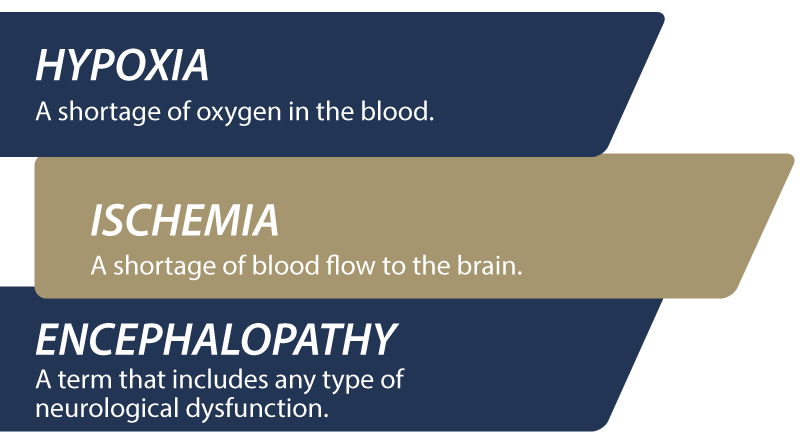
Other forms of brain damage can have long-term effects similar to HIE. Examples include periventricular leukomalacia (PVL), intracranial hemorrhages (ICH), transient ischemic attacks and neonatal strokes. A newborn who suffers from any of these injuries may experience developmental delays, seizures, vision impairments, and various physical limitations. These injuries are also linked to being one of the causes of cerebral palsy.
These types of birth injuries are often preventable when the medical team follows proper procedures during pregnancy and during delivery.
Advances in prenatal testing and labor and delivery techniques have allowed healthcare providers to better prepare for birth injuries. Medical professionals have a legal duty to anticipate, identify, treat, and prevent all complications and injuries they possibly can.
Birth Injury Malpractice Attorneys
When a medical provider’s negligence causes injury to their baby, parents have a right to raise a medical malpractice claim. Our firm can help parents do this and collect financial damages on their baby’s behalf from all responsible parties.
Our top-rated birth injury attorneys specialize in identifying how small medical mistakes lead to large negative neonatal outcomes. If your child is currently suffering from the effects of a preventable injury at birth, don’t hesitate to contact us. We can answer difficult legal and medical questions and investigate the facts on your behalf.
Free Legal Consultation
Birth Injury Lawyers
(888) 987-0005Our Birth Injury Lawyers are available to meet you in your home or the hospital.
Our vast network of medical experts and in-house nursing staff and nurse-attorneys gives us the edge over our competition. When we take your case, we assign you with an entire medical team. This team not only consists of attorneys but also nursing advocates and medical experts.
Your team is available to assist with any day-to-day treatment you or your child may need. This includes assistance with medical records, scheduling doctors’ appointments, providing transportation, and any other problems that may arise.
We offer all of this on a contingency fee basis. This means you will not pay any fees until after we win your case and secure a settlement. Our unmatched track record of birth injury results sets us apart from other birth injury law firms.

Recent Birth Injury Settlement:
Birth Injury settlement against a hospital in which nurses and physicians failed to properly monitor the mother's blood pressure during delivery causing an HIE event resulting in neonatal seizures and cerebral palsy at birth. Our team of top-rated birth injury lawyers recovered $13,750,000 for the family to help with future medical expenses and developmental therapy.
What Causes A Birth Injury?
A combination of factors can culminate into a baby’s injury at birth. Some complications are preventable while others are not. However, healthcare providers must always be proactive and do everything possible to avoid preventable injuries and adverse outcomes.
The most common types of birth injury negligence during pregnancy, labor, and delivery that cause these preventable injuries include:
Missed Pregnancy Complications

A mother’s pregnancy complications can jeopardize her safe labor and delivery when medical professionals fail to intervene. Common complications include gestational diabetes, preeclampsia, maternal infections like Group B Strep, or problems with the placenta or umbilical cord.
A medical professional’s failure to diagnose, treat or control any of these complications can lead to birth injuries during delivery. Failing to properly perform prenatal tests, including periodic ultrasound exams, blood work, and other testing can constitute medical malpractice.
Improper Fetal Heart Rate Monitoring

The first signs of a baby’s hypoxia, ischemia, or birth asphyxia during delivery will likely appear in their heart rate. Fetal heart rate monitoring strips are vital tools during labor to monitor the baby’s oxygen supply.
Late decelerations, absent variability, or incredibly high or low resting heart rates can all be signs of fetal distress. Medical professionals should use fetal heart rates as an indicator of whether to speed up delivery. This may include using delivery instruments like forceps and vacuum extractors or performing a C-section delivery.
Intervening is essential when babies present non-reassuring fetal heart rate status. Prolonged oxygen deprivation can result in brain damage at birth, which can often come with lifelong effects. Neglecting fetal heart rate strips, misinterpreting them, or waiting too long to intervene can all constitute medical malpractice.
About Fetal Heart Rate Monitoring
Delayed Emergency C-Sections

It sometimes becomes necessary for doctors to perform an emergency C-section to deliver the mother’s baby.
Doctors typically perform emergency C-sections in cases where labor and delivery complications severely compromise the baby’s oxygen supply. Such emergencies can include uterine ruptures, placental abruptions, umbilical cord prolapse, uterine hyperstimulation, or other causes of fetal distress.
Delaying an emergency C-section can prolong the baby’s oxygen deprivation and expose them to birth injuries like hypoxic ischemic encephalopathy. Medical professionals must respond quickly to any emergency during delivery for the safety of both the mother and her baby.
Inadequate Birth Injury Treatment
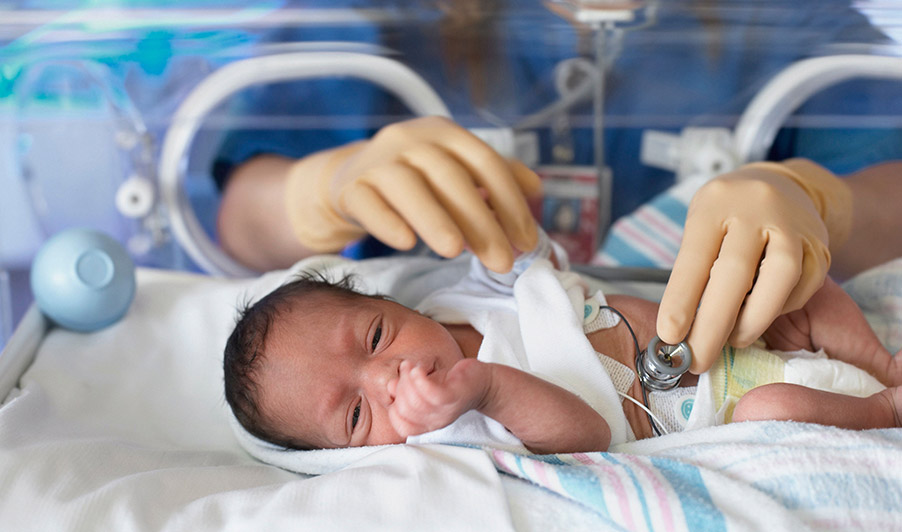
A medical professional’s actions after the baby’s delivery can be just as crucial as the choices they make during labor. When a baby presents with birth complications or signs of a birth injury, it is important they receive timely treatment.
Babies who have suffered from brain injuries may need therapeutic hypothermia treatment to reduce inflammation and long term effects. Babies with a premature birth may require neonatal resuscitation at birth or additional medications in the neonatal intensive care unit.
It is the healthcare professional’s responsibility to assess the baby’s critical needs upon birth. Failing to administer the necessary birth injury treatment can worsen their injuries or even increase the risk of infant death.
Other causes of birth injuries can include:
- The improper usage of labor-inducing medications.
- Failing to intervene in a prolonged labor.
- Using excessive force during delivery.
Doctors must be aware of these common mistakes during a mother’s pregnancy and delivery so they can avoid making them. Any of these actions can directly or indirectly cause a baby’s birth injury and impact the rest of their life.
What Are The Risk Factors of a Birth Injury?
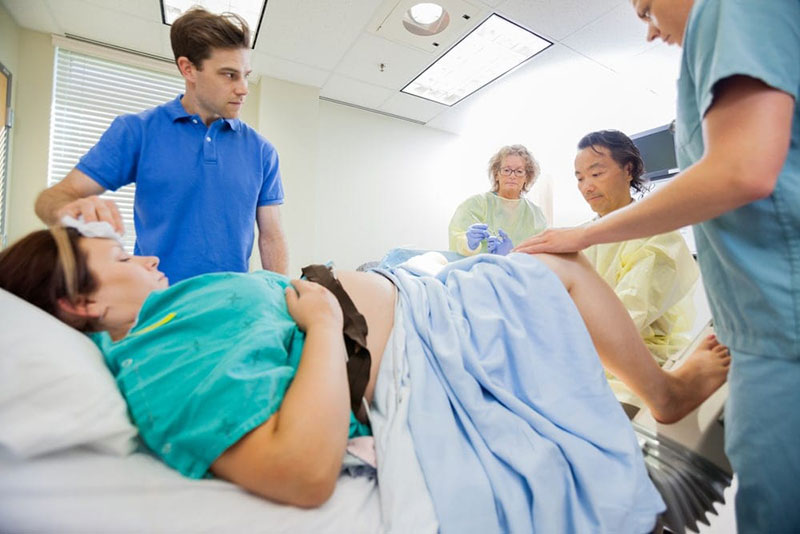
A birth injury risk factor includes any issue that can put stress on the baby and complicate its delivery. Common birth injury risk factors include:
- Prematurity: Premature birth can increase a baby’s risk for an underdeveloped brain, lungs, heart, and/or body.
- Fetal Size Abnormalities: Size complications like fetal macrosomia or cephalopelvic disproportion can complicate a mother’s delivery.
- Abnormal Fetal Positioning: A baby in breech position or shoulder position can prolong labor and increase the risk of an emergency C-section.
- Placental Complications: Issues like placental insufficiency or a placental abruption during delivery can increase a child’s risk for harm.
- Umbilical Cord Problems: Complications like nuchal cord, umbilical cord compression or prolapse can cause adverse neonatal outcomes.
- Labor and Delivery Complications: Unplanned emergencies during childbirth like uterine ruptures or shoulder dystocia can increase the baby's risk for injuries.
When medical professionals fail to properly address any known risk factors, they increase the baby’s likelihood of injury. When they know of these risks and mismanage them, it can constitute medical malpractice.
What Are The Most Common Birth Injuries?

Birth injuries can occur before, during, or after delivery. The most common serious injuries a baby can sustain from medical negligence include:
- Hypoxic-Ischemic Encephalopathy: Brain damage that occurs when the infant's brain doesn't get enough oxygen and blood flow during delivery.
- Cerebral Palsy: A group of conditions that affect muscle tone and movement, and can lead to speech and developmental delays
- Bone Fractures: Fractures can occur in the collarbone, upper arm, or upper leg.
- Nerve Injuries: When critical nerves in the body such as the brachial plexus stretch or sustain damage during delivery.
- Skin and Soft Tissue Injuries: Swelling, bruising, or bleeding can occur on the head or under the cranial bones.
- Bleeding Injuries: Bleeding can occur in and around the brain or in the eyes, such as with an intracranial hemorrhage.
What Are Common Symptoms of a Birth Injury?

Symptoms of birth injuries can range from subtle to obvious. They can include:
- Arched back while crying
- Difficulty eating, swallowing, or suckling
- Excessive drooling
- Hand curled into a claw-like shape
- High-pitched crying
- Low heart rate or oxygen levels
- Loose or stiff muscles
- Sensitivity to light
- Weak reflexes
Medical professionals should take careful note if the child displays any of these symptoms. When the baby is born, they may note abnormalities when assigning their APGAR score. Failing to note any common symptoms of birth injuries can prevent the baby from getting the critical help they need.
How To Diagnose a Birth Injury?

Doctors may diagnose birth injuries at the time of birth or shortly after, depending on the type of injury. Medical providers should identify symptoms and confirm a diagnosis using the latest diagnostic techniques, including neuroimaging technology.
Examples of neuroimaging scans that professionals may use include magnetic resonance imaging (MRIs), computed tomography (CT) scans, or ultrasounds. They may also perform blood tests to diagnose certain neonatal infections or complications like jaundice.
In high-risk pregnancies, continuous fetal heart rate monitoring during pregnancy and labor can alert the medical team to any issues. They can use this as cause to perform an emergency C-section or other preventative and protection measures.
Was Your Child’s Birth Injury Caused By Medical Malpractice?

Parents whose children suffer birth injuries want and deserve answers as to whether mistakes by the doctors and nurses contributed to the injury. Our top rated birth injury attorneys have represented families all over the United States in their time of need after a birth injury.
We use our skills and expertise to obtain for you and your child a medical malpractice settlement that will help provide specialized medical therapy in order to maximize the quality of life and independence of your child throughout their life.
- Were there signs of birth injury or birth complications during the pregnancy, labor, and delivery process, or presence of risk factors, which were either not recognized or properly treated?
- During the labor and delivery, were there clear indications that the baby was suffering from fetal distress, but appropriate actions were not taken by the maternal fetal specialists, obstetrician or nurses?
- Was there a delay in diagnosis of a likely premature birth that led to later complications, including brain injury?
- Did the medical team fail to order a series of tests to diagnose this birth complication in a timely manner?
- Was the decision to perform a cesarean delivery delayed leading to birth trauma during vaginal delivery or labor?
- Did the neonatal resuscitation team fail to quickly begin important breathing support?
- Should brain cooling (also called “hypothermia therapy”) have been provided to your baby, but the doctors and nurses failed to perform the appropriate tests or ignored the results of the tests?
Our birth injury attorneys have recovered millions of dollars in settlements for families of children that have suffered a birth injury. At no point in our legal intake process will we ask you to pay anything. The medical review of your case and the consultation are free. We only receive payment when you do, no matter how long or tough your case is.
What is the Statute of Limitations in a Birth Injury Lawsuit?

A statute of limitations (SOL) is a law that sets a time limit on how long an injured person has to file a lawsuit after an accident. It is essential to understand that statutes of limitations vary based on the case and the state where you file. For instance, the deadline for birth injury claims is typically different from other claims, such as injury to private property.
Generally, the clock starts ticking on the date the injury occurred. However, there are exceptions to this rule. In some cases, the statute of limitations starts when a person discovers or reasonably should have discovered an injury. When dealing with government agencies, SOLs can become even more complex.
For example, if the party that injured you was:
- A federal employee
- Employed by a military hospital, Veterans Administration facility, or a federally funded medical entity
You may need to file a birth injury claim under the Federal Tort Claims Act (FTCA). In FTCA cases, claimants must go through certain administrative procedures before filing a lawsuit. In some states, you may have less time to give notice if:
- The negligent party was a local or state government hospital.
- The doctors and medical providers are employees of a governmental entity.
If you file your case outside of the statute of limitations, the court will typically dismiss it. This means you will not be eligible to recover compensation for you or your child’s injuries. Determining when a statute of limitations begins on your case can be tricky. If you are considering pursuing compensation for a birth injury, contact an attorney as soon as possible.
How Can Our Birth Injury Attorneys Help?

Birth injuries are not always preventable, but medical errors are. It takes an expert review of the facts of your birth to determine whether medical professionals mismanaged your child’s delivery.
Our team of committed birth injury attorneys, nurses and paraprofessionals works to answer these questions and seek compensation. We use our detailed medical negligence case review process to assess your potential birth injury case.
We start by learning more about your child by gathering records to determine what happened during and after your delivery. This includes a detailed review of the treatment doctors provided or failed to provide after labor. We also take into account your child’s status of meeting or missing developmental milestones.
We will call in skilled medical experts who review your records and provide insight into where medical professionals went wrong. If we feel medical negligence caused or worsened your child’s injuries, we meet with you to discuss further.
At no point in our legal intake process will we ask you to pay anything. The medical review of your case and the consultation are free. We only receive payment once you do. The sooner you reach out, the sooner we can investigate your case and gather the evidence to support your claim.
We work on a contingency fee basis, meaning you will not pay any legal fees until we win your case. We do not purse any medical malpractice cases unless we fully believe we can win. Contact us today to schedule your free consultation by calling our toll-free line at (888) 987-0005. You can also reach us by filling out our online request form.

National Birth Injury Law
Our National Birth Injury Attorneys, nurses, and support staff understand that parents of children with birth injuries feel overwhelmed. So, every client has the attention and support of a team of trained, compassionate professionals. But we don’t just offer compassion.
We offer a process to help you discover whether your child’s birth injury, HIE, cerebral palsy or brain injury at birth was caused by medical malpractice.
Call our offices today at (888) 987-0005 for experienced assistance in a free consultation.
Quick Links
Testimonials
- Lyric C. I feel like our voice was heard in a sense of what can possibly go wrong in a delivery and finding us answers. I feel with our settlement, we are now in a comfortable position to provide for our son.
- Lyssa L. They are not just people that say “hey let's get you money and let's go” The law firm was very thorough with us. It was awesome. I don't want to cry, because I think about and it's amazing that they were able to help me and that we were able to help my son and get the story out there.
- Jay C. Throughout the process, one thing was clear to us, the ultimate interest of our child was the utmost concern of Max and his team and as parents navigating a situation like that, that was refreshing to know we had them firmly on our side. I highly recommend them.
Popular Cities
- ★ Dallas Birth Injury
- ★ Houston Birth Injury
- ★ Atlanta Birth Injury
- ★ Chicago Birth Injury
- ★ Philadelphia Birth Injury
Locations
★ Dallas
11551 Forest Central Drive, Ste. 300
Dallas, TX 75243
★ Houston
12929 Gulf Freeway, Ste. 111
Houston, TX 77034