Newborn Cephalohematoma
What is a Cephalohematoma?
Cephalohematoma is a birth complication involving build-up of blood from broken or damaged vessels (hemorrhage) that may occur between the baby’s skull and outer layer of skin during the birth process.
During labor, especially during a delivery involving an assisted vaginal delivery with forceps or a vacuum extractor, the pressure applied to the baby’s head can rupture tiny blood vessels when the skull is compressed against the maternal pelvis.

In newborn cephalohematoma, bleeding occurs gradually. As a result, the symptoms of this birth complication may not manifest immediately at birth. It can take hours or days after birth for a cephalohematoma to develop. Up to 2.5% of all babies are likely to develop this birth injury.
Common causes of medical malpractice in the birth process involving cephalohematoma arise from when obstetricians or nurses fail to take steps during the labor and delivery that lead to birth trauma, including improper use of forceps or vacuum extractors or even failure to react to prolonged or arrested labor.
The most common medical negligence cases from cephalohematoma after birth include failing to monitor the cephalohematoma, infections, complications from jaundice caused by the birth complication or failure to recognize and treat an underlying skull fracture.
Diagnosing Cephalohematoma
Medical providers like obstetricians, neonatologists, and nurses (like labor and delivery and neonatal ICU nurses) should obtain a comprehensive review of the mother’s history of labor and birth to predict the baby’s risk of developing a cephalohematoma.
The birth trauma injury can take hours or days to develop. When a cephalohematoma is suspected, the medical team should perform repeated physical inspection and palpation (feeling the affected surface with fingers or hands) of the baby’s head in order make a diagnosis.
The medical team should properly document the cephalohematoma appearance (changes in size) as part of their ongoing assessment. The clearest sign of cephalohematoma is an enlarged or raised unilateral or bilateral bulge on the baby’s head beneath the scalp.
Transillumination (a bright light test to see the abnormal structure under the skin) will not identify the raised area. Additionally, the overlying skin may not show any signs of injury or discoloration.
Transillumination:
A transillumination test is used by doctors to identify abnormalities in a body cavity or organ. The doctor will dim the lights and use a bright light directed towards a specific body part to see what’s underneath the skin.

The most common site of cephalohematoma is the parietal bone area (bone forming a part of the top and side of the head.) With that said, this condition can develop over any of the cranial bones. No specific diagnostic tests are available, but medical providers can confirm a diagnosis based on the characteristic bulge appearing on the baby’s head.
In some cases, additional diagnostic tests, such as x-rays, ultrasound, and CT scans may be ordered to evaluate for potential skull fractures or any other complications underneath the skull, which could affect the baby’s brain.
If the baby shows any signs of neurological, cardiovascular or respiratory problems, the medical team should perform additional tests.
Causes of Cephalohematomas in Newborns
Cephalohematomas can occur naturally from difficult, prolonged and arrested labor. If the birth canal is too tight and narrow, excess pressure on the infant’s skull can rupture scalp blood vessels.
In other cases, delivering larger infants can increase pressure on the scalp. Additionally, some infants may experience trauma from hitting against their mother’s pelvic bone during delivery.
Birth injury medical negligence may cause newborn cephalohematoma. Assisted labor that requires vacuum extraction or forceps increases the odds of cephalohematoma, with about 1 in 10 babies facing this risk.
The mismanagement of difficult, prolonged labor, using excessive force with assisted labor tools, delaying an emergency C-section, and failing to monitor fetal heart rate can also cause a cephalohematoma.
Risk Factors of Cephalohematoma
Factors that may contribute to the increased pressure on the baby’s head during the birth process, which leads to a traumatic impact resulting in newborn cephalohematoma include:
- Instrument-assisted vaginal delivery with vacuum extractor or forceps
- Prolonged & Arrested Labor
- Macrosomia – abnormally large babies
- Abnormal fetal presentation
- Weak uterine contractions
- Multiple gestation (pregnancy with twins, triplets, or more)
Any of the above birth complications can lead to increased pressure that can cause birth trauma and bleeding that leads to a cephalohematoma.
Risk of Complications with Cephalohematoma
Cephalohematoma complications may include the following:
- Anemia: Blood from the baby’s circulatory system may be depleted, especially if the cephalohematoma is large. This can cause anemia (low count of red blood cells) in the baby.
- Calcifications: When cephalohematoma persists for over five weeks, calcifications or hardened bone deposits may form around the raised mass. This occurrence may affect the shape of the developing skull.
- Infections: Babies with cephalohematoma are more susceptible to certain infections. In rare cases, life threatening infections, such as sepsis, cellulitis, or osteomyelitis (bone infection) may occur.
- Jaundice: Cephalohematoma increases the blood absorption in the baby’s body, which can lead to increased levels of bilirubin in the bloodstream, causing newborn jaundice.
- Skull Fractures: Nearly 25 percent of all babies with cephalohematoma suffer from a linear skull fracture.
It’s critical for doctors and nurses to determine if a baby that shows signs of a cephalohematoma also has a skull fracture. Skull fractures can require emergency care and treatment to avoid brain swelling and potential brain damage.
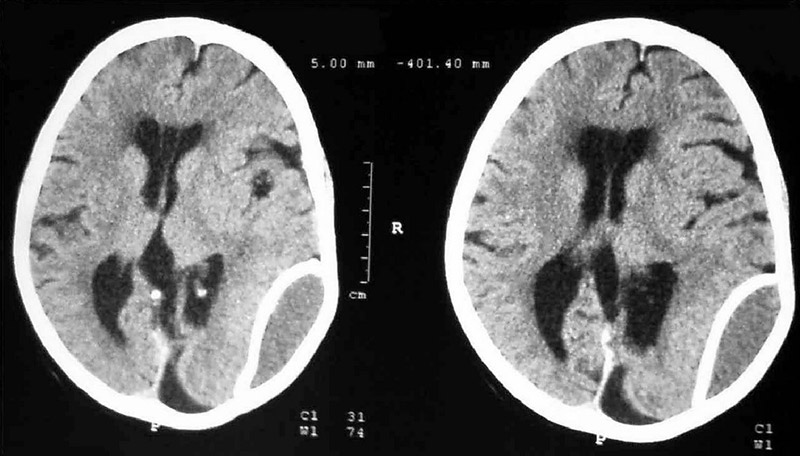
Treating Newborn Cephalohematoma
- Rule out Coagulopathy
- Vigilant Observation
★ Jaundice
★ Anemia
★ Neurological Symptoms
★ Vital Signs - NEVER evacuate hematoma: High Risk of Infection
★ Abscess
★ Meningitis
★ Osteomyelitis - Phototherapy if Jaundiced
- Skull X-ray or CT to rule out fractures
★ Order if neurological findings present on exam - May take a couple of months to resolve
Patient education:
★ Course
★ Importance of Observation
★ Anticipatory Guidance on Signs of Infection
★ Jaundice
★ Hemorrhage
Newborn cephalohematoma usually resolves without requiring any significant medical intervention. But in any case, close monitoring of all babies with cephalohematoma is necessary.
In some instances, the medical provider may try to aspirate/drain the blood from the injury site, but this treatment approach is generally not recommended because it increases the risk of abscesses and infections.
Drainage along with antibiotic treatment may be necessary if an abscess or infection has occurred in the affected area.
Management of infection in babies with cephalohematoma is critically important because there is a risk of the brain becoming infected (meningitis), which is a medical emergency birth complication.
If a baby with cephalohematoma develops anemia, a blood transfusion may be required.
Similarly, newborn jaundice in these babies should be promptly diagnosed and treated in order to avoid the risk of kernicterus (brain damage), which can lead to cerebral palsy or other permanent disabilities.
Things To Know About Newborn Cephalohematoma
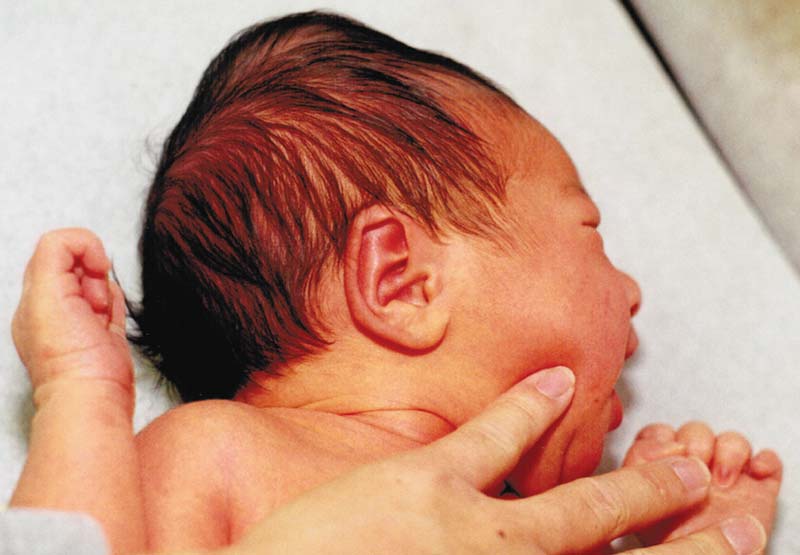
What is the prognosis for cephalohematoma?
Most infants who suffer from a cephalohematoma do not experience long-lasting problems and have a good prognosis. It may take up to three months for the hematoma to clear up.
If your newborn suffers from cephalohematoma-related complications, such as jaundice or anemia, they may require further treatment. Adequate recognition, treatment, and monitoring will determine the success of your child’s health.
If you believe your doctor or nurse failed to act quickly, missed the signs, or otherwise mismanaged the delivery, you may be eligible for a birth injury lawsuit.
How long does it take for cephalohematoma to heal?
Infants typically heal from a cephalohematoma on their own within a few weeks or months. The hematoma may initially feel firm but should soften as it begins to heal. If the hematoma hardens (caused by blood calcification), the skull may deform as a result.
If the hematoma is healing slowly or unusually large, further action might be necessary. This may include antibiotics, blood transfusions to increase red blood cell count, phototherapy for jaundice, and in rare cases, surgical removal.
When should you seek medical attention for cephalohematoma?
Beyond a visible bump, most cephalohematomas have no symptoms and heal on their own. However, you should seek timely medical care if you notice the following symptoms:
- Fever, warmth, redness, or drainage over the bump (possible infection)
- Worsening yellow color of the skin or eyes (jaundice)
- Rapid swelling of the hematoma or swelling across the whole head
- Seizure-like movements
- Unusual sleepiness, difficulty waking, feeding poorly, or pale
If your baby shows any of these signs or if you are in doubt, contact your pediatrician or a medical professional immediately.
Common Questions About Newborn Cephalohematomas
How Is a Cephalohematoma Treated in Newborns?
Oftentimes, treatment is not necessary, and the cephalohematoma will heal on its own over time.
In severe cases, newborns may need additional treatment, such as antibiotics, blood transfusion, phototherapy for jaundice, and in rare cases, surgical removal.
When to Worry About a Cephalohematoma?
If you notice your newborn’s cephalohematoma is unusually large or takes a long time to heal, this needs to be addressed with your pediatrician or medical care provider.
Additionally, if your newborn is suffering from fever, seizure-like symptoms, worsening jaundice, rapid swelling, expressing signs of pain or unusual sleepiness, seek prompt care.
What Happens if Cephalohematoma Is Left Untreated?
Cephalohematomas typically do not require treatment. In extreme cases, such as in growing or hardening hematomas, additional care may be needed.
Possible complications that may arise from an untreated cephalohematoma include:
- Jaundice
- Anemia (low red blood cell count)
- Infections
- Calcifications that affect skull formation
- Skull fractures
What is the Difference Between Cephalohematomas and Caput Succedaneum?
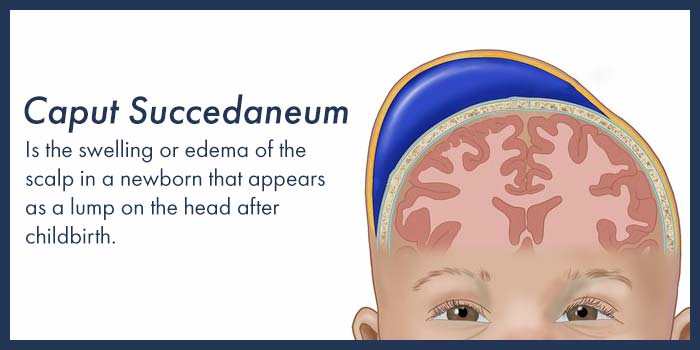
Caput succedaneum is a neonatal head injury involving localized swelling on the newborn’s scalp after vaginal delivery. The swelling comes from excess fluid made up of blood clots and blood serum.
Cephalohematoma is a birth complication involving build-up of blood from broken or damaged vessels (hemorrhage) that may occur between the baby’s skull and outer layer of skin during the birth process.
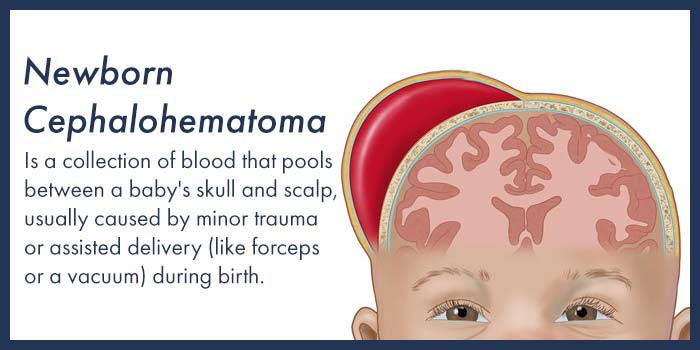
A common source of confusion when diagnosing a cephalohematoma is determining the difference between these two conditions.
Will Rubbing a Hematoma on a Baby's Head Help it to Go Away?
Do not rub a hematoma on a baby’s head. It does not speed up the healing process and can be uncomfortable or even cause harm to the baby.
The best way to help your newborn’s hematoma is to leave it alone, keep the area clean, continue to monitor it, and follow your pediatrician’s guidance. If you suspect something is wrong during the healing process, seek urgent medical attention.
Was Your Child’s Traumatic Birth Injury the Result of Medical Malpractice?

Parents whose children suffer from cephalohematoma related birth trauma or birth complications want and deserve answers as to the cause of their child’s injury and whether mistakes by the doctors and nurses contributed to the injury.
- Were there signs of birth injuries or birth complications during the pregnancy, labor, and delivery process, or presence of risk factors, which were either not recognized or properly treated?
- During the labor and delivery, were there clear indications that their baby was suffering from fetal distress, but appropriate actions were not taken by the obstetrician or nurses?
- Was there a delay in diagnosis of the cephalohematoma that led to later complications including brain injury?
- Did the medical team fail to order a series of tests to diagnose this birth complication in a timely manner?
- Was the decision to perform a cesarean delivery delayed leading to birth trauma during vaginal delivery or labor?
- Did the neonatal resuscitation team fail to quickly begin important breathing support?
- Should brain cooling (also called “hypothermia therapy”) have been provided to your baby, but the doctors and nurses failed to perform the appropriate tests or ignored the results of the tests?
National Birth Trauma Lawyers
Our award-winning birth trauma attorneys have represented families all over the United States in their time of need after a birth injury.
We use our experience and expertise to obtain for you and your child a medical malpractice settlement that will help provide specialized medical therapy in order to maximize the quality of life and independence of your child throughout their life.
Registered Nurses and Nurse-Attorneys Advocates

Most birth injury law firms will employ one or two nurses to assist the review of cases and medical research. But Miller Weisbrod Olesky offers an unmatched number of nurses and nurse-attorney employees support to both the birth injury attorneys and our clients.
Our team of registered nursing staff and nurse-attorneys bring a deep level of medical and personal insight to every client’s case. Our nursing team includes both an experienced labor and delivery nurse as well as an ICU nurse. Working closely with the rest of the team, they investigate the reasons behind a birth injury and how medical professionals breached their standard of care.
Why Should You Talk with the Knowledgeable Attorneys at Miller Weisbrod Olesky?

The only way to find out if you have a birth injury case is to talk to a lawyer experienced in birth injury lawsuits. It’s not uncommon that a birth related complication results in a preventable birth injury, including cerebral palsy, but it takes a detailed expert review by a birth injury attorney of the medical records from your child’s birth to determine if the birth injury was the result of medical malpractice.
At Miller Weisbrod Olesky, a team of committed lawyers, nurses and paralegals uses our detailed medical negligence case review process to assess your child’s potential birth injury case.
Our Process
We start by learning more about you and your child and the status of meeting/missing developmental milestones. Then we gather medical records to determine what happened before, during, and after your delivery. We call in skilled medical experts who review your records and let us know if they think medical errors could have caused your child’s injuries.
If we feel medical negligence caused or contributed to your child’s injuries, we meet with you to discuss how you can receive compensation from the medical professionals who made the errors. Our birth injury attorneys have recovered millions of dollars in settlements for families of children that have suffered a birth injury.
At no point in our legal intake process will we ask you to pay anything. The medical review of your case and the consultation are free. We only receive payment when you do.
Contact us today to schedule your free consultation by calling our toll-free line at (888) 987-0005. You can also reach us by filling out our online request form.
National Birth Injury Law
Our National Birth Injury Attorneys, nurses, and support staff understand that parents of children with birth injuries feel overwhelmed. So, every client has the attention and support of a team of trained, compassionate professionals. But we don’t just offer compassion.
We offer a process to help you discover whether your child’s birth injury, HIE, cerebral palsy or brain injury at birth was caused by medical malpractice.
Call our offices today at (888) 987-0005 for experienced assistance in a free consultation.
Quick Links
Testimonials
- Lyric C. I feel like our voice was heard in a sense of what can possibly go wrong in a delivery and finding us answers. I feel with our settlement, we are now in a comfortable position to provide for our son.
- Lyssa L. They are not just people that say “hey let's get you money and let's go” The law firm was very thorough with us. It was awesome. I don't want to cry, because I think about and it's amazing that they were able to help me and that we were able to help my son and get the story out there.
- Jay C. Throughout the process, one thing was clear to us, the ultimate interest of our child was the utmost concern of Max and his team and as parents navigating a situation like that, that was refreshing to know we had them firmly on our side. I highly recommend them.
Popular Cities
- ★ Dallas Birth Injury
- ★ Houston Birth Injury
- ★ Atlanta Birth Injury
- ★ Chicago Birth Injury
- ★ Philadelphia Birth Injury
Locations
★ Dallas
11551 Forest Central Drive, Ste. 300
Dallas, TX 75243
★ Houston
12929 Gulf Freeway, Ste. 111
Houston, TX 77034