Neonatal Hypoglycemia
How Can Low Blood Sugar Can Harm Newborns?
Unborn babies rely on their mothers for nutrients crucial to their development. For example, glucose is the primary source of fuel for both body and brain. The placenta and umbilical cord transmit glucose, oxygen enriched blood and other nutritional elements to a fetus. But that all stops when the baby is born and the doctor clamps off the cord.

However, some newborn babies develop persistent low blood sugar which is called “neonatal hypoglycemia”. This occurs when the newborn baby’s blood sugar levels fall too low or don’t recover in a timely fashion shortly after birth. This condition can lead to a brain injury in newborn babies when medical professionals fail to timely identify and properly treat neonatal hypoglycemia.
What Causes Neonatal Hypoglycemia?
Some factors that lead to neonatal hypoglycemia start long before the baby is born. For example, the mother’s nutrition and existing medical conditions can affect her baby’s outcome. Other causes of neonatal hypoglycemia are due to events or conditions that occur during the labor and delivery process. Specific causes of neonatal hypoglycemia include the following scenarios:
- Too much insulin from mother
- Incompatible blood types (Rh incompatibility and ABO incompatibility)
- Birth defects
- Congenital metabolic diseases or home deficiencies (genetic?
- Birth asphyxia/Fetal Distress or Hypoxic Ischemic Encephalopathy (HIE)
- Liver disease
- Infection

It’s crucial that a woman’s doctor and other medical professionals recognize that her baby might be more likely to develop neonatal hypoglycemia.
What Are Common Risk Factors For Neonatal Hypoglycemia?
Medical staff should be aware that certain babies are more likely to suffer from neonatal hypoglycemia even before childbirth begins. Hospitals use protocols that indicate which babies should be checked for neonatal hypoglycemia. For example, the risk is more significant for babies:

- with diabetic mothers, especially when diabetes is uncontrolled
- when the mother has preeclampsia or eclampsia
- when doctors suspect intrauterine growth restriction
Infants are subjected to a great deal of stress during childbirth. Some stress can place the baby at risk of severe conditions, including neonatal hypoglycemia. In the following situations, babies should be closely watched for signs of low blood sugar:

- The baby is small for their gestational age
- The baby is larger than expected for their gestational age
- Babies that are preterm and also low birth weight
- The mother has received certain medications
- Signs of fetal distress or hypoxic-ischemic encephalopathy (HIE) are detected
- Sepsis or other serious infections are present
- The baby has congenital heart disease
- At least one of the baby’s APGAR scores was low (below 7)
Newborn babies might develop severe, prolonged, or persistent hypoglycemia due to a combination of factors, including:
- An insufficient supply of glucose, low glycogen or fat stored in their body, or insufficient glucose production
- Excessive insulin production or increased metabolic demand that increases glucose usage
- Other systems in the body fail (pituitary or adrenal gland failure, for example)
Medical staff might suspect neonatal hypoglycemia based on observation and obvious risk factors.
How Do Doctors Diagnose Neonatal Hypoglycemia?
Medical professionals caring for a newborn, especially one at risk for neonatal hypoglycemia, should watch for the following symptoms:

- Poor muscle tone
- Lethargy
- Shaky
- No interest in feeding
- Hypothermia or low body temperature
- Breathing is too fast or stops
- Cyanotic (having bluish skin and lips) or pale
- Seizures
- Cry seems weak or high-pitched
When neonatal hypoglycemia is suspected -- because the baby is at risk or exhibiting symptoms – blood tests will be done to determine the baby’s glucose levels. According to recent studies, a newborn baby’s glucose level is considered normal if 50 or higher, but other factors could play into the diagnosis.
For example, a newborn might be within normal glucose levels but still exhibit signs and symptoms of hypoglycemia. The baby’s doctors and nurses should consider all these factors when diagnosing and treating the infant.

Normal glucose for a newborn ranges from 40 to 50 in the first 48 hours of life, according to different studies. NCBI Neonatal Hypoglycemia article states 50 as the minimum.
How Do Doctors Treat A Baby With Neonatal Hypoglycemia?
Doctors use the baby’s gestational age, overall health, and current blood glucose to determine their treatment plan. Newborns might be at-risk for neonatal hypoglycemia if the mother has diabetes or if:
- The baby was born late-preterm
- The baby was too large or too small for its gestational age
- Intrauterine growth restriction was indicated
At-risk babies generally should be fed within the first hour of life whether they show signs of hypoglycemia or not. Medical staff should periodically check blood glucose levels and consider additional treatments including dextrose gel applied to the baby’s mouth or cheek or an IV containing dextrose.
Symptomatic babies will need fast-acting glucose, possibly by bottle-feeding formula or a glucose and water mixture. Others must be treated with dextrose IVs usually administered through an umbilical venous catheter. The concentration of dextrose and the speed at which it is given depends on the baby’s blood sugar levels and overall condition.
After treatment, the medical staff should re-check the newborn’s blood glucose levels to see if the treatment worked. In some cases, treatment may be repeated. A pediatric endocrinologist might be consulted if the baby is not responding to treatment or if complications arise.

Doctors might also give babies with neonatal hypoglycemia other medications, including corticosteroids that can increase blood glucose concentrations or glucagon. The medical staff’s ultimate goal should be to protect the baby from harm, including brain damage and long-term deficits. When they fail to identify high-risk babies and treat them, their actions or inaction can be labeled as medical negligence and medical malpractice.
Are there any long-term effects?
The brain needs glucose to function. Neonatal hypoglycemia can cause brain damage in a newborn baby because the baby’s brain does not have the glucose it desperately needs.
One study – The Children with Hypoglycemia and Their Later Development (CHYLD) – showed an increased risk of neurosensory impairment in babies with glucose instability in the first hours of life.
Other studies have shown that 25 to 50% of infants with persistent hypoglycemia will have developmental disabilities later in life.

Failing to diagnose and treat a baby’s neonatal hypoglycemia can cause life-long developmental delays, brain injury, seizure disorders, cerebral palsy, or death.
Did Medical Malpractice and Mismanagement of Neonatal Hypoglycemia Harm Your Child?
The parents of children who suffered birth injuries often want answers. They want to know what happened to harm their child’s brain. Was it preventable? Our dedicated birth injury lawyers want to help you find those answers.
We diligently investigate the facts and hold responsible parties accountable by pursuing medical malpractice claims against them. The compensation our clients receive helps them pay for their child’s current and future medical treatment, assistive technology and equipment, and the other expenses associated with caring for a child with brain injuries, seizure disorders, and cerebral palsy.
Sometimes families are afraid to talk to lawyers about their child’s case. Others may simply feel overwhelmed by their circumstances and unable to participate in a lawsuit involving their child’s birth injury.
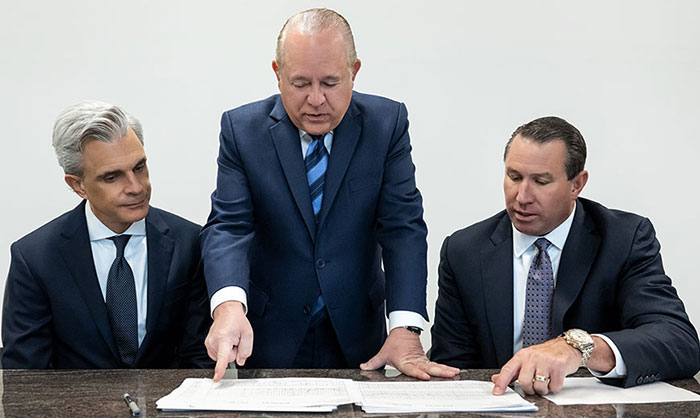
Why Should You Talk with the Knowledgeable Attorneys at Miller Weisbrod Olesky?
The only way to find out if you have a birth injury case is to talk to an attorney who understands birth injury.
At Miller Weisbrod Olesky, a team of committed professionals uses our detailed case review process to assess your potential claim. They start by learning more about you and your child. Then we gather medical records to determine what happened before, during, and after your delivery. We call in skilled medical experts who review your records and let us know if they think medical errors could have caused your child’s injuries.
If we feel medical malpractice was present, we meet with you to discuss how you can receive compensation from the medical professionals who made the errors.
At no point in our legal intake process will we ask you to pay anything. The medical review of your case and the consultation are free. We only receive payment when you do.
Contact Miller Weisbrod Olesky
National Birth Injury Law
Our National Birth Injury Attorneys, nurses, and support staff understand that parents of children with birth injuries feel overwhelmed. So, every client has the attention and support of a team of trained, compassionate professionals. But we don’t just offer compassion.
We offer a process to help you discover whether your child’s birth injury, HIE, cerebral palsy or brain injury at birth was caused by medical malpractice.
Call our offices today at (888) 987-0005 for experienced assistance in a free consultation.
Quick Links
Testimonials
- Lyric C. I feel like our voice was heard in a sense of what can possibly go wrong in a delivery and finding us answers. I feel with our settlement, we are now in a comfortable position to provide for our son.
- Lyssa L. They are not just people that say “hey let's get you money and let's go” The law firm was very thorough with us. It was awesome. I don't want to cry, because I think about and it's amazing that they were able to help me and that we were able to help my son and get the story out there.
- Jay C. Throughout the process, one thing was clear to us, the ultimate interest of our child was the utmost concern of Max and his team and as parents navigating a situation like that, that was refreshing to know we had them firmly on our side. I highly recommend them.
Popular Cities
- ★ Dallas Birth Injury
- ★ Houston Birth Injury
- ★ Atlanta Birth Injury
- ★ Chicago Birth Injury
- ★ Philadelphia Birth Injury
Locations
★ Dallas
11551 Forest Central Drive, Ste. 300
Dallas, TX 75243
★ Houston
12929 Gulf Freeway, Ste. 111
Houston, TX 77034