Vaginal Birth After Cesarean
Vaginal Birth After Cesarean (VBAC) & Complications
The goal of labor and delivery is to produce a healthy baby. When things don’t go as planned, an expecting mother may need to deliver by emergency cesarean section (C-section).

C-sections are lifesaving procedures when vaginal birth is unsafe or impossible. They can prevent lifelong birth injuries for both mothers and their children, but they can also come with serious risks. The procedure is a major abdominal surgery with higher chances for postpartum hemorrhaging, blood clots, and infections.
For these reasons and more, a mother may wish for a vaginal birth after cesarean (VBAC) for future deliveries. But delivering vaginally after already having a prior C-section comes with elevated risks that medical professionals should not take lightly.
One of the most severe consequences of a failed VBAC is uterine rupture. This is a serious medical emergency that directly puts the mother’s and baby’s lives in peril.
Uterine ruptures put the mother at risk of hemorrhaging, and they can severely deprive the baby’s oxygen supply. This can lead to neonatal brain injuries like hypoxic ischemic encephalopathy at birth. This kind of brain damage at birth can have permanent consequences and cause lifetime conditions like cerebral palsy.
Obstetricians have a responsibility to counsel expecting mothers on the risks and benefits of VBACs. They have a duty to inform the mother if they believe that attempting vaginal birth will lead to dangerous complications. If they ignore risks, mismanage her birth, and cause preventable injuries, they may be liable for medical malpractice.
Birth Injury Malpractice Attorneys
Medical errors can forever impact a baby’s life with permanent conditions like HIE or cerebral palsy. These injuries can happen when medical professionals fail to recognize the risk of delivery methods like VBACs. Our VBAC related birth injury attorneys will help these children seek justice by pursuing medical malpractice claims against the responsible parties.
Free Legal Consultation
Birth Injury Lawyers
(888) 987-0005Our Birth Injury Lawyers are available to meet you in your home or the hospital.
We are available today to assess the strength of your claim and whether your family is eligible to recover financial damages. We can answer complex legal and medical questions during our free consultation and intake process.
If you decide to hire us, we will provide you with not just an attorney but an entire medical team. Unlike other firms, we have a vast network of medical experts, in-house nursing staff, and nurse-attorneys assigned to every case.
Our firm understands that your child’s needs cannot simply go on hold while your case is ongoing. This is why we offer financial help and medical assistance immediately, not just after we win.
As your attorneys deal with the litigation process, your medical team will ensure your child receives the care they need. This includes assistance with obtaining medical records, scheduling doctors’ appointments, providing transportation, and any other problems that may arise.
We offer these services on a contingency fee basis. This means that you do not pay a single penny out of pocket until after we win your case. When we win, we will only charge a pre-agreed percentage in fees from your settlement or jury award.
Our VBAC related birth injury attorneys have recovered hundreds of millions in compensation for our clients. Our track record of birth injury results speaks for itself, setting us apart from other medical malpractice firms.

Recent VBAC Injury Case
A Texas mother suffered a uterine rupture during delivery after doctors failed to intervene during her attempted VBAC delivery. After failing to perform a timely C-section, the baby sustained irreversible brain damage at birth. Our team of top-rated birth injury lawyers recovered $3,000,000 to help their family afford future medical expenses and therapies.
What Is a VBAC?
A VBAC stands for vaginal birth after Cesarean. It is a delivery option for expecting mothers who wish to avoid having another C-section with their next birth. The procedure requires careful consideration because the mother’s uterus will have scar tissue and be weaker from the prior incisions.
Despite the higher risk, VBACs have around a 70% success rate. The procedure is appealing because it allows the mother to avoid major abdominal surgery, recover faster, and avoid birth complications.
VBAC vs. TOLAC

TOLAC stands for Trial of Labor After Cesarean (TOLAC). It is the process of attempting to deliver vaginally, or an attempted VBAC. The term VBAC typically refers to a successful vaginal delivery rather than just an attempt.
An expecting mother may choose to commence a TOLAC instead of scheduling an elected cesarean delivery (“C-section”). Should she decide to attempt, her doctor and other medical professionals on her team should monitor her closely during delivery. Specifically, they need to watch for signs of:
A successful TOLAC ends with a successful VBAC. But there are times where the mother shouldn’t even attempt a TOLAC in the first place.
Who is Eligible to Attempt VBAC?

When doctors counsel mothers who want to attempt a VBAC, they must carefully review their medical history. There are some events and risk factors which can make TOLAC unacceptably dangerous.
Generally, the following conditions greatly reduce or eliminate eligibility for TOLAC and VBAC:
- Classical, T, or J-shaped uterine incisions: These types of incision can increase the risk of uterine rupture. A mother may have these incision scars from a prior C-section, uterine surgery, or open fetal surgery
- Prior Uterine Ruptures: Women with prior uterine ruptures are less likely to have a successful TOLAC. It puts her in danger of having another rupture, which also puts her baby at risk for serious birth trauma. Uterine ruptures can rapidly deprive the baby of oxygen, resulting in hypoxia and potential brain damage at birth
- Macrosomia: Mothers of large babies (over 4000 grams or 9 pounds) are more at risk for uterine rupture during TOLAC
- Post Term Pregnancy: After 40 weeks gestation, women are more likely to need labor inducing medications. While induction alone does not cause uterine ruptures, it can be hazardous when combined with other factors
- Recent C-section delivery: Doctors generally advise mothers who deliver by C-section to wait at least 18 months before conceiving again. This gives the uterus more time to heal completely
Generally, any high risk pregnancy can make TOLAC difficult and VBAC unlikely. But an expecting mother may not know she has considerable risk unless her healthcare provider explains these dangers to her.
What Are the Risks of VBAC?

The primary risk to the mother with a TOLAC is uterine rupture. The uterus is the organ that holds the placenta, amniotic sac, and baby. A scarred uterus that has had previous surgery or injury can split partially or completely.

The mother faces hemorrhaging, blood transfusions, and shock during a uterine rupture. Doctors must deliver her baby immediately by emergency Cesarean delivery (C-section) to avoid severe birth asphyxia. In extreme cases, the mother may need a hysterectomy (removal of the uterus) or may die from blood loss.
The baby may either partially or fully spill out from the split uterus and into the mother’s abdomen. They will experience an abrupt decrease in blood and oxygen, which can cause brain injuries like hypoxic ischemic encephalopathy (HIE). Unless delivered immediately by emergency C-section, the baby could die.
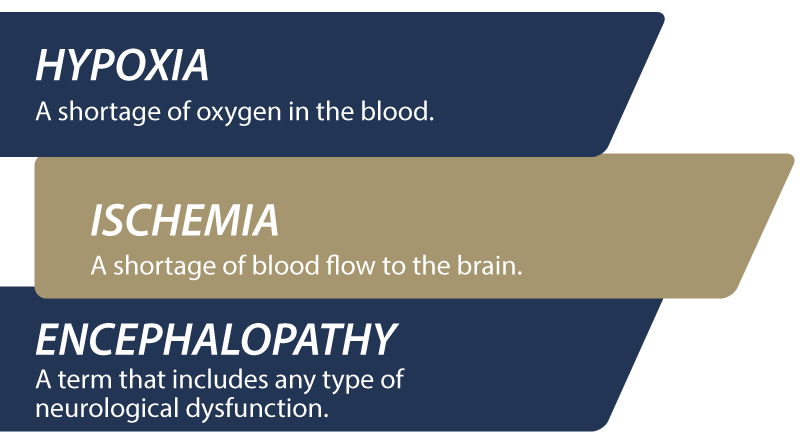
Babies with HIE who survive often have lifelong disabilities, including seizure disorders, cognitive difficulties, delayed developmental milestones, and cerebral palsy. It’s important that doctors carefully monitor fetal heart rates as the mother undergoes TOLAC and watch for signs of fetal distress. If her labor stalls or fails to progress (prolonged or arrested labor), they should move to perform a C-section.
How Should Doctors Manage the Mother’s VBAC?

Doctors (including obstetricians) have a duty to assess the mother’s condition and review her history when discussing TOLAC and VBAC. They should consider factors in context with one another alongside the overall health of the mother and baby.
The mother makes the ultimate decision, but she needs to understand all the risk factors that complicate TOLAC. Primarily, it’s crucial to acknowledge that not all expecting mothers are prime candidates for a VBAC. Medical professionals need to clearly explain the risk factors mentioned above during counseling and prenatal testing visits.
Expecting mothers sometimes get their mind set on attempting TOLAC and VBAC early in the pregnancy. Her doctor should periodically reassess this decision with her to ensure that she is still a viable candidate.
Most importantly, a mother should only attempt TOLAC at a hospital properly equipped to perform emergency C-sections. If her planned birth setting cannot manage the potential complications associated with VBACs, C-section is always the safer option.
How Can Doctors Mismanage the Mother’s VBAC?
Protecting a mother and her baby should be top priorities for doctors, nurses, medical staff, and hospitals. When they fail to properly manage delivery risks, babies can sustain serious birth injuries with lifelong consequences.
Medical professionals can be negligent or commit medical malpractice in several ways, including:
- Failing to counsel a mother on the risks associated with TOLAC and VBAC
- Failing to get informed consent from the mother before attempting VBAC
- Attempting TOLAC in a hospital that is unprepared to do emergency C-sections
- Missing risks that should disqualify a mother for TOLAC like recent uterine surgery, fetal macrosomia, or needing labor inducing medications
- Missing signs that the mother is having labor and delivery complications like a
uterine rupture - Failing to monitor the mother and her baby during labor
- Misinterpreting or ignoring signs of fetal distress
There is no room for errors or lapses in judgement when handling critical and risky delivery methods like a VBAC. When doctors, nurses, hospitals, and other healthcare providers are negligent, babies and their families suffer the consequences.
Did My Mismanaged Labor Cause Preventable Injuries?

It’s important for labor and delivery experts to take a mother’s full medical history into account. If she has previously undergone a C-section, it is their job to evaluate her risk of injury after a VBAC.
Medical professionals must ask important questions when making this determination:
- How many C-sections has the mother had in the past?
- What kind of incision did the surgeons use?
- Has she undergone any other uterine surgeries?
- Are there any maternal or fetal risk factors which may complicate vaginal birth?
These are all factors they need to consider when assessing whether VBAC is a viable delivery option.
Many mothers will want to attempt a VBAC, even when it may not be in their best interest. If doctors negligently allow this, they can be legally liable for her or her child’s injuries.
Mothers and children who suffer the effects from a uterine rupture during a VBAC deserve to know if it was preventable. Should the doctors have never attempted TOLAC? Was the hospital not properly equipped? Did the medical providers fail to provide for an emergency c-section or fail to recognize signs of fetal distress?
Our dedicated VBAC related birth injury lawyers will help you find those answers and hold the responsible parties accountable for their negligence. We will help your family seek justice and financial compensation for your or your child’s injuries.
What Is the Statute of Limitations in a VBAC Injury Case?

A statute of limitations (SOL) is a law that sets a time limit on how long an injured person has to file a lawsuit after an accident.
It is essential to understand that statutes of limitations vary based on the case and the state where you file. For instance, the deadline for birth injury claims is typically different from other claims, such as injury to private property.
Generally, the clock starts ticking on the date the injury occurred. However, there are exceptions to this rule. In some cases, the statute of limitations starts when a person discovers or reasonably should have discovered an injury.
When dealing with government agencies, SOLs can become even more complex. For example, additional filing rules may apply if the party that injured you was:
- A federal employee
- Employed by a military hospital, Veterans Administration facility, or a federally funded medical entity
If this is the case, you may need to file your birth injury claim under the Federal Tort Claims Act (FTCA). In FTCA cases, claimants must go through certain administrative procedures before filing a lawsuit. In some states, you may have less time to give notice if:
- The negligent party was a local or state government hospital
- The doctors and medical providers are employees of a governmental entity
If you file your case outside of the statute of limitations, the court will typically dismiss it. This means you will not be eligible to recover compensation for you or your child’s injuries.
Determining when a statute of limitations begins on your case can be tricky. Our experienced VBAC related birth injury lawyers can help inform you of all the important filing cutoff dates in your state. We will help your family seek justice and compensation for preventable injuries to you or your baby.
How Can Our VBAC Injury Lawyers Help?
Find out the strength of your birth injury case by speaking with a knowledgeable attorney who understands medical malpractice law. Our national VBAC related birth injury team understands how mismanaged or ill-advised VBACs increase a mother’s risk for uterine rupture. We can help your family make sense of your child’s injuries and pinpoint the causes.
Our Process
Our team of committed VBAC related birth injury attorneys use a detailed case review process to assess your potential claim. We start by learning more about you and your child. We will gather medical records to determine what happened before, during, and after your delivery. We call in skilled medical experts who review your records and let us know if they think medical errors could have caused your child’s injuries.
We will work to hold responsible parties accountable in VBAC negligence lawsuit by pursuing birth injury malpractice claims against them.
At no point in our legal intake process will we ask you to pay anything. The medical review of your case and the consultation are free. We only receive payment once you do. The sooner you reach out, the sooner we can investigate your case and gather evidence to support your claim.
Contact us today to schedule your free legal consultation by calling our toll-free line at (888) 987-0005. You can also reach us by filling out our online request form.
National Birth Injury Law
Our National Birth Injury Attorneys, nurses, and support staff understand that parents of children with birth injuries feel overwhelmed. So, every client has the attention and support of a team of trained, compassionate professionals. But we don’t just offer compassion.
We offer a process to help you discover whether your child’s birth injury, HIE, cerebral palsy or brain injury at birth was caused by medical malpractice.
Call our offices today at (888) 987-0005 for experienced assistance in a free consultation.
Quick Links
Testimonials
- Lyric C. I feel like our voice was heard in a sense of what can possibly go wrong in a delivery and finding us answers. I feel with our settlement, we are now in a comfortable position to provide for our son.
- Lyssa L. They are not just people that say “hey let's get you money and let's go” The law firm was very thorough with us. It was awesome. I don't want to cry, because I think about and it's amazing that they were able to help me and that we were able to help my son and get the story out there.
- Jay C. Throughout the process, one thing was clear to us, the ultimate interest of our child was the utmost concern of Max and his team and as parents navigating a situation like that, that was refreshing to know we had them firmly on our side. I highly recommend them.
Popular Cities
- ★ Dallas Birth Injury
- ★ Houston Birth Injury
- ★ Atlanta Birth Injury
- ★ Chicago Birth Injury
- ★ Philadelphia Birth Injury
Locations
★ Dallas
11551 Forest Central Drive, Ste. 300
Dallas, TX 75243
★ Houston
12929 Gulf Freeway, Ste. 111
Houston, TX 77034