Labor Inducing Medications
Labor-Inducing Medications During Labor & Delivery
An expecting mother’s prolonged or arrested labor can have dangerous outcomes. For the safety of both her and her baby, doctors may administer labor-inducing medications to ease along the delivery process.

Labor-inducing medications can greatly help a mother with weak contractions or a cervix that fails to properly dilate and efface. But when doctors misuse or improperly prescribe them, they can cause harmful labor and delivery complications like ruptures and hyperstimulation. These complications can cause birth injuries and increase the risk of maternal mortality and infant wrongful death.
Sometimes doctors wrongly prescribe labor-inducing medications despite the mother’s symptoms suggesting its usage will lead to complications. Other times they may prescribe too high of a dosage or fail to monitor its effects. And even when medical professionals do notice a complication, they sometimes fail to properly intervene.
When these medical errors happen and cause a preventable birth injury or maternal injury, it can constitute medical malpractice.
Birth Injury Malpractice Attorneys
Our top rated birth injury attorneys specialize in identifying how medication errors lead to severe birth injuries. If you or someone you know suffered from the effects of Cytotec misuse, don’t hesitate to contact our firm. We can answer difficult legal and medical questions and investigate the facts on your behalf.
Free Legal Consultation
Birth Injury Lawyers
(888) 987-0005Our Birth Injury Lawyers are available to meet you in your home or the hospital.
Our vast network of medical experts and in-house nursing staff and nurse-attorneys gives us the edge over our competition. When we take your case, we assign you with an entire medical team. This team not only consists of birth injury attorneys but also nursing advocates and medical experts.
Your team is available to assist with any day-to-day treatment you or your child may need. This includes assistance with medical records, scheduling doctors’ appointments, providing transportation, and any other problems that may arise.
We offer all of this on a contingency fee basis. This means you will not pay any fees until after we win your case and secure a settlement. Miller Weisbrod Olesky’s unmatched track record of birth injury results sets us apart from other birth injury law firms.

Recent Birth Injury Settlement:
Birth Injury settlement against a hospital in which nurses and physicians failed to properly monitor the mother's blood pressure during delivery causing an HIE event resulting in neonatal seizures and cerebral palsy at birth. Our team of top-rated birth injury lawyers recovered $13,750,000 for the family to help with future medical expenses and developmental therapy.
What Are Labor-Inducing Medications?
Labor-inducing medications are a class of medicine that aims to artificially start a mother’s labor and delivery.

During labor, the mother’s cervix begins effacing (thinning out) and dilatating (opening) in response to pressure from the baby’s head. The pressure on the uterine nerve endings triggers a response from her nervous system to release a surplus of oxytocin. This is the hormone responsible for causing her uterine contractions during labor.
The uterus contracts at regular intervals to push the baby through the mother’s birth canal and into the world.
However, sometimes the mother’s cervix doesn’t efface or dilate on its own. Some mothers experience weak or erratic contractions, and sometimes their labor contractions fail to begin at all. Doctors may decide to use medications to induce labor or improve its efficiency when these labor and delivery complications occur.
What Types of Medications Can Induce Labor?

Doctors will consider different medications to prescribe based on the mother’s specific needs. Weak contractions can indicate a deficiency in the mother’s oxytocin production, so doctors may decide to prescribe a synthetic version.
However, if the issue is with cervical ripening, they may instead prescribe a prostaglandin medication like misoprostol (Cytotec) or dinoprostone.
Not all of these medications have FDA approval for their usage to induce labor. All medications carry risks that doctors must carefully weigh against the anticipated benefits.
Oxytocin
Oxytocin is a type of peptide hormone, meaning it is a chain of amino acids. It plays many roles as a neurotransmitter for different behavioral and physiological processes. While both men and women produce oxytocin throughout their lifetime, women naturally produce more of it. Women’s oxytocin production tends to skyrocket during pregnancy.
As labor approaches, the baby’s head presses against the oxytocin receptors in the mother’s cervix. This pressure sends signals to the mother’s brain to release more oxytocin into the bloodstream to trigger uterine contractions. Oxytocin continues to stimulate uterine contractions after delivery to prevent postpartum hemorrhaging as her body prepares to deliver the placenta.
Pitocin
Pitocin is the brand name of synthetic oxytocin medication. Doctors typically inject it intravenously either during labor or before it has begun. Nearly half of all induced labors in the United States involve Pitocin administration.

When doctors prescribe and administer Pitocin/Oxytocin, there are several risks they must be aware of and prepared to handle. The most common risk is uterine hyperstimulation, a complication where the uterus contracts more frequently and forcefully than normal.
The extreme contractions that come with uterine hyperstimulation can restrict a baby’s access to oxygenated blood beyond what is safe. This increases their risk for birth asphyxia(complete cutoff of oxygen from the brain) and subsequent brain damage at birth.
The intense force on the uterus during hyperstimulation also puts the mother at risk for injuries. The most threatening complication is a uterine rupture, , which can cause postpartum hemorrhaging and organ damage.
Careful monitoring is essential when using Pitocin during labor. Doctors should be watching for non-reassuring fetal heart rates and erratic contraction patterns on the electronic fetal heart rate monitor. When they see irregularities, they should intervene by immediately lowering the dosage of Pitocin or stopping its use altogether. This may come in addition to other small adjustments such as shifting the mother’s position or bolstering her fluid intake.
If these changes are not helping, doctors must take further action and perform an emergency C-section delivery right away.
Doctors should not prescribe nor administer Pitocin if the mother:
- has any known allergies or hypersensitivities
- has had previous medical procedures to the uterus
- has any known pregnancy complications that make vaginal birth too risky, such as macrosomia or placenta previa
Misoprostol

Misoprostol is a synthetic form of natural prostaglandins, which are hormone-like compounds that the body creates naturally. Prostaglandins regulate a number of bodily processes like inflammation and healing from infections, forming blood clots, and stimulating uterine contractions.
Doctors administer misoprostol for multiple purposes, including preventing stomach ulcers and helping pass fetal tissue from ectopic pregnancies and stillbirths. In the context of labor, however, doctors use misoprostol for promoting cervical ripening (effacement and dilation).
Cytotec
Just like how Pitocin is the brand name for oxytocin medication, Cytotec is the brand name for misoprostol medication. It comes in the form of small tablets that doctors insert vaginally to promote cervical effacement and dilation.
The U.S. Food and Drug Administration (FDA) has not yet approved using Cytotec (misoprostol) for labor induction. The medication only has FDA approval to treat gastric ulcers. However, doctors are still able to prescribe and administer Cytotec to induce labor (known as off-label usage).
Like Pitocin, Cytotec also carries similar risks of inducing uterine hyperstimulation. Doctors should not prescribe the medication to anyone with previous uterine surgery or multiple births. Expecting mothers with either of those risk factors have an increased threat for uterine ruptures when they take Cytotec.
Additionally, doctors should never prescribe Cytotec to an expecting mother early during her pregnancy as it can cause birth defects. The only context for even considering using the medication is promoting labor by softening the cervix and inducing contractions.
Dinoprostone

Dinoprostone is another type of prostaglandin medication doctors prescribed to prepare the cervix for labor. Where misoprostol is a synthetic version of prostaglandin E1, dinoprostone is a synthetic version of prostaglandin E2. Both types possess uterotonic properties that promote cervical ripening, but prostaglandin E2 is generally more potent than E1.
Unlike misoprostol, dinoprostone has FDA approval to use for labor induction after having a lower rate of reported adverse effects.
The two most popular brands of dinoprostone are Cervidil and Prepidil.
Cervidil comes in the form of a string-like vaginal insert that slowly releases medication over a 12-hour period. Doctors manually remove the insert after the cervix has softened and ripened enough for labor to progress.
Prepidil comes in the form of a gel-like substance that Medical professionals directly apply to the cervix. Prepidil is typically fast acting, whereas Cervidil takes a bit longer to release.
As with oxytocin and misoprostol, the same risks for maternal and fetal health are present when administering dinoprostone. A dosage too high can cause uterine hyperstimulation and increase the risk of oxygen deprivation and fetal distress during labor.
Doctors should take any of the mother’s existing pregnancy complications into account before prescribing dinoprostone or any other labor-inducing medication.
What Injuries Can Labor-Inducing Medications Cause?
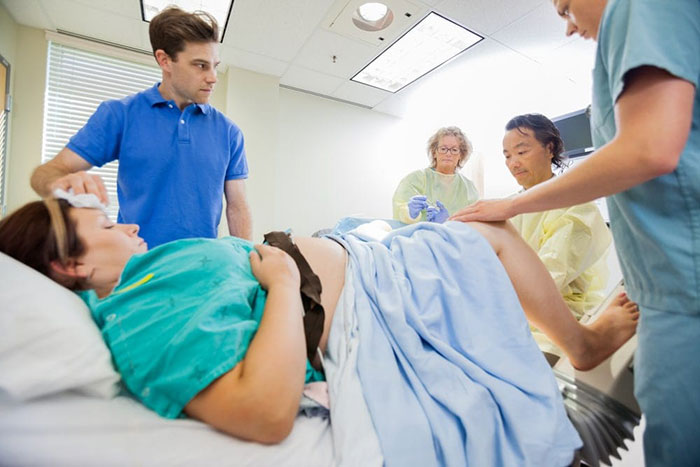
Incorrect prescription or too high of a dosage of labor-inducing medications can have dangerous consequences for the mother and baby. Some of the possible labor and delivery complications from medication errors include:
Uterine Hyperstimulation

Too high of a dose of labor-inducing medications can cause the uterus to contract too frequently and/or too forcefully. This can dangerously affect the baby’s oxygen supply and sometimes prolong labor even further. Uterine hyperstimulation is the most common complication associated with labor-inducing medications.
About Uterine Hyperstimulation
Uterine Rupture
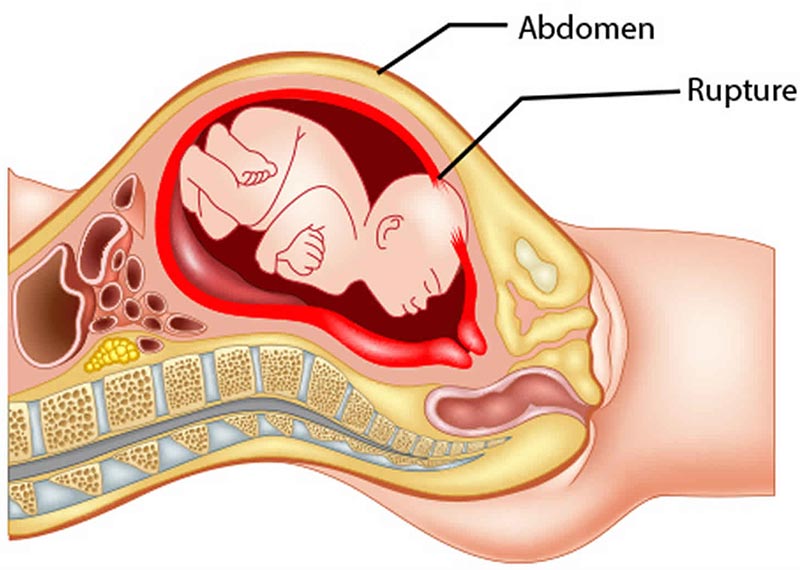
The extreme force with which the mother’s uterus contracts during hyperstimulation can cause it to rip or tear. A uterine rupture is an extreme medical emergency requiring immediate delivery of the baby via C-section.
Postpartum Hemorrhage
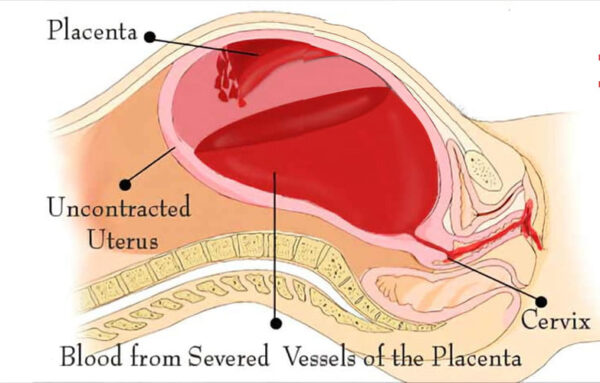
A prolonged exposure to labor-inducing medications like Pitocin can eventually weaken and desensitize the mother’s uterine oxytocin receptors. This can make the uterus less responsive and impair the necessary contractions after birth to pass the placenta.
This complication is called uterine atony, and the lack of contractions leaves the blood vessels in the uterus exposed. This can lead to postpartum hemorrhaging after labor, a dangerous complication that can increase the risk of maternal mortality.
Birth Asphyxia

Birth asphyxia occurs when a blockage obstructs the baby’s access to oxygen in the womb during delivery. Labor-inducing medications can increase the risk of perinatal asphyxia when they induce contractions that are too frequent and forceful.
Hypoxic Ischemic Encephalopathy
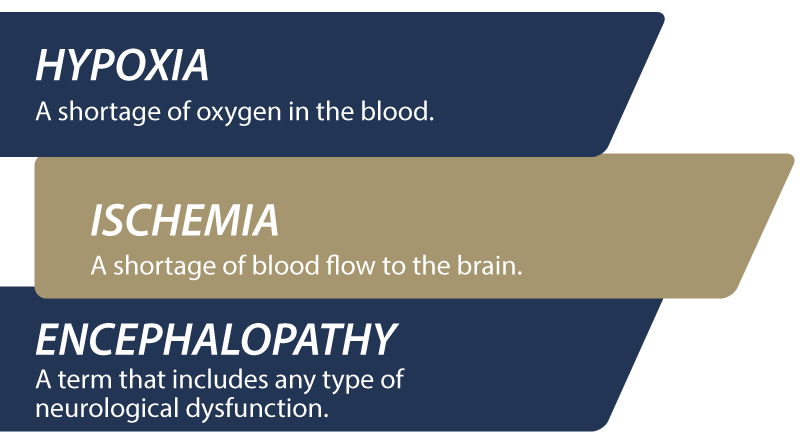
Prolonged periods of fetal hypoxia and ischemia from intense uterine contractions can lead to brain damage at birth. Hypoxic ischemic encephalopathy (HIE) is a common brain injury pattern resulting from insufficient blood flow to the baby’s brain.
HIE is a permanent injury linked to a number of conditions and delayed developmental milestones. It is the leading cause of cerebral palsy in young children.
Doctors and other medical professionals in the delivery room must be alert to any of these complications during labor. They must understand how using labor-inducing medications increases the mother’s risk for certain complications.
During labor, doctors must conduct careful fetal heart rate monitoring watching for irregular contraction patterns or signs of fetal distress. They should move forward with an immediate C-section delivery if they notice severe complications like uterine ruptures or birth asphyxia.
Did Doctors Misuse Labor-Inducing Medications During My Delivery?

Labor-inducing medications can be lifesaving for a baby at risk of birth asphyxia or fetal distress due to a mother’s prolonged labor. However, medications like oxytocin, misoprostol, and dinoprostone can sometimes cause dangerous labor and delivery complications when medical professionals misuse them. Some of these complications, like uterine hyperstimulation or uterine ruptures, can lead to birth injuries, infant death and maternal mortality.
The first step in preventing these outcomes is assessing whether labor-inducing medications are right to prescribe in the first place.
- Does she have any pregnancy complications that will make vaginal birth risky?
- Has she had previous C-sections or other uterine surgeries that increase the odds of a uterine rupture?
- Does she have any listed allergies or hypersensitivities that could produce an adverse reaction to the medication?
If the answer to all three questions is no, errors can still arise. Doctors may administer too high of a dosage or fail to turn down the dosage in time. They can also have a delayed response to a complication during delivery. All these actions count as medical negligence. They may constitute a medical malpractice lawsuit when they lead to preventable birth injuries or maternal injuries.
If a family believes medical negligence caused or worsened a mother’s or child’s injuries, legal support may be an option. A specialized birth injury attorney can review the medical records and circumstances to assess whether a claim exists.
Families who have experienced the effects of medication errors deserve to know whether better medical care could have prevented them. Our top rated birth injury lawyers will help you find those answers and obtain the necessary funds to secure treatment.
Our National Birth Injury team will thoroughly investigate the facts, holding responsible parties accountable by pursuing medical malpractice claims.
What Is the Statute of Limitations in a Birth Injury Lawsuit?

A statute of limitations (SOL) is a law that sets a time limit on how long an injured person has to file a lawsuit after an accident. It is essential to understand that statutes of limitations vary based on the case and the state where you file. For instance, the deadline for birth injury claims is typically different from other claims, such as injury to private property.
Generally, the clock starts ticking on the date the injury occurred. However, there are exceptions to this rule. In some cases, the statute of limitations starts when a person discovers or reasonably should have discovered an injury. When dealing with government agencies, SOLs can become even more complex.
For example, if the party that injured you was:
- A federal employee
You may need to file a birth injury claim under the Federal Tort Claims Act (FTCA). In FTCA cases, claimants must go through certain administrative procedures before filing a lawsuit. In some states, you may have less time to give notice if:
- The negligent party was a local or state government hospital.
If you file your case outside of the statute of limitations, the court will typically dismiss it. This means you will not be eligible to recover compensation for you or your child’s injuries.
Determining when a statute of limitations begins on your case can be tricky. If you are considering pursuing compensation for a birth injury, contact an attorney as soon as possible.
How Can Our Birth Injury Attorneys Help?

Birth injuries from medications can severely alter a mother’s or child’s life trajectory. It takes an expert review of the facts of your birth to determine whether medical professionals made preventable errors.
Our Process
Our team of committed birth injury attorneys, nurses and paraprofessionals works to answer these questions and seek compensation. We use our detailed medical negligence case review process to assess your potential birth injury case.We start by learning more about your pregnancy by gathering records to determine what happened during and after your delivery. This includes a detailed review of the treatment doctors provided or failed to provide while prescribing and administering labor-inducing medications.
We will call in skilled medical experts who review your records and provide insight into where medical professionals went wrong. If we feel medical negligence caused or worsened you or your child’s injuries, we meet with you to discuss further.
At no point in our legal intake process will we ask you to pay anything. The medical review of your case and the consultation are free. We only receive payment once you do. The sooner you reach out, the sooner we can investigate your case and gather the evidence to support your claim.
We work on a contingency fee basis, meaning you will not pay any legal fees until we win your case. We do not purse any medical malpractice cases unless we fully believe we can win.
Contact us today to schedule your free consultation by calling our toll-free line at (888) 987-0005. You can also reach us by filling out our online request form.
Contact Miller Weisbrod Olesky
National Birth Injury Law
Our National Birth Injury Attorneys, nurses, and support staff understand that parents of children with birth injuries feel overwhelmed. So, every client has the attention and support of a team of trained, compassionate professionals. But we don’t just offer compassion.
We offer a process to help you discover whether your child’s birth injury, HIE, cerebral palsy or brain injury at birth was caused by medical malpractice.
Call our offices today at (888) 987-0005 for experienced assistance in a free consultation.
Quick Links
Testimonials
- Lyric C. I feel like our voice was heard in a sense of what can possibly go wrong in a delivery and finding us answers. I feel with our settlement, we are now in a comfortable position to provide for our son.
- Lyssa L. They are not just people that say “hey let's get you money and let's go” The law firm was very thorough with us. It was awesome. I don't want to cry, because I think about and it's amazing that they were able to help me and that we were able to help my son and get the story out there.
- Jay C. Throughout the process, one thing was clear to us, the ultimate interest of our child was the utmost concern of Max and his team and as parents navigating a situation like that, that was refreshing to know we had them firmly on our side. I highly recommend them.
Popular Cities
- ★ Dallas Birth Injury
- ★ Houston Birth Injury
- ★ Atlanta Birth Injury
- ★ Chicago Birth Injury
- ★ Philadelphia Birth Injury
Locations
★ Dallas
11551 Forest Central Drive, Ste. 300
Dallas, TX 75243
★ Houston
12929 Gulf Freeway, Ste. 111
Houston, TX 77034