Cytotec Labor Induction
Cytotec Induction During Labor & Delivery
As a mother’s body prepares for labor and delivery, her cervix begins to soften and thin out. These changes, known as cervical dilation and effacement, are crucial for the baby to pass through the birth canal. However, certain factors can weaken cervical effacement or stop it from occurring altogether.
Doctors may decide to administer medications like Cytotec to induce the dilation and effacement when it doesn’t happen naturally.

Cytotec is a labor-inducing medication that can effectively soften the cervix and stimulate uterine contractions. It can be beneficial for mothers with post term pregnancies or with high-risk pregnancies due to complications like preeclampsia. However, the medication does not come without some potential risks and side effects of its own.
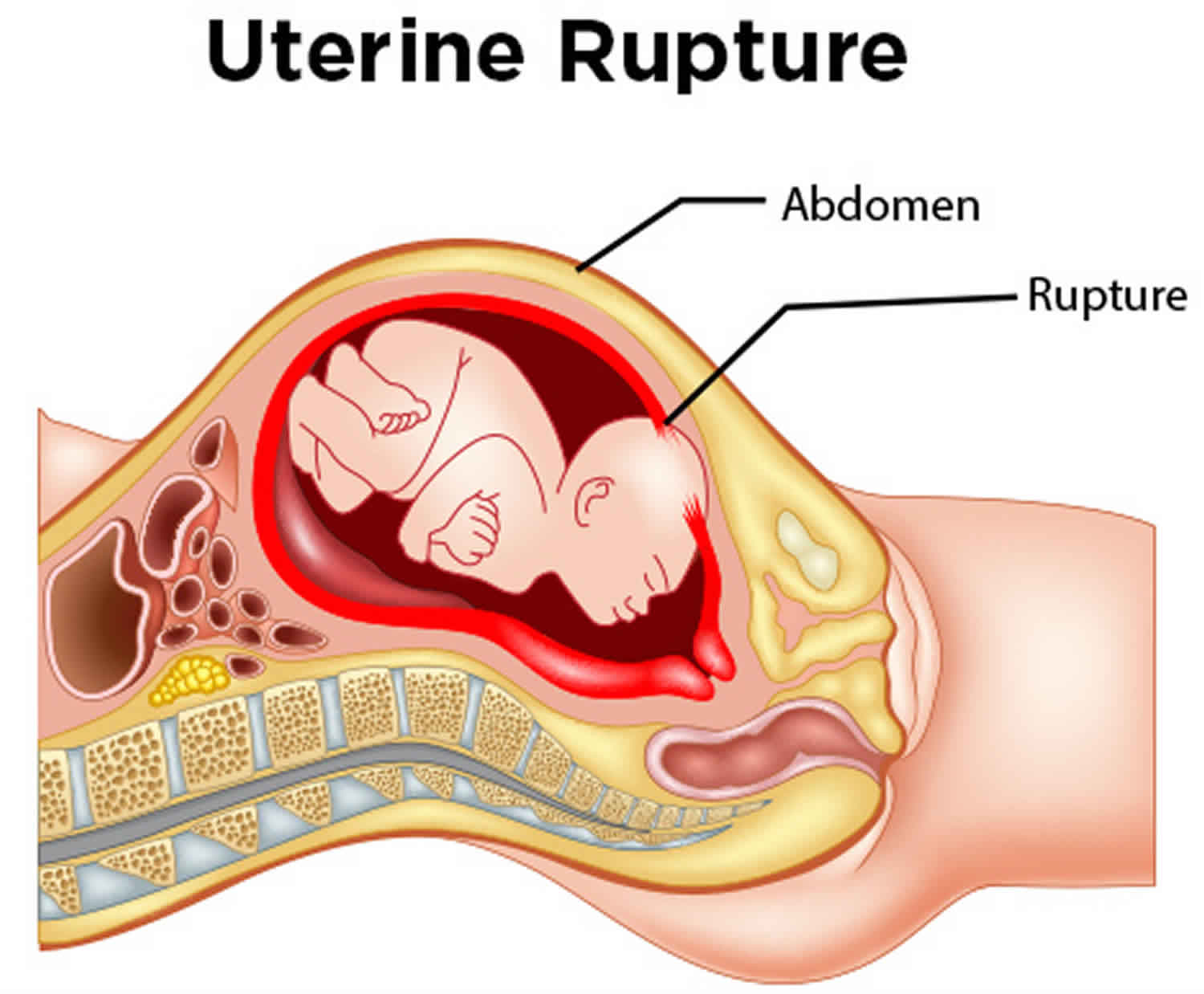
Cytotec can be dangerous for mothers with uterine scarring from a C-section or other previous medical procedure. Mothers on Cytotec who attempt a vaginal birth after cesarean section delivery may experience too frequent and forceful of contractions. This is called uterine hyperstimulation, a complication that increases her risk for prolonged labor, uterine rupture, and even maternal mortality.
Doctors must understand the risks of medications like Cytotec before prescribing them. When they make negligent errors that injure the mother or her child during labor and delivery, it constitutes medical malpractice.
Birth Injury Malpractice Attorneys
Our top rated birth injury attorneys specialize in identifying how medication errors lead to severe birth injuries. If you or someone you know suffered from the effects of Cytotec misuse, don’t hesitate to contact our firm. We can answer difficult legal and medical questions and investigate the facts on your behalf.
Free Legal Consultation
Birth Injury Lawyers
(888) 987-0005Our Birth Injury Lawyers are available to meet you in your home or the hospital.
Our vast network of medical experts and in-house nursing staff and nurse-attorneys gives us the edge over our competition. When we take your case, we assign you with an entire medical team. This team not only consists of attorneys but also nursing advocates and medical experts.
Your team is available to assist with any day-to-day treatment you or your child may need. This includes assistance with medical records, scheduling doctors’ appointments, providing transportation, and any other problems that may arise.
We offer all of this on a contingency fee basis. This means you will not pay any fees until after we win your case and secure a settlement. Miller Weisbrod Olesky’s unmatched track record of birth injury results sets us apart from other birth injury law firms.

Recent Birth Injury Settlement:
Birth Injury settlement against a hospital in which nurses and physicians failed to properly monitor the mother's blood pressure during delivery causing an HIE event resulting in neonatal seizures and cerebral palsy at birth. Our team of top-rated birth injury lawyers recovered $13,750,000 for the family to help with future medical expenses and developmental therapy.
What is Cytotec?

Cytotec is the brand name of a medication called misoprostol. It is a type of prostaglandin medication that can serve multiple purposes.
Prostaglandins are hormone-like compounds that the body creates to regulate multiple different processes. This includes causing inflammation to heal from infections, blood clot formation, and stimulating uterine contractions during menstruation and labor.
Cytotec is a synthetic version of the prostaglandin PGE1, which has uterotonic properties that “promote labor and cervical ripening”. It typically comes in the form of small tablets that doctors insert vaginally for labor induction.
When Should Doctors Use Cytotec?
Certain pregnancy complications can sometimes make it unsafe for a mother to wait for spontaneous labor. These complications can include gestational diabetes or hypertensive disorders like preeclampsia.
When these complications are expected to cause harm, medical providers may opt to use labor-inducing medications to avoid dangerous outcomes. Such outcomes include hypoxia or ischemia, which can both result in fetal distress or brain damage at birth.
When doctors suspect fetal distress or hypoxia, they must be prepared to move immediately to an emergency C-section. But before it escalates to that point, they may be able to preemptively administer Cytotec to avoid adverse outcomes.
Post Term Pregnancy
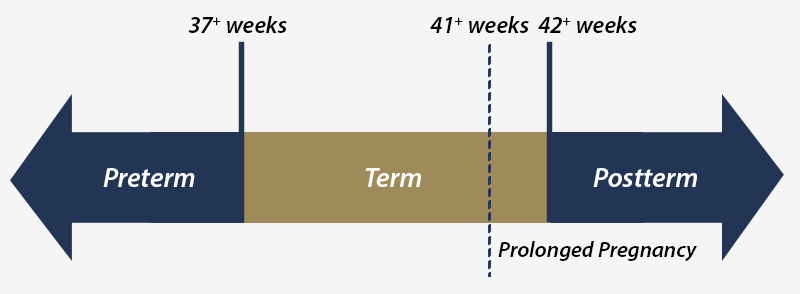
Doctors may prescribe Cytotec to an expecting mother whose pregnancy has gone post term. Post term pregnancies can be dangerous as it increases the chances of complications like placental insufficiency and meconium aspiration syndrome.
Prolonged & Arrested Labor

Another time when doctors may consider using Cytotec is when the mother experiences prolonged or arrested labor. A mother’s labor is sometimes prolonged when her cervix fails to properly soften and dilate on its own.
Cytotec can help start the labor process by softening the cervix enough for it to dilate. It can also assist in strengthening uterine contractions, though that is not its main function.
About Prolonged/Arrested Labor
Postpartum Hemorrhage

Doctors may also prescribe Cytotec to treat a mother’s postpartum hemorrhage after delivery. The medication can strengthen afterbirth contractions to combat issues of uterine atony.
Cytotec can help a mother pass retained fetal tissue after birth or after a miscarriage like an ectopic pregnancy. Retained products of conception are a known risk factor for postpartum hemorrhaging.
Pitocin vs. Cytotec

When a mother’s labor is prolonged due to weak or absent contractions, doctors usually will recommend a medication called Pitocin. Pitocin is a synthetic form of the hormone oxytocin. While doctors administer Cytotec vaginally in the form of small tablets, they administer Pitocin intravenously (through an IV)

PITOCIN
- Brand name for naturally occurring Oxytocin
- Used to induce or strengthen labor
- Administered intravenously
CYTOTEC
- Brand name for Misoprostol
- Used to help the cervix efface during labor
- Inserted vaginally
When Should Cytotec Be Avoided?

It’s important to note that the U.S. Food and Drug Administration has not approved using Cytotec (misoprostol) for labor induction. The medication only has FDA approval to treat gastric ulcers. However, doctors are still able to prescribe and administer it to induce labor (known as off-label usage).
The lack of FDA approval stems from the potential hazards associated with using Cytotec for mothers with certain risk factors.
This includes mothers who have had previous deliveries via C-section.

Mothers may have scarring from less common surgeries like dilation and curettage (D&C) or a myomectomy to remove uterine fibroids.
Uterine scarring is a risk factor for severe injuries with Cytotec because of its potential to induce stronger contractions.
Certain pregnancy complications with the baby may also make Cytotec administration unsafe. This includes abnormalities in fetal size like macrosomia and cephalopelvic disproportion. Administering Cytotec despite these complications can place additional unsafe stress and pressure on the uterus, increasing the risk of rupturing.
Additionally, maternal complications such as placenta previa may make vaginal birth too risky to attempt at all. This means that doctors should never attempt to induce labor in the first place.
Doctors must take the mother’s conditions and medical history into account when determining whether Cytotec is safe enough to prescribe. They are also responsible for informing her of all potential risks with the medication so she can give informed consent.
Failing to properly identify a mother’s risk factors for Cytotec injuries can cause medical professionals to incorrectly prescribe it. When they administer Cytotec and it causes preventable maternal injuries or birth injuries, it may constitute medical malpractice.
What Are the Potential Complications of Cytotec?
Cytotec can cause multiple serious labor and delivery complications that threaten the life of the mother and her baby. The most severe complications that can arise from its misuse include:
Uterine Hyperstimulation

Uterine hyperstimulation is a serious labor and delivery complication where the uterus contracts more frequently and forcefully than usual. Doctors can identify hyperstimulation when the mother displays any of the following symptoms:
- Five or more contractions within a 10-minute period (uterine tachysystole).
- Contractions lasting 2 minutes or longer in duration.
- Unusually intense or painful contractions from the very beginning of labor.
- A baby showing signs of fetal distress.
- A baby showing signs of fetal tachycardia or hypoxia.
During childbirth, labor contractions temporarily restrict the baby’s access to oxygenated blood. This is a natural process of labor, but uterine hyperstimulation can prolong this restriction beyond what is normal and safe.
A baby’s brain can only go without oxygen and blood flow for so long before hypoxia develops into birth asphyxia. A baby who suffers from birth asphyxia during delivery is subject to a range of systemic and neurological complications. This includes brain injuries like hypoxic-ischemic encephalopathy (HIE), which are often a precursor to permanent conditions like cerebral palsy.
Uterine hyperstimulation can cause contractions so forceful that they rip the endometrium, myometrium, and/or perimetrium tissue layers of the uterus. A uterine rupture of any layer is a medical emergency that usually requires immediate delivery of the baby via C-section.
About Uterine Hyperstimulation
Uterine Rupture

Uterine hyperstimulation from Cytotec can lead to the ripping of the endometrium, myometrium, and/or perimetrium tissue layers of the uterus, otherwise known as a uterine rupture.
A uterine rupture can lead to postpartum hemorrhaging for the mother and cause damage to her nearby internal organs. The contents of her uterus (including the baby) can spill out into her abdomen and cause severe blood loss. This increases both her and her baby’s the risk for wrongful death if medical professionals fail to intervene quickly enough.
Potential complications of a uterine rupture can include:
- Postpartum Hemorrhage
- Amniotic fluid embolism
- Declining fetal heart rates
- Emergency C-section delivery
- Maternal mortality risk
The FDA lists uterine rupture as the most serious potential side effect of Cytotec. They warn it “may result in severe bleeding, having the uterus removed (hysterectomy), and death of the mother or baby.”
Mothers who have undergone a previous C-section and are attempting a vaginal birth after cesarean delivery (VBAC) should not take Cytotec. This is because their risk for uterine rupturing is the highest. Mothers who have given birth multiple times also have a heightened risk and should avoid using labor inducing medications.
Birth Defects

Although not a typical risk for labor induction, Cytotec can cause birth defects for mothers taking it early during pregnancy.
The primary use of Cytotec is to treat and prevent gastric stomach ulcers by reducing the patient’s stomach acid levels. However, it can lead to fetal malformations when doctors improperly prescribe it in the first trimester of pregnancy.
Noted birth defects include limb deformities as well as a condition called Mobius sequence syndrome. This is a defect that causes facial paralysis, limited eye movement, speech impairments, and difficulties with feeding and swallowing.
Healthcare providers should never prescribe Cytotec or any other version of misoprostol to an expecting mother during pregnancy. The only context in which they should ever consider prescribing the medication is for cervical ripening and labor induction. All other uses during pregnancy are extremely dangerous and would count as gross medical negligence.
Maternal Mortality
The potential complications of Cytotec misuse, including uterine hyperstimulation, uterine ruptures, and postpartum hemorrhaging can all contribute to a mother’s maternal mortality risk.
“Wrongful Death” is a civil action legal claim brought against a person or group whose actions (or lack of action) caused an individual’s preventable death. Not all cases of maternal mortality count as wrongful death, however. For a successful claim, the plaintiff must prove that the responsible party:
- a) Had an established responsibility to provide the mother with a set standard of care.
- b) Breached that standard of care through acts of medical negligence.
- c) Caused the mother’s death with that breach of care, resulting in financial and emotional damages to the surviving parties.
If healthcare providers misuse Cytotec by prescribing too high of a dose, it can violate the standard of care. Additionally, failing to adequately respond to a labor and delivery complication arising from Cytotec can also count as medical malpractice.
Complications such as uterine rupture require immediate surgical intervention. If doctors do not react quickly enough, it can result in the mother and baby losing their lives.
Complications from a C-section procedure may also contribute to the mother’s mortality risk. Examples of C-section errors include failing to properly treat blood loss or delaying the procedure for too long.
Doctors must be aware of the potential risks that come with administering Cytotec. They must prepare for how to treat all possible complications to minimize the mother’s risk of death during delivery.
About Maternal Mortality Risks
How to Treat Cytotec Complications and Injuries?

The best method for avoiding complications and injuries from Cytotec use is preventing prescription of it in the first place when the risks outweigh the benefits.
In place of Cytotec, doctors can use other tools can soften the mother’s cervix when it fails to efface naturally. Foley bulb induction is a medical procedure where doctors use a catheter-like device with a balloon into the mother’s uterus. Doctors inflate this balloon with a saline solution, placing pressure on the cervix and allowing it to open. Once fully open, the device falls out on its own.
Should doctors decide to prescribe Cytotec, they must receive the mother’s informed consent before moving forward. This involves explaining all risks and benefits of the medication.
Doctors must understand the complexities of Cytotec and should prepare for any possible complications. Trained personnel who understand the signs and symptoms of complications should always supervise its administration.
To get an accurate reading of uterine pressure during contractions, doctors should use intrauterine pressure monitoring. They should also continue to conduct electronic fetal monitoring to look for signs of fetal distress.
Careful monitoring is of the utmost importance when administering any type of medication during labor. If doctors notice signs of uterine hyperstimulation and/or fetal distress, they should intervene by ordering an emergency C-section. Additionally, medical professionals should also conduct a C-section if the mother’s labor is failing to progress even after administering Cytotec.
Was Cytotec Misused During My Delivery?

Cytotec can be lifesaving for a baby at risk from a pregnancy complication or a mother’s prolonged labor. However birth injury negligence can lead to preventable birth injuries or deaths that constitute medical malpractice. This includes failing to assess the risk factors of Cytotec, administering the improper dosage, or failing to change the dosage. It also includes delaying emergency C-sections when fetal heart rate monitoring indicates hypoxia and/or fetal distress.
If a family believes medical negligence caused or worsened a mother’s or child’s injuries, legal support may be an option. A specialized birth injury attorney can review the medical records and circumstances to assess whether a claim exists.
Families who have experienced the effects of medication errors deserve to know whether better medical care could have prevented them. Our top rated birth injury lawyers will help you find those answers and obtain the necessary funds to secure treatment.
Our team at Miller Weisbrod Olesky will thoroughly investigate the facts, holding responsible parties accountable by pursuing medical malpractice claims.
What Is the Statute of Limitations in a Birth Injury Lawsuit?

A statute of limitations (SOL) is a law that sets a time limit on how long an injured person has to file a lawsuit after an accident. It is essential to understand that statutes of limitations vary based on the case and the state where you file. For instance, the deadline for birth injury claims is typically different from other claims, such as injury to private property.
Generally, the clock starts ticking on the date the injury occurred. However, there are exceptions to this rule. In some cases, the statute of limitations starts when a person discovers or reasonably should have discovered an injury. When dealing with government agencies, SOLs can become even more complex.
For example, if the party that injured you was:
- A federal employee
- Employed by a military hospital, Veterans Administration facility, or a federally funded medical entity
You may need to file a birth injury claim under the Federal Tort Claims Act (FTCA). In FTCA cases, claimants must go through certain administrative procedures before filing a lawsuit. In some states, you may have less time to give notice if:
- The negligent party was a local or state government hospital.
- The doctors and medical providers are employees of a governmental entity.
If you file your case outside of the statute of limitations, the court will typically dismiss it. This means you will not be eligible to recover compensation for you or your child’s injuries. Determining when a statute of limitations begins on your case can be tricky. If you are considering pursuing compensation for a birth injury, contact an attorney as soon as possible.
How Can Our Birth Injury Attorneys Help You?

Birth injuries from medications can severely alter a mother’s or child’s life trajectory. It takes an expert review of the facts of your birth to determine whether medical professionals made preventable errors.
Our Process
At Miller Weisbrod Olesky, our team of committed birth injury attorneys, nurses and paraprofessionals works to answer these questions and seek compensation. We use our detailed medical negligence case review process to assess your potential birth injury case.
We start by learning more about your pregnancy by gathering records to determine what happened during and after your delivery. This includes a detailed review of the treatment doctors provided or failed to provide while prescribing and administering Cytotec.
We will call in skilled medical experts who review your records and provide insight into where medical professionals went wrong. If we feel medical negligence caused or worsened you or your child’s injuries, we meet with you to discuss further.
At no point in our legal intake process will we ask you to pay anything. The medical review of your case and the consultation are free. We only receive payment once you do. The sooner you reach out, the sooner we can investigate your case and gather the evidence to support your claim.
We work on a contingency fee basis, meaning you will not pay any legal fees until we win your case. We do not purse any birth injury medical malpractice cases unless we fully believe we can win. Contact us today to schedule your free consultation by calling our toll-free line at (888) 987-0005. You can also reach us by filling out our online request form.
Contact National Birth Injury Lawyers
National Birth Injury Law
Our National Birth Injury Attorneys, nurses, and support staff understand that parents of children with birth injuries feel overwhelmed. So, every client has the attention and support of a team of trained, compassionate professionals. But we don’t just offer compassion.
We offer a process to help you discover whether your child’s birth injury, HIE, cerebral palsy or brain injury at birth was caused by medical malpractice.
Call our offices today at (888) 987-0005 for experienced assistance in a free consultation.
Quick Links
Testimonials
- Lyric C. I feel like our voice was heard in a sense of what can possibly go wrong in a delivery and finding us answers. I feel with our settlement, we are now in a comfortable position to provide for our son.
- Lyssa L. They are not just people that say “hey let's get you money and let's go” The law firm was very thorough with us. It was awesome. I don't want to cry, because I think about and it's amazing that they were able to help me and that we were able to help my son and get the story out there.
- Jay C. Throughout the process, one thing was clear to us, the ultimate interest of our child was the utmost concern of Max and his team and as parents navigating a situation like that, that was refreshing to know we had them firmly on our side. I highly recommend them.
Popular Cities
- ★ Dallas Birth Injury
- ★ Houston Birth Injury
- ★ Atlanta Birth Injury
- ★ Chicago Birth Injury
- ★ Philadelphia Birth Injury
Locations
★ Dallas
11551 Forest Central Drive, Ste. 300
Dallas, TX 75243
★ Houston
12929 Gulf Freeway, Ste. 111
Houston, TX 77034