Speech Impairment
Speech Impairment & Language Disorders
Speech and communication is one of the biggest developmental milestones parents look for in their children as they grow up. However, neurological birth injuries like hypoxic ischemic encephalopathy and cerebral palsy can delay those long-awaited first words and communication signals.

In unfortunate cases, birth injury negligence during a mother’s pregnancy or during labor contributes to this brain damage at birth. This sets the stage for later complications like speech impairment and language disorders. When these complications stem from preventable medical mistakes at birth, it counts as medical malpractice.
Birth Injury Malpractice Attorneys
Our top rated birth injury attorneys specialize in identifying how medical errors lead to brain damage at birth. If your child suffers from cerebral palsy symptoms stemming back to preventable birth injuries, don’t hesitate to contact our firm. We can answer difficult legal and medical questions and investigate the facts on your behalf.
Free Legal Consultation
Birth Injury Lawyers
(888) 987-0005Our Birth Injury Lawyers are available to meet you in your home or the hospital.
Our vast network of medical experts and in-house nursing staff and nurse-attorneys gives us the edge over our competition. When we take your case, we assign you with an entire medical team. This team not only consists of attorneys but also nursing advocates and medical experts.
Your team is available to assist with any day-to-day treatment you or your child may need. This includes assistance with medical records, scheduling doctors’ appointments, providing transportation, and any other problems that may arise.
We offer all of this on a contingency fee basis. This means you will not pay any fees until after we win your case and secure a settlement. Miller Weisbrod Olesky’s unmatched track record of birth injury results sets us apart from other birth injury law firms.

Recent Birth Injury Settlement:
Birth Injury settlement against a hospital in which nurses and physicians failed to properly monitor the mother's blood pressure during delivery causing an HIE event resulting in neonatal seizures and cerebral palsy at birth. Our team of top-rated birth injury lawyers recovered $13,750,000 for the family to help with future medical expenses and developmental therapy.
How do Speech Delays Differ from Language Disorders?
Speech delays and language disorders both refer to issues with a child’s communication, but they actually have two distinct definitions. Speech delays occur when a child struggles specifically with engaging the muscles needed to form words and create sounds.
A language disorder is a child’s difficulty understanding and interpreting speech and language (known as a receptive language disorder). This can also translate into challenges with speaking and using language correctly (known as an expressive language disorder). A language disorder can sometimes result in a speech delay.

“Speech” refers to the actual sound the vocal cords make while speaking. Many different things can cause a speech delay. One example is an oral impairment like dysarthria where the child has no control over the muscles in their mouth. Other times, the delay stems from injury to a specific part of the brain, such as thalamus damage in newborns.
“Language” goes beyond just speech, referring to the ability to understand words and how to use them. Children with speech disorders like dysarthria know what they want to say and how to say it but physically cannot.
Cerebral Palsy Related Speech Impairments (both speech delays and language disorders) are among the most common developmental delays in children. Birth injuries like HIE and cerebral palsy significantly increase that likelihood.
What Are the Signs and Symptoms of Language Disorders?
A child may show several signs of a speech or language impairment well before they are old enough to speak.

One of the first signs is when a child sustains brain damage at birth. Many parts of the brain work to control speech, including the basal ganglia, cerebrum, cerebellum, thalamus, and the motor neurons that make up the body’s central nervous system.
When a child undergoes complications like birth asphyxia, it restricts sufficient levels of oxygenated blood from reaching their brain. This results in injuries like hypoxic-ischemic encephalopathy (HIE). HIE can cause many birth complications and developmental delays, including speech delays and other communication-related issues.
Children with HIE and similar types of birth injuries may also suffer from hearing impairment. The ability to hear is critical for developing language skills from an early age. A child may show signs of hearing impairment if they don’t react to stimuli with either physical or verbal cues.
Signs of Cerebral Palsy Related Speech Impairments by Age
Throughout childhood, there are certain developmental milestones children begin to reach as they age. Parents should alert their primary healthcare provider during checkups if they notice their child is not reaching these milestones.
Signs at 6 Months
- Does not smile nor laugh
- Does not babble
- Does not follow sounds with their eyes
Signs at 9 Months
- Not reacting when others speak
- Does not recognize or respond to their name being called
- Does not make hand movements or gestures like pointing
- Making only a few sounds
Signs at 12 Months
- Has yet to say their first words
- Does not respond to simple spoken requests
- Does not engage in playful activities like peek-a-boo
Signs at 18 Months
- Saying fewer than 50 words
- Extremely limited vocabulary
- Disengaged from stories, songs, and nursery rhyme
Signs by 24 Months
- Trouble putting words together into a sentence
- Difficulty answering simple questions
- Doesn’t use nonverbal cues like nodding or blowing a kiss
- Speech is hard to understand, even for close family and friends
Missing any of these developmental milestones does not necessarily confirm the child has a speech delay or language disorder. It takes a licensed specialist’s examination to diagnose a child with either a speech impairment or language disorder. The specialist may be a speech-language pathologist or other credited professional.
How to Treat Speech Delays and Language Disorders?
When treating speech delays and language disorders, early intervention is crucial to seeing the most improvement. Medical professionals should refer a family as soon as they suspect a child’s communication delays.
Before diagnosing a speech or language impairment, medical professionals should first test the child’s hearing. This is to confirm that their condition isn’t the result of auditory impairments. Once they can rule this out, healthcare providers can move forward with planning treatment.

Speech Therapy
Speech therapy is an effective treatment for children with all types of speech and language disorders. A speech-language pathologist (SLP) can first conduct a series of tests to pinpoint where the child’s speech struggles stem. These tests may include oral cavity exams, audiology tests, as well as cognitive and articulation assessments. Once the specialist identifies the type of impairment and establishes a baseline, they can begin planning treatment through targeted exercises. The specific strategies that the SLP chooses to employ will depend on each individual child’s needs. Some of the most common practices include:
- Articulation Therapy: Focusing on producing certain sounds the child struggles with by using engaging activities, games, books, and flash cards. The specialist tailors the difficulty level for these activities to the child’s age and capabilities.
- Oral Exercises: Working to strengthen a child’s jaw muscles when tone and strength are limiting factors. These exercises typically involve practicing different oral movements like chewing, tongue rolling, and opening and closing the mouth. This practice is common for children with cerebral palsy symptoms like dysarthria.
- Swallowing Exercises: Focusing specifically on developing a child’s oral awareness as they eat, chew, and swallow. This practice is common for children with cerebral palsy symptoms like dysphagia.
Communication Devices

Some children with more severe limitations may not find success through these methods. In these cases, the SLP may recommend using augmentative and alternative communication devices to help facilitate communication.
These tools can include equipment like manual and electronic communication boards or voice output communication aids (VOCA). These devices can be incredibly helpful for children who are unable to clearly express their needs at a given time.
Not all children will need to use these alternative communication devices permanently. However, they can be helpful aids while they practice strengthening their oral motor skills in speech therapy.
About CP Communication Devices
How do Birth Injuries Lead to Speech Impairment?
Birth injuries, and more specifically birth-related head injuries, can harm parts of the brain responsible for speech and language development.
Birth Asphyxia

Birth asphyxia occurs when a baby loses all access to oxygen either during pregnancy or during delivery. Prolonged periods without oxygen kill off critical motor neurons, which can result in hypoxic brain injuries like HIE. These kinds of brain injuries can cause speech impairments and language disorders.
Periventricular Leukomalacia

Periventricular leukomalacia (or PVL) is another type of brain damage at birth that can cause speech impairment. It occurs when blood flow fails to reach the white matter surrounding the brain’s ventricles. The ventricles are structures within the brain that hold and produce cerebrospinal fluid. Like HIE, PVL can also lead to speech and language issues later during childhood.
Birth Trauma
Outside of hypoxic and ischemic causes, a child can undergo birth trauma during labor and delivery that resulting in brain injuries. Medical mistakes can cause this, like using excessive force in an assisted delivery with tools like forceps and vacuum extractors.
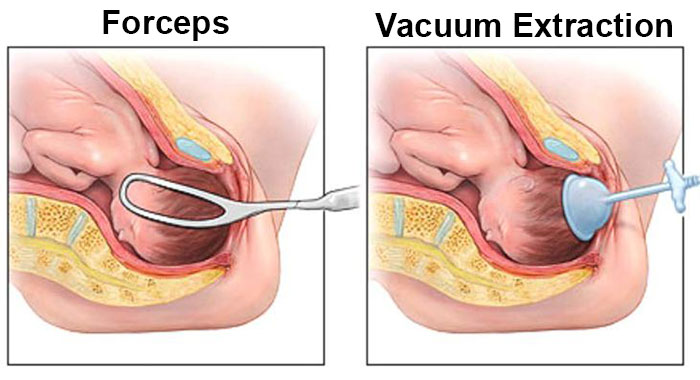
Birth trauma can result in several injuries to the baby’s brain. Such injuries can include an intracranial hemorrhage (brain bleed) or cephalohematoma (buildup of blood underneath the baby’s scalp).
About Traumatic Birth Injuries
Neonatal Infections

In rare cases, untreated neonatal infections can spread to the brain and damage critical structures within it. This can happen when an infection develops into neonatal sepsis and causes encephalitis, which is inflammation of the brain tissue.
The majority of these birth injuries are preventable with proper monitoring and quick intervention. Sometimes, the negligence of an OB-GYN, nurse, midwife, or any other involved medical professional is what primarily causes the injury. When this results in long-term conditions such as delayed speech and language communication, it can count as medical malpractice.Did a Birth Injury Cause My Child’s Speech Impairment?
A child diagnosed with a brain injury at birth will likely face physical challenges or disabilities throughout their life. Speech and language impairments are common obstacles that many survivors of birth injuries endure and overcome during early childhood. Parents deserve to know whether these birth injuries that caused communication impairments were preventable.

Birth injury negligence, can play a role in a child’s brain injury that leads to these communication struggles. This can include failing to monitor fetal heart rates or unintentionally causing a traumatic birth injury by using excessive force. It can also include negligence after birth when healthcare providers fail to refer a speech-impaired child to a specialist.
If a family believes medical negligence contributed to a child’s brain damage at birth, legal support may be an option. A specialized birth injury attorney can review the medical records and circumstances to assess whether a claim exists.
Families who have experienced the effects of brain injuries deserve to know whether better medical care could have prevented them. Our top rated birth injury lawyers will help you find those answers and obtain the necessary funds to secure treatment.
Our team at Miller Weisbrod Olesky will thoroughly investigate the facts, holding responsible parties accountable by pursuing medical malpractice claims.
What Is the Statute of Limitations in a Birth Injury Lawsuit?

A statute of limitations is a law that sets a time limit on how long an injured person has to file a lawsuit after an accident. It is essential to understand that statutes of limitations vary based on the case and the state where you file. For instance, the deadline for birth injury claims is typically different from other claims, such as injury to private property.
Generally, the clock starts ticking on the date the injury occurred. However, there are exceptions to this rule. In some cases, the statute of limitations starts when a person discovers or reasonably should have discovered an injury. When dealing with government agencies, SOLs can become even more complex.
For example, if the party that injured you was:
- A federal employee
- Employed by a military hospital, Veterans Administration facility, or a federally funded medical entity
You may need to file a birth injury claim under the Federal Tort Claims Act (FTCA). In FTCA cases, claimants must go through certain administrative procedures before filing a lawsuit. In some states, you may have less time to give notice if:
- The negligent party was a local or state government hospital.
- The doctors and medical providers are employees of a governmental entity.
If you file your case outside of the statute of limitations, the court will typically dismiss it. This means you will not be eligible to recover compensation for you or your child’s injuries.
Determining when a statute of limitations begins on your case can be tricky. If you are considering pursuing compensation for a birth injury, contact an attorney as soon as possible.
How Can Our Birth Injury Attorneys Help?
Cerebral Palsy Related Speech Impairments can sometimes be one of the long-term consequences of preventable birth injuries. However, it takes an expert review of the facts of their birth to determine whether medical professionals made preventable errors.
Our Process
Our team of nationwide top rated birth injury attorneys, nurses and paraprofessionals works to answer these questions and seek compensation. We use our detailed medical negligence case review process to assess your potential birth injury case.
We start by learning more about your child by gathering records to determine what happened during and after their birth. This includes a detailed review of the treatment doctors provided or failed to provide during prenatal testing appointments.
We will call in skilled medical experts who review your records and provide insight into where medical professionals went wrong. If we feel medical negligence caused or worsened your child’s brain injuries, we meet with you to discuss further.
At no point in our legal intake process will we ask you to pay anything. The medical review of your case and the consultation are free. We only receive payment once you do. The sooner you reach out, the sooner we can investigate your case and gather the evidence to support your claim.
We work on a contingency fee basis, meaning you will not pay any legal fees until we win your case. We do not purse any medical malpractice cases unless we fully believe we can win.
Contact us today to schedule your free consultation by calling our toll-free line at (888) 987-0005. You can also reach us by filling out our online request form.
National Birth Injury Law
Our National Birth Injury Attorneys, nurses, and support staff understand that parents of children with birth injuries feel overwhelmed. So, every client has the attention and support of a team of trained, compassionate professionals. But we don’t just offer compassion.
We offer a process to help you discover whether your child’s birth injury, HIE, cerebral palsy or brain injury at birth was caused by medical malpractice.
Call our offices today at (888) 987-0005 for experienced assistance in a free consultation.
Quick Links
Testimonials
- Lyric C. I feel like our voice was heard in a sense of what can possibly go wrong in a delivery and finding us answers. I feel with our settlement, we are now in a comfortable position to provide for our son.
- Lyssa L. They are not just people that say “hey let's get you money and let's go” The law firm was very thorough with us. It was awesome. I don't want to cry, because I think about and it's amazing that they were able to help me and that we were able to help my son and get the story out there.
- Jay C. Throughout the process, one thing was clear to us, the ultimate interest of our child was the utmost concern of Max and his team and as parents navigating a situation like that, that was refreshing to know we had them firmly on our side. I highly recommend them.
Popular Cities
- ★ Dallas Birth Injury
- ★ Houston Birth Injury
- ★ Atlanta Birth Injury
- ★ Chicago Birth Injury
- ★ Philadelphia Birth Injury
Locations
★ Dallas
11551 Forest Central Drive, Ste. 300
Dallas, TX 75243
★ Houston
12929 Gulf Freeway, Ste. 111
Houston, TX 77034