Cerebral Palsy Dysarthria
Dysarthria in Children With Cerebral Palsy
Speaking and forming words requires a complex muscle movement that most people without disabilities take for granted. Unfortunately, some children with cerebral palsy endure neurological brain injuries that impair motor function and control over their vocal cords. This results in their speech coming out slurred or unclear. This speech impairment is called dysarthria.

Babies and young children with cerebral palsy who suffer from dysarthria can face many physical and social challenges. The goal of this page is to help parents understand the challenges of this cerebral palsy symptom They can also learn more about how birth injury treatment and therapy plans can assist with this condition.
Birth Injury Malpractice Attorneys
Our top rated birth injury attorneys specialize in identifying how medical errors lead to brain damage at birth. If your child suffers from cerebral palsy symptoms stemming back to preventable birth injuries, don’t hesitate to contact our firm. We can answer difficult legal and medical questions and investigate the facts on your behalf.
Free Legal Consultation
Birth Injury Lawyers
(888) 987-0005Our Birth Injury Lawyers are available to meet you in your home or the hospital.
Our vast network of medical experts and in-house nursing staff and nurse-attorneys gives us the edge over our competition. When we take your case, we assign you with an entire medical team. This team not only consists of attorneys but also nursing advocates and medical experts.
Your team is available to assist with any day-to-day treatment you or your child may need. This includes assistance with medical records, scheduling doctors’ appointments, providing transportation, and any other problems that may arise.
We offer all of this on a contingency fee basis. This means you will not pay any fees until after we win your case and secure a settlement. Miller Weisbrod Olesky’s unmatched track record of birth injury results sets us apart from other birth injury law firms.

Recent Birth Injury Settlement:
Birth Injury settlement against a hospital in which nurses and physicians failed to properly monitor the mother's blood pressure during delivery causing an HIE event resulting in neonatal seizures and cerebral palsy at birth. Our team of top-rated birth injury lawyers recovered $13,750,000 for the family to help with future medical expenses and developmental therapy.
What is Dysarthria?
Dysarthria is a speech disorder stemming from some degree of paralysis affecting the muscles required to formulate sounds and words.

Dysarthria is a common symptom for all types and classifications of cerebral palsy.
Children with cerebral palsy undergo neurological brain damage at birth that weakens their ability to control muscle movement. This can extend to the muscles they engage for speech like the tongue, vocal cords, voice box (larynx), and jaw.
It’s important to note that dysarthria doesn’t prevent children from understanding speech. Oftentimes children with dysarthria will know exactly what they want to say and how to say it. The issue lies with them lacking the necessary motor control to get their words out properly.
What Causes Dysarthria?
Like with cerebral palsy causes, dysarthria in children stems from birth trauma to the brain. This can occur either during pregnancy or from labor and delivery complications like birth asphyxia or a birth-related head injury.
Spinal cord injuries at birth can also cause cerebral palsy and related dysarthria symptoms. These injuries can happen from complications like shoulder dystocia or doctors misusing forceps and vacuum extractors during an assisted delivery.
Types of Dysarthria
There are more types of dysarthria. Each type will affect the sound of the child’s voice in distinct ways, depending on the location of the brain and the injury that’s causing it. These types include:
Flaccid Dysarthria
This type of dysarthria stems from motor damage to the lower motor neurons in the peripheral nervous system. It causes the child’s speech to sound overly breathy and nasally. Children with flaccid dysarthria will typically have either spastic cerebral palsy or a mixed type.
Spastic Dysarthria
Spastic dysarthria is the result of damage to the upper motor neurons in the brain. It can cause the child’s speech to sound raspy, harsh and/or strained. As the name implies, this type of dysarthria is associated with spastic cerebral palsy.
Ataxic Dysarthria
Just like with ataxic cerebral palsy, this type of dysarthria stems from damage to the cerebellum. This is the part of the brain that mainly helps to coordinate muscle movement. Children with this type of dysarthria have extra difficulty placing emphasis on the right parts of words when they speak.
Hypokinetic Dysarthria
Hypokinetic dysarthria can cause a child’s speech to sound monotone, rigid, and slower in cadence than average. It stems from damage to the basal ganglia in the brain. Along with hyperkinetic dysarthria, children with dyskinetic cerebral palsy are most likely to have this subtype.
Hyperkinetic Dysarthria
This type is the inverse of hypokinetic dysarthria. Hyperkinetic dysarthria also stems from basal ganglia damage and causes a child’s speech to sound fast and unpredictable. Along with hypokinetic dysarthria, children with dyskinetic cerebral palsy are most likely to have this subtype.
Mixed Dysarthria
Doctors diagnose children with mixed dysarthria when their speech symptoms resemble more than one of the other types. It typically coincides with a mixed cerebral palsy diagnosis when multiple parts of the brain sustain damage at the same time.
Medical professionals will need to identify the type of brain injury that’s causing a child’s dysarthria to diagnose each subtype. They can achieve this using neuroimaging technology such as an MRI or cranial ultrasound.
What Are the Complications of Dysarthria?
Dysarthria itself is not painful to the child, but it can cause muscle spasms in the mouth that are uncomfortable. Additionally, a swallowing disorder known as dysphagia can often accompany dysarthria as a related condition.
When a baby has dysphagia, it can complicate their ability to feed and may necessitate a newborn G-tube insertion. The baby may need to receive food, fluids, and medications through the G-tube until they grow enough to start treatments.

Babies with swallowing disorders will also have a more challenging time breathing on their own. They may require additional monitoring and assistance with ventilation so they don’t go into respiratory distress.
Respiratory distress syndrome is more common for premature infants with underdeveloped lungs. However, babies with dysphagia are also at risk for hyperventilating when they cannot control the muscles in their throat.
Young children with dysarthria will likely show delayed developmental milestones when it comes to communication. They likely will be slower to say their first words and may have trouble communicating their needs.
These communication struggles can progress into later childhood. Speech language pathology research suggests children with dysarthria are less likely to participate in social settings. Researchers believe this is due to their inability to fully express their thoughts and feelings like their peers can.
This can lead to psychological challenges and feelings of sadness and discontent at school and other social settings.

How to Diagnose Dysarthria
Doctors will typically diagnose a child with dysarthria in early childhood. If the child has a brain injury at birth like hypoxic ischemic encephalopathy, they are more likely to develop dysarthria. Healthcare providers should inform the parents of the risk of a later cerebral palsy diagnosis and the potential complications.

A child’s cerebral palsy symptoms will become more visible as they get older. This can include being unable to control certain muscle movements or refraining from saying their first words and sentences.
If a child has delayed communicative developmental milestones, they may need to see a specialist.
A licensed speech-language pathologist will be able to conduct a physical examination of the child to diagnose dysarthria. They will examine the child’s breathing, their voice, and their facial features such as the lips, tongue and face.
They may ask the child to make facial expressions like smiling, sticking out their tongue, or puckering their lips. They will also examine the sound and cadence of the child’s speech by making them read or repeat certain sounds.

Medical professionals are also able to use neuroimaging technology to identify exactly which part of the brain is causing dysarthria. Tests may include an MRI, CT scan, or a cranial ultrasound. These tests can narrow down which specific type of dysarthria the child has.
Medical professionals may also conduct swallowing tests to identify and diagnose any possible swallowing disorders that accompany dysarthria. The most common diagnostic test for this is the videofluoroscopic swallowing study test. This type of examination provides X-ray images of the esophagus for a specialist to evaluate.
How to Treat Dysarthria
A combination of treatment methods can assist children in speaking and improving their communication skills over time.
Speech Therapy
The most prevalent and effective treatment for a child’s dysarthria is speech therapy.

Speech and language therapy can help children with cerebral palsy strengthen the muscles involved in speech and oral motor skills. Over time, speech therapy exercises will improve the child’s ability to communicate, chew, and swallow.
For dysarthria specifically, the primary focus will be to strengthen and exercise control over the muscles involved in speaking. This will include drills to strengthen the tongue, the lips, and the jaw muscles. It may also include strategies to improve breath control and incorporating nonverbal communication signals like gesturing and writing.
Cerebral Palsy Communication Devices
Some children will have dysarthria that is too severe to regain control over these muscles. In these cases, the specialist may recommend using augmentative and alternative communication devices to help facilitate speech.

Alternative communication devices may include manual and electronic communication boards or voice output communication aids (VOCA). These tools can be incredibly helpful for children (and especially young children) with dysarthria who cannot clearly express their needs.
Sometimes the use of these alternative communication devices may not be permanent. However, they can still be helpful aids for the child as they strengthen their oral motor skills in speech therapy.
About CP - Communication Devices
When babies are born with signs of brain damage at birth, the healthcare provider must prepare the family’s expectations. They should inform the family of the possibility that their child may require these types of birth injury treatment.
Did Medical Mistakes Cause My Child’s Cerebral Palsy?
Children with brain injuries that cause cerebral palsy will likely face a number of different physical challenges throughout their life. Dysarthria is a common cerebral palsy symptom that can complicate a child’s communication development. Parents deserve to know when complications like dysarthria occur because of injuries that better medical care could have prevented.

Medical negligence includes missing pregnancy complications, failing to properly monitor fetal heart rates, or needlessly delaying C-sections. These errors can all play a role in causing a child’s brain injury that leads to dysarthria. Negligence can also occur after birth, when healthcare providers miss birth complications or fail to refer a family to a specialist.
If a family believes medical negligence contributed to a child’s brain damage at birth, legal support may be an option. A top rated birth injury attorney can review the medical records and circumstances to assess whether a claim exists.
Families who have experienced the effects of brain injuries deserve to know whether better medical care could have prevented them. Our top rated birth injury lawyers will help you find those answers and obtain the necessary funds to secure treatment.
Our team at Miller Weisbrod Olesky will thoroughly investigate the facts, holding responsible parties accountable by pursuing medical malpractice claims.
What is the Statute of Limitations in a Birth Injury Lawsuit?

A statute of limitations (SOL) is a law that sets a time limit on how long an injured person has to file a lawsuit after an accident. It is essential to understand that statutes of limitations vary based on the case and the state where you file. For instance, the deadline for birth injury claims is typically different from other claims, such as injury to private property.
Generally, the clock starts ticking on the date the injury occurred. However, there are exceptions to this rule. In some cases, the statute of limitations starts when a person discovers or reasonably should have discovered an injury. When dealing with government agencies, SOLs can become even more complex.
For example, if the party that injured you was:
- A federal employee
- Employed by a military hospital, Veterans Administration facility, or a federally funded medical entity
You may need to file a birth injury claim under the Federal Tort Claims Act (FTCA). In FTCA cases, claimants must go through certain administrative procedures before filing a lawsuit. In some states, you may have less time to give notice if:
- The negligent party was a local or state government hospital.
- The doctors and medical providers are employees of a governmental entity.
If you file your case outside of the statute of limitations, the court will typically dismiss it. This means you will not be eligible to recover compensation for you or your child’s injuries.
Determining when a statute of limitations begins on your case can be tricky. If you are considering pursuing compensation for a birth injury, contact an attorney as soon as possible.
How Can Our Birth Injury Attorneys Help?
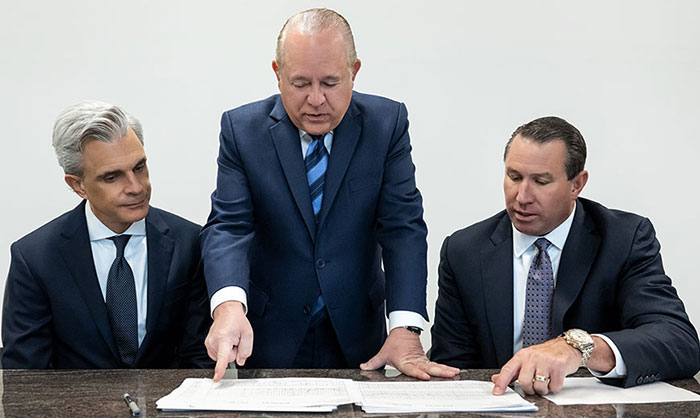
A detailed expert review of the facts and circumstances of your pregnancy and your child's birth can reveal many things. Namely, it can determine whether a child’s cerebral palsy diagnosis and related complications came as the result of medical malpractice.
Our Process
Our team of committed birth injury attorneys, nurses and paraprofessionals works to answer these questions and seek compensation. We use our detailed medical negligence case review process to assess your potential birth injury case.
We start by learning more about your child by gathering records to determine what happened during and after their birth. This includes a detailed review of the treatment doctors provided or failed to provide during prenatal testing appointments.
We will call in skilled medical experts who review your records and provide insight into where medical professionals went wrong. If we feel medical negligence caused or worsened your child’s brain injuries, we meet with you to discuss further.
At no point in our legal intake process will we ask you to pay anything. The medical review of your case and the consultation are free. We only receive payment once you do. The sooner you reach out, the sooner we can investigate your case and gather the evidence to support your claim.
We work on a contingency fee basis, meaning you will not pay any legal fees until we win your case. We do not purse any medical malpractice cases unless we fully believe we can win.
Contact us today to schedule your free consultation by calling our toll-free line at (888) 987-0005. You can also reach us by filling out our online request form.
Contact National Birth Injury Lawyers
National Birth Injury Law
Our National Birth Injury Attorneys, nurses, and support staff understand that parents of children with birth injuries feel overwhelmed. So, every client has the attention and support of a team of trained, compassionate professionals. But we don’t just offer compassion.
We offer a process to help you discover whether your child’s birth injury, HIE, cerebral palsy or brain injury at birth was caused by medical malpractice.
Call our offices today at (888) 987-0005 for experienced assistance in a free consultation.
Quick Links
Testimonials
- Lyric C. I feel like our voice was heard in a sense of what can possibly go wrong in a delivery and finding us answers. I feel with our settlement, we are now in a comfortable position to provide for our son.
- Lyssa L. They are not just people that say “hey let's get you money and let's go” The law firm was very thorough with us. It was awesome. I don't want to cry, because I think about and it's amazing that they were able to help me and that we were able to help my son and get the story out there.
- Jay C. Throughout the process, one thing was clear to us, the ultimate interest of our child was the utmost concern of Max and his team and as parents navigating a situation like that, that was refreshing to know we had them firmly on our side. I highly recommend them.
Popular Cities
- ★ Dallas Birth Injury
- ★ Houston Birth Injury
- ★ Atlanta Birth Injury
- ★ Chicago Birth Injury
- ★ Philadelphia Birth Injury
Locations
★ Dallas
11551 Forest Central Drive, Ste. 300
Dallas, TX 75243
★ Houston
12929 Gulf Freeway, Ste. 111
Houston, TX 77034