Incompetent Cervix
What is an Incompetent Cervix?
The cervix is the narrow muscular channel in the lower portion or "neck" of the uterus. It connects the top of the vagina (birth canal) to the main body of the uterus (womb).
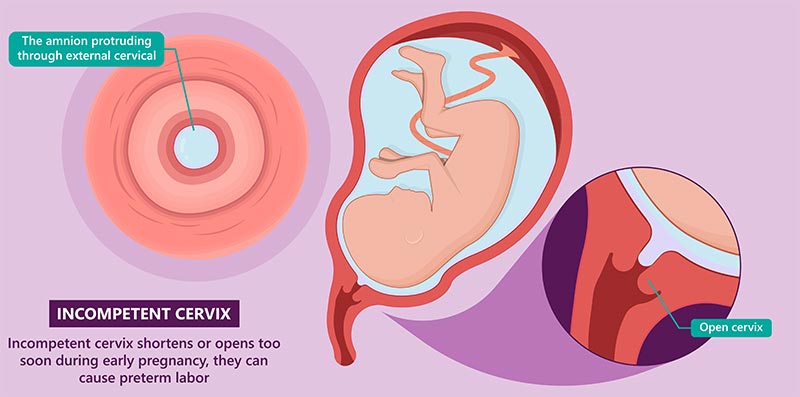
The cervix protects the unborn baby by keeping it safe and secure in the uterus. An incompetent cervix (or cervical insufficiency) is where weak cervical tissue opens too soon. “Too soon” refers to any time before the mother’s water breaks.
However, the condition is riskier the earlier it appears in the mother’s pregnancy. A prematurely thinning cervix can cause or contribute to premature birth, a miscarriage, or a stillborn delivery.
A mother with a short or incompetent cervix needs extra monitoring during pregnancy. Doctors can recommend preventive medication and perform frequent ultrasounds when they suspect a weak cervix in pregnancy. In extreme cases, they may even opt to perform a procedure that surgically closes the cervix.
Improper care and missing the signs of complications can lead to a mother’s avoidable preterm delivery. Premature newborns have a higher risk for cerebral palsy, HIE, respiratory distress syndrome, seizure disorders, and developmental delays.
When a doctor fails to diagnose or properly treat a mother’s insufficient cervix, it may constitute medical malpractice.
Birth Injury Malpractice Attorneys
Our top rated birth injury lawyers help families seek justice and compensation for preventable injuries to mothers or their babies during childbirth. If you or your baby suffered preventable harm from an avoidable preterm birth, don’t hesitate to contact our firm. We can answer difficult legal and medical questions and investigate the facts on your behalf.
Free Legal Consultation
Birth Injury Lawyers
(888) 987-0005Our Birth Injury Lawyers are available to meet you in your home or the hospital.
Our vast network of medical experts and in-house nursing staff and nurse-attorneys gives us the edge over our competition. When we take your case, we assign you with not just an attorney but an entire medical team. This team includes attorneys, experienced nursing advocates, and seasoned medical experts.
Your team is available to assist with any day-to-day treatment you or your child may need. This includes assistance with obtaining medical records, scheduling doctors’ appointments, providing transportation, and any other problems that may arise.
We offer all of this on a contingency fee basis. This means you will not pay any fees until after we win your case and secure a settlement. We have an unmatched track record of birth injury results that sets us apart from other birth injury law firms.

Recent Birth Injury Settlement:
Birth Injury settlement against a hospital in which nurses and physicians failed to properly monitor the mother's blood pressure during delivery causing an HIE event resulting in neonatal seizures and cerebral palsy at birth. Our team of top-rated birth injury lawyers recovered $13,750,000 for the family to help with future medical expenses and developmental therapy.
What Causes Cervical Incompetence?

Babies put more and more pressure on the cervix as they grow in the womb.
Cervical incompetence most commonly occurs when it is too weak to withstand the baby's weight. This can be because of structural abnormalities that make the cervix weaker than normal. The cervix may also be weaker after injuries or trauma from a mother’s previous births.
Risk Factors for Cervical Incompetence
Risk factors that contribute to weaker cervical tissue include:
- Being born with an irregularly shaped or naturally short cervix
- Hormonal factors (like the overproduction of prostaglandins) that soften the cervix before labor
- Genetic conditions like Ehlers-Danlos syndrome that weaken connective tissue in the body
- Multiparity (having more than one previous birth)
- A history of preterm delivery or miscarriages
- Labor with twins or expecting multiples (triplets, etc.)
- Uterine fibroids that affect the shape or structure of the uterus
- Repeated cervical procedures like Loop Electrosurgical Excision Procedure (LEEP) or dilation and curettage (D&C)
- Exposure to Diethylstilbestrol (DES), a synthetic form of estrogen that helps prevent complications during pregnancy
Healthcare providers must thoroughly review the mother’s medical history during prenatal testing for these risk factors. Missing risk factors can delay or prevent cautionary measures that protect the baby from potential birth injuries.
Doctors may recommend a C-section or using labor inducing medications to prevent miscarriage or premature birth. If a physician fails to intervene with the appropriate medical treatment, it could have tragic consequences.
What Are Symptoms of Cervical Incompetence?

Many cases of pregnancy with incompetent cervix come with very few symptoms. The mother often experiences mild abdominal cramps or even no symptoms at all.
While cervical insufficiency frequently presents as asymptomatic, subtle warning signs can appear between 14 and 20 weeks of pregnancy.
Cervical Incompetence Warning Signs
Expecting mothers should contact their doctor if they notice a combination of the following warning signs:
- Light spotting or bleeding during pregnancy that seems like it's from a period
- Repeated discomfort or cramps
- Pelvic pressure or pain
- Back pain
- Unusual changes in vaginal discharge
- Braxton-Hicks like contractions (“false labor” contractions occurring before a mother’s water breaks)
These signs and symptoms are common during pregnancy, even for mothers without cervical incompetence. Doctors cannot diagnose an insufficient cervix based on symptoms alone. However, they can be the mother’s first indication that she needs further testing for complications.
How is Cervical Incompetence Diagnosed?
There is currently no definitive test to diagnose an incompetent cervix. The diagnostic process typically involves a physician reviewing the mother’s medical history and performing a physical exam

Reviewing Patient History
A doctor will ask questions about the mother’s health, pregnancy symptoms, and whether she’s had any miscarriages or premature births. Having one or more miscarriages or a history of preterm birth is a strong indicator of cervical incompetence.
Physical Exam
Medical professionals may perform a pelvic exam during the second or third trimester to check for an incompetent cervix.
An OB-GYN doctor will insert their hand into the mother’s birth canal to feel if her cervix has opened (dilated). They will also check whether the vaginal part of her cervix has shortened and thinned out (effaced). This will give them the strongest insight into the status of the mother’s cervix.
Additional Tests
Doctors cannot always detect cervical insufficiency in the early stages with pelvic exams.

For at-risk mothers, a doctor may order regular transvaginal ultrasounds to monitor the cervix’s length. This can help them take precautions if they see the cervix starting to shorten and open.
Physicians do not routinely check for cervical incompetence during pregnancy, which often leads to missed diagnoses.
Doctors must waste no time if an expecting mother is at risk for incompetent cervix and displaying any light symptoms. Delaying these important testing procedures can increase the risk for an unsafe premature birth.
How is Cervical Incompetence Treated?
When treating an incompetent cervix, the doctor's primary goal is to do all they can to prevent premature birth and minimize the risk of injury if preterm birth occurs.
Progesterone Treatment

Progesterone is a pregnancy hormone that helps cervical tissue maintain its strength. Taking additional progesterone can prevent premature contractions and reduce the risk of premature birth.
A doctor will typically recommend weekly injections between 16 and 20 weeks of pregnancy for at-risk mothers. They may also prescribe progesterone supplements to mothers with a short cervix, even when they have no history of prematurity.
Cervical Cerclage

Cervical cerclage involves stitching the cervix closed to prevent premature dilation. A surgeon will usually perform a cerclage procedure between 12-14 weeks of pregnancy. Doctors will remove the suture stitches around 36-37 weeks when the baby is close to term.
Some expecting mothers need an emergency cerclage in the third trimester to facilitate a full-term pregnancy. The procedure is generally safe and uncomplicated.
However, some possible complications of this procedure can include:
- Uterine Rupture
- Bladder Rupture
- Maternal Hemorrhage
- Cervical Lacerations
- Preterm Labor
- Premature Rupture of Membranes
Despite the risk for birth complications, medical professionals still routinely recommend cerclage as a low-risk treatment method for cervical insufficiency.
How to Treat Cervical Incompetence Naturally?
There are currently no “natural” remedies for cervical insufficiency supported by science. Genetic factors play a strong part in determining a mother’s risk. This means that lifestyle choices alone cannot fully protect her from experiencing cervical issues.
While there are no specific methods for effectively preventing cervical incompetency, a mother can reduce her risk of complications by:
- receiving regular prenatal care
- eating a healthy diet
- managing their weight
- avoiding risky substances such as alcohol
A medical professional can carefully evaluate which treatment would work best for an expecting mother with cervical issues. Failing to consider or utilize these treatment options can increase the risk for dangerous premature birth and resulting birth injuries.
What Injuries Can Occur from Premature Birth?

A child born prematurely will often have underdeveloped organs, including their brain, heart, and lungs. This increases their risk of birth injuries, particularly brain injuries like hypoxic ischemic encephalopathy (HIE) that lead to cerebral palsy.
Cerebral Palsy (CP)

According to researchers, premature babies make up between 33% and 50% of all cases of cerebral palsy.
Research studies suggest that up to 15% of all babies born between 24 and 27 weeks of pregnancy may develop cerebral palsy. This is why antenatal and postnatal care for premature babies should be a critical component of cerebral palsy prevention strategies. Examples of this type of care include neonatal resuscitation and therapeutic hypothermia (brain cooling) treatment.
Hypoxic Ischemic Encephalopathy (HIE)

HIE is a severe brain injury caused by a lack of blood flow (ischemia) and oxygen (hypoxia) shortly before birth. For premature infants, HIE is a symptom in approximately 60% of live births.
Premature babies have a higher risk for intracranial hemorrhages (brain bleeds) and other issues with blood flow to the brain. These problems can lead to HIE and cause newborns to experience developmental delays, cognitive impairments, seizures, and other related complications.
Intraventricular Hemorrhage (IVH)

Intraventricular hemorrhages are a type of intracranial hemorrhage that stems from blood vessels bursting in the brain. They are most common in premature babies with low birth weights (less than 3 pounds 5 ounces).
The injury is more common with prematurity because of the baby’s undeveloped and incredibly fragile cerebral blood vessels.
When bleeding in and around the infant's brain ventricles occurs, it can lead to:
- Neurodevelopmental disorders
- Slow heart rate (bradycardia)
- Speech impairments
- Learning and behavioral difficulties in early childhood
Respiratory Distress Syndrome (RDS)

Preterm babies often have underdeveloped lungs, immune systems, and digestive systems. Their lungs typically lack surfactant, a slippery liquid in the lungs that helps air sacs expand. Without it, the alveoli (air sacs) deflate and collapse from the inability to take in airflow.
For this reason, a preterm baby with underdeveloped lungs is at a high risk for respiratory distress syndrome. Long-term effects of RDS include an increased likelihood of developing asthma and a higher risk for respiratory infections like pneumonia.
Neonatal Infections

Unlike full-term babies, a premature baby's immune system lacks the antibodies to fight off bacteria, viruses, and fungi. Preterm infants born with immature immune systems have an increased risk of contracting neonatal infections. These pathogens can make the baby sick and increase the risk of further birth complications.
Intellectual and Developmental Delays

Babies born prematurely miss important brain development stages in the later weeks of pregnancy. The earlier a baby is born, the higher the risk of them suffering from cognitive and developmental challenges because their brain does not have the time it needs to mature before birth.
Did Doctors Miss My Pregnancy Complications?

Missing pregnancy complications like an incompetent cervix can lead to dangerous premature birth. This can lead to labor and delivery complications, miscarriages, stillbirth, or life-altering birth injuries for the newborn.
If obstetricians and other healthcare providers suspect cervical insufficiency, they have a responsibility to closely monitor an expecting mother. They must assess potential risk factors and perform necessary diagnostic procedures like a pelvic exam or transvaginal ultrasound.
An obstetrician must waste no time if they uncover signs of early dilation, softening, shortening, or thinning of the cervix. They should recommend progesterone treatment or sew the cervix closed with stitches (cerclage) to prevent adverse outcomes.
A medical professional may be liable for medical negligence if they neglect signs of this condition in early pregnancy. Examples of medical negligence that can endanger the pregnancy of a woman with cervical insufficiency:
- Failing to obtain and assess a mother’s medical history during prenatal testing check-ups, leading to missed risk factors
- Failing to order an ultrasound or conduct a pelvic exam to diagnose cervical insufficiency in a timely manner
- Failing to manage the condition with preventative measures or treatment
- Failing to monitor a mother with an incompetent cervix throughout her pregnancy
If you believe mismanagement of your cervical insufficiency harmed you or your baby, contact one of our birth injury attorneys. We can help you determine the strength of your case and explain your legal rights and options.
Families who have experienced the effects of birth injuries from negligent medical care deserve to know whether they were avoidable. Our birth injury lawyers help you seek justice and compensation for preventable injuries by proving medical negligence occurred. We handle birth injury medical malpractice cases involving birth injuries to babies and for mothers injured from mismanaged pregnancy complications.
What is the Statute of Limitations in a Birth Injury Case?

A statute of limitations (SOL) is a law that sets a time limit on how long an injured person has to file a lawsuit after an accident.
It is essential to understand that statutes of limitations vary based on the case and the state where you file. For instance, the deadline for birth injury claims is typically different from other claims, such as injury to private property.
Generally, the clock starts ticking on the date the injury occurred. However, there are exceptions to this rule. In some cases, the statute of limitations starts when a person discovers or reasonably should have discovered an injury. When dealing with government agencies, SOLs can become even more complex.
For example, if the party that injured you was:
- A federal employee
- Employed by a military hospital, Veterans Administration facility, or a federally funded medical entity
You may need to file a birth injury claim under the Federal Tort Claims Act (FTCA). In FTCA cases, claimants must go through certain administrative procedures before filing a lawsuit.
In some states, you may have less time to give notice if:
- The negligent party was a local or state government hospital
- The doctors and medical providers are employees of a governmental entity
If you file your case outside of the statute of limitations, the court will typically dismiss it. This means you will not be eligible to recover compensation for you or your child’s injuries.
Determining when a statute of limitations begins on your case can be tricky. Our birth injury lawyers can help inform you of all the important filing cutoff dates in your state. We will help your family seek justice and compensation for preventable injuries to you or your baby.
How Can Our Birth Injury Attorneys Help?

Doctors can treat and prepare for a mother’s cervical incompetence with proper medical testing procedures and timely care. However, it takes an expert review of the facts of your birth to determine whether medical professionals made preventable errors.
Our Process
Our team of committed birth injury attorneys, nurses and paraprofessionals works to answer these questions and seek compensation. We use our detailed medical negligence case review process to assess your potential birth injury case.
We start by learning more about your pregnancy by gathering records to determine what happened before and during your delivery. This includes evaluating prenatal testing procedures and any preventative action taken to prevent preterm birth.
We will call in skilled medical experts who review your records and provide insight into where medical professionals went wrong. If we feel medical negligence caused your baby’s premature birth, we contact you to discuss further. We will help your family seek justice and compensation for preventable injuries by proving medical negligence occurred.
At no point in our legal intake process will we ask you to pay anything. The medical review of your case and the consultation are free. We only receive payment once you do. The sooner you reach out, the sooner we can investigate your case and gather the evidence to support your claim.
We work on a contingency fee basis, meaning you will not pay any legal fees until we win your case. We do not purse any medical malpractice cases unless we fully believe we can win.
Contact us today to schedule your free consultation by calling our toll-free line at (888) 987-0005. You can also reach us by filling out our online request form.
National Birth Injury Law
Our National Birth Injury Attorneys, nurses, and support staff understand that parents of children with birth injuries feel overwhelmed. So, every client has the attention and support of a team of trained, compassionate professionals. But we don’t just offer compassion.
We offer a process to help you discover whether your child’s birth injury, HIE, cerebral palsy or brain injury at birth was caused by medical malpractice.
Call our offices today at (888) 987-0005 for experienced assistance in a free consultation.
Quick Links
Testimonials
- Lyric C. I feel like our voice was heard in a sense of what can possibly go wrong in a delivery and finding us answers. I feel with our settlement, we are now in a comfortable position to provide for our son.
- Lyssa L. They are not just people that say “hey let's get you money and let's go” The law firm was very thorough with us. It was awesome. I don't want to cry, because I think about and it's amazing that they were able to help me and that we were able to help my son and get the story out there.
- Jay C. Throughout the process, one thing was clear to us, the ultimate interest of our child was the utmost concern of Max and his team and as parents navigating a situation like that, that was refreshing to know we had them firmly on our side. I highly recommend them.
Popular Cities
- ★ Dallas Birth Injury
- ★ Houston Birth Injury
- ★ Atlanta Birth Injury
- ★ Chicago Birth Injury
- ★ Philadelphia Birth Injury
Locations
★ Dallas
11551 Forest Central Drive, Ste. 300
Dallas, TX 75243
★ Houston
12929 Gulf Freeway, Ste. 111
Houston, TX 77034