Microcephaly
What is Microcephaly?
Microcephaly is a neurological condition in which the size of the baby’s head is much smaller than average. During pregnancy, as the baby’s brain develops, the size of the head also grows. Microcephaly may occur during pregnancy when the baby’s brain does not develop properly. In some cases, the baby’s brain development may stop after birth, which may also result in a smaller head size. Symptoms include developmental delays in speech and muscle functionality. In severe cases, there may be seizures.
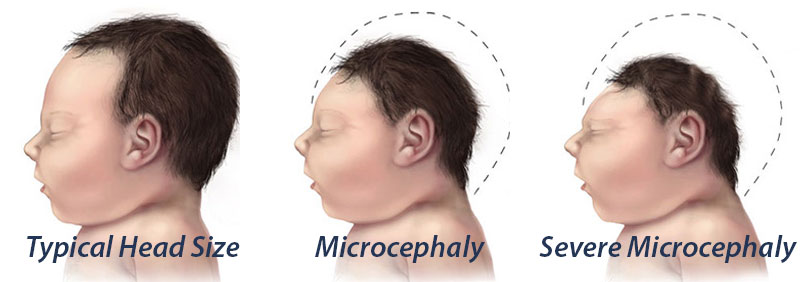
In the US, as many as one in 800 children may be born with microcephaly. When a medical provider fails to follow the prescribed procedures during a complicated pregnancy or does not take the necessary precautions during labor and delivery, the risk of microcephaly and other types of brain damage may increase.
If your baby has been diagnosed with microcephaly, you have a right to know whether medical negligence led to an otherwise healthy baby to develop this condition during pregnancy or childbirth. A microcephaly diagnosis could also be an indicator that your baby suffered from hypoxic-ischemic encephalopathy (HIE) around the time of birth, which may eventually lead to cerebral palsy.
Unless a rare genetic disorder is involved, severe microcephaly is usually preventable. It is important for the medical team to monitor the baby’s development and health throughout the pregnancy and labor. If the medical provider fails to note warning signs, fails to order or evaluate diagnostic tests correctly, or does not administer the appropriate treatment on time, the resulting consequences of microcephaly may constitute medical malpractice.
Complications Related to Microcephaly
In addition to a smaller head size, a baby with microcephaly could suffer from a range of serious medical conditions, depending on the timing and severity of microcephaly. These conditions may include:
- Seizures
- Low APGAR scores
- Intellectual disability
- Developmental delays
- Problems with balance and movement
- Feeding difficulties
- Hearing loss
- Vision loss
- Cerebral palsy
These complications are often permanent or even life-threatening with severe microcephaly because the baby’s brain is underdeveloped and small. It is often hard to predict at birth what type of complications the baby may develop due to microcephaly. Therefore, regular medical check-ups and monitoring of the baby’s growth and development should be undertaken by the medical providers.
Microcephaly Symptoms
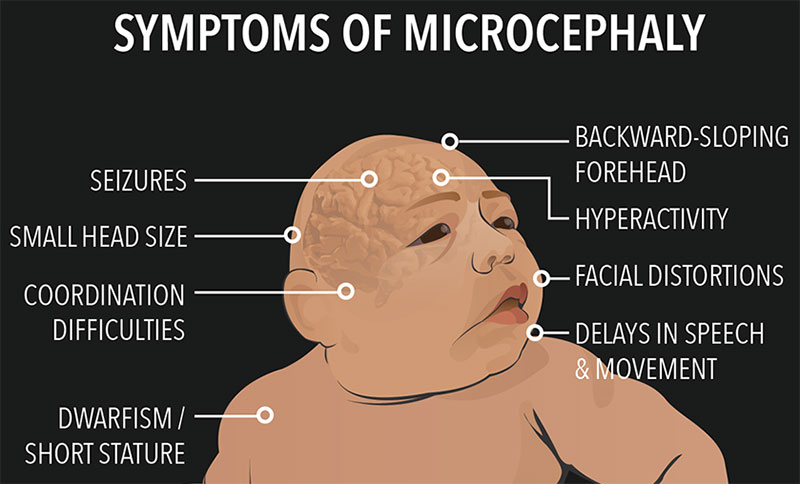
In addition to a conspicuously smaller size of the head, other common symptoms of microcephaly that the medical team should pay attention to at the time of birth and during follow-up visits include:
- Feeding issues (such as difficulty in swallowing)
- High-pitched cries
- Low APGAR scores
- Excessively active or overactive baby
- Vision or hearing problems
- Seizures or convulsions
- Abnormal increase in muscle stiffness or tone (spasticity)
- Intellectual disabilities (difficulties with learning)
- Developmental delays
As the baby’s physical growth and development occurs, the face continues to grow, but the skull’s growth stalls. As a result, the child may have the appearance of a relatively large face, a loose or wrinkled scalp, and a receding forehead. The rest of the body is also usually smaller than average and underweight.
What Causes Microcephaly?
Congenital Microcephaly
In rare cases, genetic defects may cause this condition during pregnancy, which is known as congenital microcephaly.
Acquired Microcephaly

Acquired microcephaly may occur due to one of these two major reasons:
- Brain Injury: If the baby’s brain suffers an injury or trauma during labor or delivery, it can cause severe hypoxia or oxygen deprivation in the baby’s brain. The resulting hypoxic-ischemic encephalopathy (HIE) may eventually contribute to the visible symptoms of microcephaly as the child grows, and may even lead to cerebral palsy.
- Maternal Infections: If the expecting mother is exposed to infections, such as rubella virus, cytomegalovirus (a type of herpes virus), and toxoplasmosis (a parasitic infection). In rare cases, Zika virus may also a maternal infection that causes microcephaly in the baby.
Diagnosing Microcephaly
Diagnosing Microcephaly During Pregnancy
In some cases, microcephaly may be diagnosed during pregnancy with an ultrasound test. When this condition is suspected, the medical provider should conduct an ultrasound exam in the late second trimester or early third semester.
Diagnosing Microcephaly After Birth
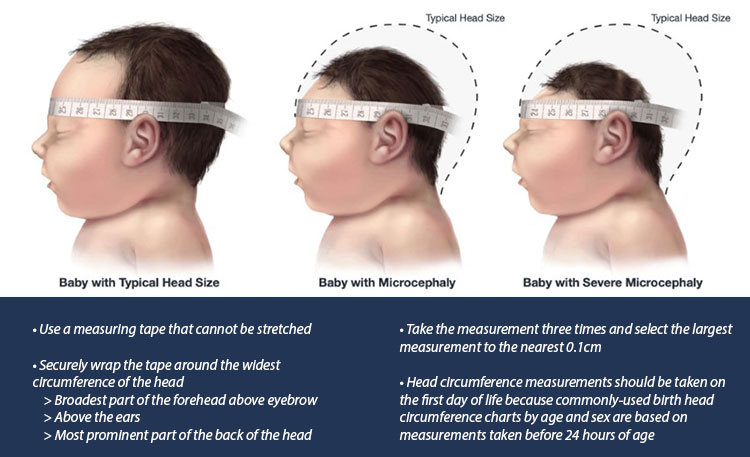
The medical provider can diagnose microcephaly after the baby is born by conducting a physical exam where the head circumference (distance around the baby’s head) is measured. The measurement results should be compared to the average population standards based on the baby’s age and sex.
The CDC provides standard growth charts for head circumference for newborns, infants and children up to 20 years of age. The CDC also recommends that medical providers in the US should use growth charts made available by the World Health Organization (WHO) to monitor the growth of babies in the age group of 0 to 2 years.
The measurements of the baby’s head circumference should be taken within 24 hours of birth because the reference growth charts are based on that. The critical part of the physical exam is careful and accurate measurement and documentation of the head circumference as soon as possible after birth.
When microcephaly is suspected, the medical provider may also order additional diagnostic tests, such as magnetic resonance imaging (MRI) to obtain key information related to the baby’s brain structure and signs of a potential brain injury or infection during pregnancy, labor, or delivery. If hypoxic-ischemic encephalopathy is diagnosed, a timely neuroprotective treatment such as hypothermia therapy can help limit the brain damage.
Treating Microcephaly
Microcephaly is usually a lifelong condition with no known standard treatment or cure. Based on this, the medical team should advise the parents to maintain regular follow-up visits to monitor the baby’s growth and development.
In case of potential complications, such as developmental delays, intellectual disabilities or cerebral palsy, early medical interventions, such as physical, occupational and speech therapy as well as the use of assistive devices can help. Medications or therapy for seizures and any other symptoms may also be required.
Is Your Child’s Birth Injury the Result of Medical Malpractice?
Parents whose children suffer from microcephaly related birth trauma or birth complications are entitled to answers as to the cause of their child’s injury and whether mistakes by the doctors and nurses contributed to the injury.
- Were there signs of birth injuries or birth complications during the pregnancy, labor, and delivery process, or presence of risk factors, which were either not recognized or properly treated?
- During the labor and delivery, were there clear indications that their baby was suffering from fetal distress, but appropriate actions were not taken by the obstetrician or nurses?
- Was there a delay in diagnosis of the microcephaly that led to later complications, including brain injury?
- Did the medical team fail to order a series of tests to diagnose this birth complication in a timely manner?
- Was the decision to perform a cesarean delivery delayed leading to birth trauma during vaginal delivery or labor?
- Did the neonatal resuscitation team fail to quickly begin important breathing support?
- Should brain cooling (also called “hypothermia therapy”) have been provided to your baby, but the doctors and nurses failed to perform the appropriate tests or ignored the results of the tests?
Our national birth injury attorneys have extensive experience in this and all areas of birth injury medical malpractice. The lawyers and nurses at Miller Weisbrod Olesky will help you determine if mistakes of the medical providers caused a birth injury to your child, including Hypoxic-Ischemic Encephalopathy (HIE) or cerebral palsy.
Our award-winning birth injury attorneys represent families all over the United States in their time of need after a birth injury. We use our experience and expertise to obtain for you and your child a medical malpractice settlement that will help provide specialized medical therapy in order to maximize the quality of life and independence of your child throughout their life.
Sometimes families are reluctant to contact a medical malpractice lawyer. It’s also not uncommon for parents to feel overwhelmed by the responsibilities they encounter in caring for their injured child and worried that they will not be able to help out in a lawsuit involving their child’s birth injury. Our birth injury attorneys and nursing staff will address these hesitations and concerns, so you can focus on your child and maximizing their care.
Registered Nurses and Nurse-Attorneys Are a Vital Part of Our Birth Injury Team…and Yours

Most birth injury law firms will employ one or two nurses to assist the review of cases and medical research. But Miller Weisbrod Olesky offers an unmatched number of nurses and nurse-attorney employees support to both the birth injury attorneys and our clients.
Our team of registered nursing staff and nurse-attorneys bring a deep level of medical and personal insight to every client’s case. Our nursing team includes both an experienced labor and delivery nurse as well as an ICU nurse. Working closely with the rest of the team, they investigate the reasons behind a birth injury and how medical professionals breached their standard of care.
Why Should You Talk with the Highly Capable Attorneys at Miller Weisbrod Olesky?

The only way to find out if you have a birth injury case is to talk to a lawyer experienced in birth injury lawsuits. It’s not uncommon that a birth related complication results in a preventable birth injury, including cerebral palsy, but it takes a detailed expert review by a birth injury attorney of the medical records from your child’s birth to determine if the birth injury was the result of medical malpractice.
At Miller Weisbrod Olesky, a team of committed lawyers, nurses and paralegals uses our detailed medical negligence case review process to assess your child’s potential birth injury case. We start by learning more about you and your child and the status of meeting/missing developmental milestones. Then we gather medical records to determine what happened before, during, and after your delivery. We call in skilled medical experts who review your records and let us know if they think medical errors could have caused your child’s injuries.
If we feel medical negligence caused or contributed to your child’s injuries, we meet with you to discuss how you can receive compensation from the medical professionals who made the errors. Our birth injury attorneys have recovered millions of dollars in settlements for families of children that have suffered a birth injury.
At no point in our legal intake process will we ask you to pay anything. The medical review of your case and the consultation are free. We only receive payment when you do.
Contact Our Birth Injury Lawyers
National Birth Injury Law
Our National Birth Injury Attorneys, nurses, and support staff understand that parents of children with birth injuries feel overwhelmed. So, every client has the attention and support of a team of trained, compassionate professionals. But we don’t just offer compassion.
We offer a process to help you discover whether your child’s birth injury, HIE, cerebral palsy or brain injury at birth was caused by medical malpractice.
Call our offices today at (888) 987-0005 for experienced assistance in a free consultation.
Quick Links
Testimonials
- Lyric C. I feel like our voice was heard in a sense of what can possibly go wrong in a delivery and finding us answers. I feel with our settlement, we are now in a comfortable position to provide for our son.
- Lyssa L. They are not just people that say “hey let's get you money and let's go” The law firm was very thorough with us. It was awesome. I don't want to cry, because I think about and it's amazing that they were able to help me and that we were able to help my son and get the story out there.
- Jay C. Throughout the process, one thing was clear to us, the ultimate interest of our child was the utmost concern of Max and his team and as parents navigating a situation like that, that was refreshing to know we had them firmly on our side. I highly recommend them.
Popular Cities
- ★ Dallas Birth Injury
- ★ Houston Birth Injury
- ★ Atlanta Birth Injury
- ★ Chicago Birth Injury
- ★ Philadelphia Birth Injury
Locations
★ Dallas
11551 Forest Central Drive, Ste. 300
Dallas, TX 75243
★ Houston
12929 Gulf Freeway, Ste. 111
Houston, TX 77034