Horner's Syndrome In Infants
What is Horner’s Syndrome in Infants?
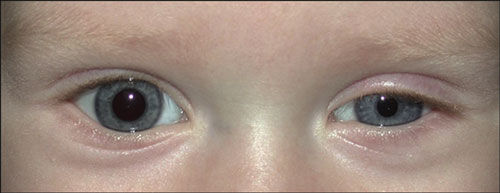
Horner’s syndrome is a neurological condition that affects the nerves of the eyes and face on one side of the body. It is caused by an underlying condition that damages the oculosympathetic nerve pathway, which runs through the brainstem to the face and eyes.
This condition is rare and can affect adults and infants for different reasons. Horner’s syndrome at birth is congenital, and in older children or adults it is acquired. In infants, Horner’s syndrome is usually caused by birth trauma or injury. In adults, stroke, head injuries, tumors, and more can cause damage to the sympathetic nerves.
What Are the Three Types of Horner’s Syndrome?
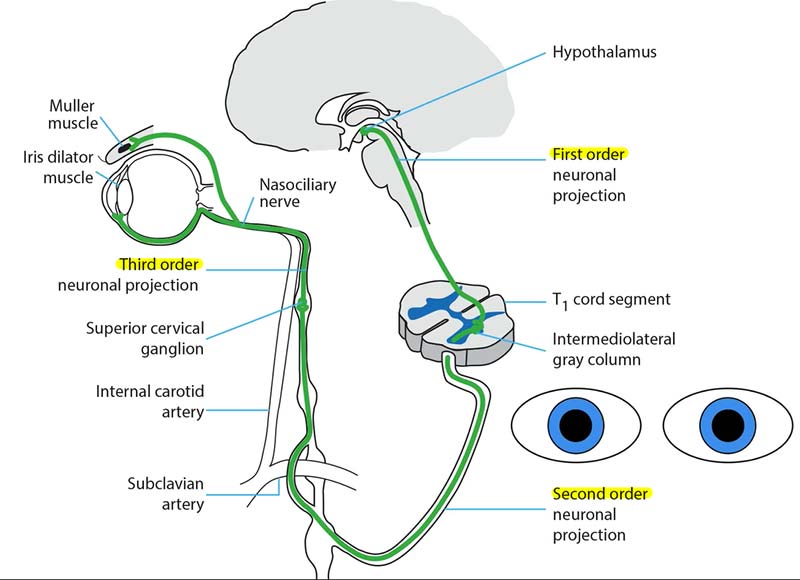
The oculosympathetic pathway is a chain of three neurons (nerve cells) that begin in the hypothalamus (structure of brain) and end in the eye. Nerve disruption can occur in any of these three pathways depending on the underlying condition
Infants can experience damage to any of the three pathways but are more prevalently affected by second-order Horner’s syndrome. The terms “first-, second-, and third order” describe the location at which nerves are disrupted.
First-Order (Central) Horner’s Syndrome
The first-order neurons originate in the hypothalamus and descend through the brainstem and spinal cord. Damage of this nerve pathway can occur because of:
- A hypothalamic tumor
- Stroke
- Encephalitis (inflammation of the brain)
- Neck trauma
- Multiple sclerosis (MS)
- Spinal cord injury or syringomyelia (cyst on spinal cord)
- Demyelination (damage to protective cover of nerve cells in spinal cord and brain)
Second-Order (Pre-Ganglionic) Horner’s Syndrome
Second-order neurons follow through the upper chest, uppermost part (apex) of the lungs and along the neck’s carotid artery. Infants are more likely to experience damage or obstruction to this pathway, while adults are more likely to have first or third-order neuron damage. Damage of the second-order pathway can occur because of:
- Birth trauma to the neck or chest
- Tumors in upper part of the chest or lungs
- An abscessed tooth
- Lung cancer
- Brachial plexus injury (damage to nerves that extend down the shoulder, arm, and hand)
Third-Order (Post-Ganglionic) Horner’s Syndrome
Third-order neurons follow the carotid artery in the neck to the eye and middle ear. Damage to the third-order pathway can occur because of:
- Injury to the base of the skull
- Leison, dissection, trauma, or aneurysm of the carotid artery
- Shingles
- Middle ear infections
- Giant cell arteritis (inflammation of blood vessels)
- Migraine or cluster headaches
What Causes Horner’s Syndrome in Infants?
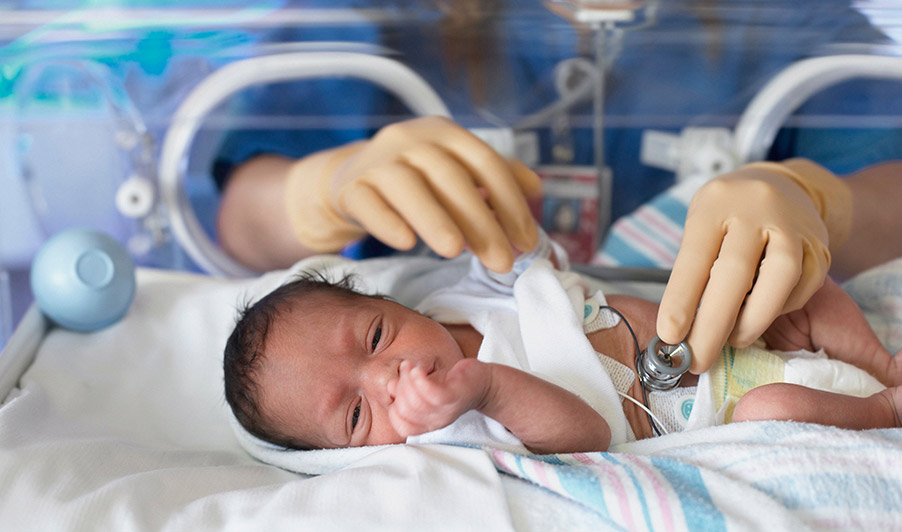
For adults, there are many factors that may cause Horner’s syndrome. However, in infants, Horner’s syndrome is typically caused by mechanical trauma to the head or neck. This physical trauma during birth can happen for several reasons.
Most commonly, birth trauma to the head and neck is caused by the misuse of assistive delivery tools and can increase the risk of Horner’s syndrome. Other reasons infants may experience damage to the sympathetic nerves include neuroblastoma, spine injury, brainstem lesions, and aorta defects at birth.
Birth Trauma
A baby suffers from “birth trauma” when they sustain any physical injury to their body during the birthing process. Mechanical forces like compression or traction during delivery can damage the baby’s nerve tissue, muscle tissue, or vital organs, resulting in a birth injury.
A mother’s contractions are powerful and cause significant pressure on the infant’s head that, in rare cases, damage sympathetic nerves. Uterine hyperstimulation, which is where a woman’s uterus contracts more frequently and/or forcefully than usual, may increase the risk of facial nerve damage as well.
Compression and traction can be naturally occurring, like during contractions as a baby exits through their mother’s narrow birth canal. Sometimes, however, compression and traction can come from external forces, such as the misuse of delivery tools like forceps and vacuum extractors.
Assisted Vaginal Delivery

Sometimes mothers are unable to deliver their babies because of birth complications that make natural vaginal delivery dangerous for both mom and baby. Physicians sometimes recommend assisted vaginal delivery to deliver a baby when unassisted delivery is unlikely or impossible.
Forceps and vacuum extraction are two types of equipment used for assisted vaginal delivery or to extract the baby during a C-section. The theory behind forceps and vacuum extraction may seem sound, but the practice is often flawed. The very medical providers a mother trusts to help bring her child into the world may negligently cause irreparable harm through mismanagement and misuse of these methods.
Especially with the extra pressure caused by using forceps, misuse of delivery tools can increase the risk of facial nerve damage. Skull fractures, facial palsy, and spinal cord injuries are also possible outcomes of delivery tool misuse that can affect sympathetic nerve function.
Horner’s Syndrome and Brachial Plexus Trauma

The brachial plexus is a complex network of nerves that extends from the neck across the shoulder to the arms and hands. If these nerves are stretched or torn during childbirth, it can cause a newborn to suffer several debilitating medical conditions, that result in a lifetime of disability.
Erb's palsy is a condition that results from birth trauma damage to this network of nerves, and in its most severe form, it can leave the affected infant's arm, elbow, and hand completely immobile. Delivery-related brachial plexus injuries are the most common cause of congenital (present at birth) Horner’s syndrome.
Erb's palsy and other brachial plexus birth injuries during childbirth often result from preventable mistakes made by obstetricians and/or other medical professionals during childbirth.
If your child has suffered a birth injury and you suspect that medical negligence may be to blame, it is crucial to consult with one of our dedicated birth injury malpractice attorneys at Miller Weisbrod Olesky. We are committed to fighting for your child's rights and securing the maximum compensation your family deserves.
What are the Signs & Symptoms of Horner’s Syndrome?
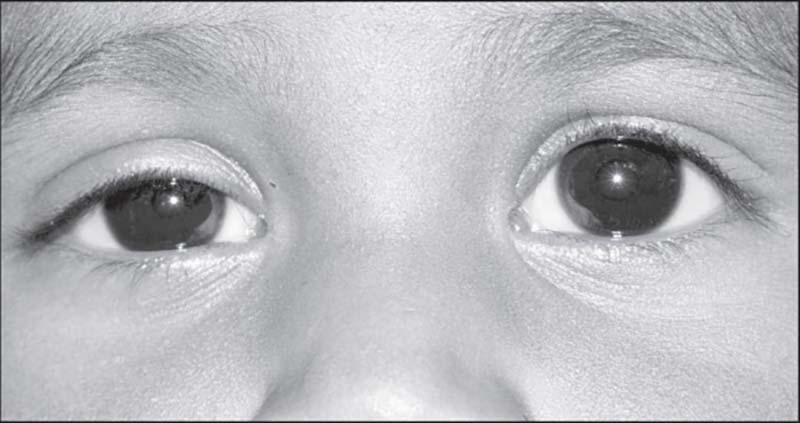
The oculosympathetic nerves control involuntary functions of the eye muscles (Müller’s muscle) and pupil dilation. When these nerves are damaged or obstructed, physical signs will be visible only on one side of the face.
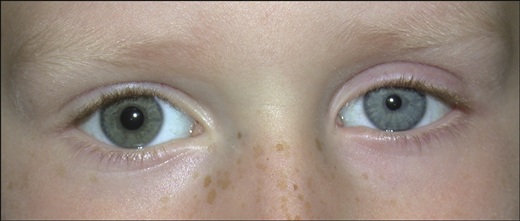
The three classic symptoms that characterize Horner’s syndrome, which may not all occur but typically do, include:
- Ptosis: the drooping of the upper eyelid
- Miosis: pupil constriction
- Anhidrosis: a decrease or lack of sweating on the face
There will usually be a noticeable difference in pupil size between the two eyes, and dilation of the affected pupil may be delayed or limited. The affected eye may have a sunken appearance and appear bloodshot. Some children with congenital Horner’s syndrome develop heterochromia (two different eye colors).
The symptoms of Horner’s syndrome do not generally cause issues to your vision. However, the underlying condition causing Horner’s syndrome may cause significant health complications.
If you notice your child’s eye is drooping and/or has a constricted pupil, seek medical care immediately. If other symptoms accompany Horner’s symptoms, such as muscle weakness, impaired vision, or dizziness, it may be a sign of a serious underlying condition.
How is Horner’s Syndrome Diagnosed?
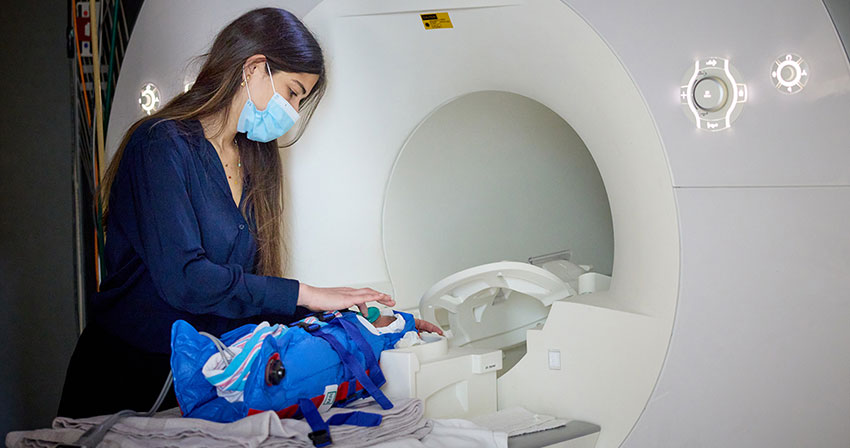
Horner’s syndrome itself is typically diagnosed by a medical provider with a physical and ocular examination. The physician will observe the ptosis of the upper and lower eyelids and any discrepancies in pupil dilation using different lighting. Your child’s neck and abdomen may be checked for masses (tumors).
Some pharmacological tests may be administered as well to make a Horner’s syndrome diagnosis. This includes using eye drops to test the dilation response of the pupil.
Identifying the underlying condition that causes Horner’s syndrome may be more difficult to diagnose. After reviewing your child’s medical history and any accompanying symptoms, additional diagnostic tests may be necessary to identify the cause:
- MRIs (magnetic resonance imaging)
- CT scans
- Ultrasounds
- Chest X-ray
- Complete blood count (CBC)
- Magnetic resonance angiography (MRA, evaluates blood vessels)
- Erythrocyte sedimentation rate (ESR)
It is important to contact your child’s medical provider if they are exhibiting any symptoms of Horner’s syndrome. The underlying condition causing Horner’s syndrome should be identified and treated immediately to avoid further complications.
Some disorders present similarly to Horner’s syndrome. Adie Syndrome affects the pupil and is characterized by abnormal pupil dilation/contraction, slow reaction to light, or difficulty focusing on nearby objects.
Wallenberg Syndrome causes low fluid pressure in the eye, which can affect the eye’s functioning. It is important for medical providers to accurately make the distinction between these disorders for a proper diagnosis of Horner’s syndrome.
How is Horner’s Syndrome Treated?
Horner’s syndrome itself cannot be treated, but the underlying condition typically can. If birth trauma caused your child’s Horner’s syndrome, treatment options are unfortunately limited. In mild cases of temporary nerve damage or disruption, symptoms usually improve or resolve completely.
In cases of a brachial plexus injury causing Horner’s syndrome, treatment options like nerve graft surgery, Botox injections, and physical therapy may help. Treatment of neuroblastoma causing Horner’s syndrome can vary greatly depending on the severity of the cancer.
In severe cases of Horner’s syndrome, especially when the underlying condition is untreated, nerve damage can be permanent and symptoms may persist. If you notice your child exhibiting symptoms of Horner’s syndrome, seek prompt medical attention to prevent the risk of chronic Horner’s syndrome.
Commonly Asked Questions About Horner’s Syndrome
Is Horner’s Syndrome Painful?
The symptoms of Horner’s syndrome are not painful. Your child may experience light sensitivity depending on how their pupil is affected, but the nerve damage should not cause your child pain. If your infant is experiencing pain, it is likely due to the underlying condition that is causing Horner’s syndrome.
If your baby is crying more or fussier than usual, it may be a sign that they are in pain. Other signs of pain are sleeplessness, flailing of the limbs, rigidity of hands or body, and negative facial expressions. If you believe your child is in pain, contact a medical provider as soon as possible.
How Common is Horner’s Syndrome?
Horner’s syndrome is uncommon for all ages with a frequency of about 1 in 6000 individuals experiencing symptoms. Less than 5 percent of children with Horner’s syndrome acquire the condition before or at birth (congenital).
A pediatric study of Horner’s syndrome found that, among a population of 31 children, 42% had congenital Horner’s syndrome. The other children acquired the condition from other factors or after surgery on the neck, central nervous system, or thorax.
Is Horner’s Syndrome Life-Threatening?
Horner’s syndrome is a secondary complication caused by an underlying medical condition. So, Horner’s syndrome itself is not life threatening, but the underlying condition may negatively impact an individual’s health.
If you notice Horner’s symptoms in your child, especially coupled with other concerning symptoms like pain or weakness, seek medical care immediately. Untreated conditions causing Horner’s syndrome in infants can significantly deteriorate your child’s health.
Can Horner’s Syndrome Be Prevented?
The best way to prevent Horner’s syndrome in infants is to prevent trauma to the head and neck during delivery. However, the naturally occurring pressure on the baby’s head during vaginal delivery can make it difficult to prevent damage to the sympathetic nerves.
In other cases of mechanical trauma during birth, preventable medical mistakes can cause injuries that cause Horner’s syndrome. The use of forceps and vacuums as delivery tools must be used with utmost caution by medical providers to prevent birth trauma.
The misuse of labor inducing medications can cause uterine hyperstimulation, which is frequent and/or forceful contractions during vaginal delivery. The excessive compression caused by hyperstimulation can also increase the risk of nerve damage to the oculosympathetic pathways.
Was Your Child’s Horner’s Syndrome Caused by Medical Malpractice?

Parents whose children suffer birth injury-related Horner’s syndrome want and deserve answers as to whether mistakes by the doctors and nurses contributed to the injury. Our top rated birth injury attorneys have represented families all over the United States in their time of need after a birth injury.
We use our skills and expertise to obtain for you and your child a medical malpractice settlement that will help provide specialized medical therapy to maximize the quality of life and independence of your child throughout their life.
- Were there signs of birth injury or birth complications during the pregnancy, labor, and delivery process, or presence of risk factors, which were either not recognized or properly treated?
- During the labor and delivery, were there clear indications that the baby was suffering from fetal distress, but appropriate actions were not taken by the maternal fetal specialists, obstetrician or nurses?
- Was there a delay in diagnosis of a likely premature birth that led to later complications, including brain injury?
- Did the medical team fail to order a series of tests to diagnose this birth complication in a timely manner that led to nerve damage?
- Was the decision to perform a cesarean delivery delayed leading to birth trauma during vaginal delivery or labor?
- Did the medical team cause excessive traction on the baby’s head using assistive delivery tools?
- Were there risk factors that medical professionals failed to address that caused a brachial plexus injury?
Our birth injury attorneys have recovered millions of dollars in settlements for families of children that have suffered a birth injury. At no point in our legal intake process will we ask you to pay anything. The medical review of your case and the consultation are free. We only receive payment when you do, no matter how long or tough your case is.
What Is the Statute of Limitations in a Birth Injury Lawsuit?

A statute of limitations (SOL) is a law that sets a time limit on how long an injured person has to file a lawsuit after an accident.
It is essential to understand that statutes of limitations vary based on the case and the state where you file. For instance, the deadline for birth injury claims is typically different from other claims, such as injury to private property.
Generally, the clock starts ticking on the date the injury occurred. However, there are exceptions to this rule. In some cases, the statute of limitations starts when a person discovers or reasonably should have discovered an injury. When dealing with government agencies, SOLs can become even more complex.
For example, if the party that injured you was:
- A federal employee
- Employed by a military hospital, Veterans Administration facility, or a federally funded medical entity
How Can Our Birth Injury Attorneys Help?

Birth injuries are not always preventable, but medical errors are. It takes an expert review of the facts of your birth to determine whether medical professionals mismanaged your child’s delivery.
Birth Injury Claim Under Federal Tort Claims Act (FTCA)
You may need to file a birth injury claim under the Federal Tort Claims Act (FTCA). In FTCA cases, claimants must go through certain administrative procedures before filing a lawsuit. In some states, you may have less time to give notice if:
- The negligent party was a local or state government hospital
- The doctors and medical providers are employees of a governmental entity
If you file your case outside of the statute of limitations, the court will typically dismiss it. This means you will not be eligible to recover compensation for you or your child’s injuries.
Determining when a statute of limitations begins on your case can be tricky. Our cerebral palsy attorneys specializing in birth injuries and can tell you important cutoff dates in your state.
Our Process
Our team of committed birth injury attorneys, nurses and paraprofessionals work to answer questions of medical malpractice and seek compensation. We use our detailed medical negligence case review process to assess your potential birth injury case.
We start by learning more about your child by gathering records to determine what happened during and after your delivery. This includes a detailed review of the treatment doctors provided or failed to provide after labor. We also consider your child’s status of meeting or missing developmental milestones.
We call in skilled medical experts who review your records and provide insight into where medical professionals went wrong. If we feel medical negligence caused or worsened your child’s injuries, we meet with you to discuss further.
At no point in our legal intake process will we ask you to pay anything. The medical review of your case and the consultation are free. We only receive payment once you do. The sooner you reach out, the sooner we can investigate your case and gather the evidence to support your claim.
We work on a contingency fee basis, meaning you will not pay any legal fees until we win your case. We do not pursue any medical malpractice cases unless we fully believe we can win.
Contact us today to schedule your free consultation by calling our toll-free line at (888) 987-0005. You can also reach us by filling out our online request form.
National Birth Injury Law
Our National Birth Injury Attorneys, nurses, and support staff understand that parents of children with birth injuries feel overwhelmed. So, every client has the attention and support of a team of trained, compassionate professionals. But we don’t just offer compassion.
We offer a process to help you discover whether your child’s birth injury, HIE, cerebral palsy or brain injury at birth was caused by medical malpractice.
Call our offices today at (888) 987-0005 for experienced assistance in a free consultation.
Quick Links
Testimonials
- Lyric C. I feel like our voice was heard in a sense of what can possibly go wrong in a delivery and finding us answers. I feel with our settlement, we are now in a comfortable position to provide for our son.
- Lyssa L. They are not just people that say “hey let's get you money and let's go” The law firm was very thorough with us. It was awesome. I don't want to cry, because I think about and it's amazing that they were able to help me and that we were able to help my son and get the story out there.
- Jay C. Throughout the process, one thing was clear to us, the ultimate interest of our child was the utmost concern of Max and his team and as parents navigating a situation like that, that was refreshing to know we had them firmly on our side. I highly recommend them.
Popular Cities
- ★ Dallas Birth Injury
- ★ Houston Birth Injury
- ★ Atlanta Birth Injury
- ★ Chicago Birth Injury
- ★ Philadelphia Birth Injury
Locations
★ Dallas
11551 Forest Central Drive, Ste. 300
Dallas, TX 75243
★ Houston
12929 Gulf Freeway, Ste. 111
Houston, TX 77034