Transverse Fetal Lie
What Is Transverse Fetal Lie in Newborns?
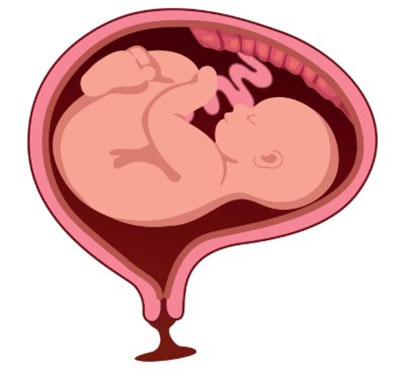
A transverse fetal lie describes a fetus laying horizontally, typically on its back, across the uterus. A baby in this position obstructs the cervix and makes vaginal delivery impossible.
This position can be normal in the first two trimesters but is concerning, though rare, in the third trimester. When the fetus is in a transverse lie, a cesarean section is required unless your healthcare professional can reposition your baby.
The best position for vaginal delivery is usually occiput anterior. This means the fetus’s head is down and faces the mother’s spine with its chin tucked towards the chest.
A transverse fetal lie can cause complications for the mother and baby. Your health care provider should determine if the fetus is lying horizontally through diagnostic tests such as an ultrasound.
A transverse lie constitutes an obstetric emergency during labor and delivery. If your baby is still in a transverse lie at 36 weeks gestation, a new plan for your delivery must be developed. Failure to identify the position of your baby before labor and delivery may constitute medical malpractice, especially if a preventable birth injury occurs.
Birth Injury Malpractice Attorneys
Medical errors can forever impact a baby’s life with permanent conditions like HIE or cerebral palsy. These injuries can happen when medical professionals fail to recognize a transverse fetal lie before labor or fail to schedule a C-section for a baby who cannot be repositioned. Our labor and delivery attorneys will help these children seek justice by pursuing medical malpractice claims against the responsible parties.
Free Legal Consultation
Birth Injury Lawyers
(888) 987-0005Our Birth Injury Lawyers are available to meet you in your home or the hospital.
We are available today to assess the strength of your claim and whether your family is eligible to recover financial damages. We can answer complex legal and medical questions during our free consultation and intake process.
If you decide to hire us, we will provide you with an attorney and an entire medical team. Unlike other firms, we have a vast network of medical experts, in-house nursing staff, and nurse-attorneys assigned to every case.
Our firm understands that your child’s needs cannot simply go on hold while your case is ongoing. This is why we offer financial help and medical assistance immediately, not just after we win.
As your attorneys deal with the litigation process, your medical team will ensure your child receives the care they need. This includes assistance with obtaining medical records, scheduling doctors’ appointments, providing transportation, and any other problems that may arise.
We offer these services on a contingency fee basis. This means that you do not pay a single penny out of pocket until after we win your case. When we win, we will only charge a pre-agreed percentage in fees from your settlement or jury award.
What is the Difference Between Fetal Presentation, Position, and Lie?
During a fetus’s time in the womb, they will likely change positions many times. However, as the fetus grows, they may be forced to stay in one position as room runs out in the uterus.
The final position of the fetus is important for medical professionals to identify prior to labor and delivery. Depending on the fetal presentation, position, and lie, a normal vaginal birth may be possible. In abnormal positions like transverse fetal lie, vaginal delivery is impossible and requires a C-section.
There are a few key terms that describe the fetus in relation to the cervix, maternal pelvis, and the uterus, including:
Fetal Presentation
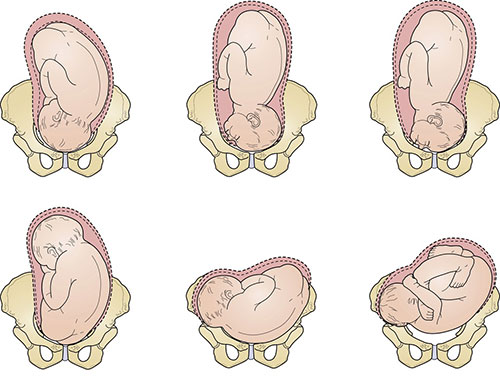
Fetal presentation refers to the part of the fetus’s body that presents first on the way out of the birth canal. Normally, the head leads the way out (cephalic presentation). In some cases, the shoulder, face, or buttocks may present first.
If the fetal buttocks or lower extremities (feet, legs) present closest to the birth canal, this is called a breech presentation.
Fetal Position
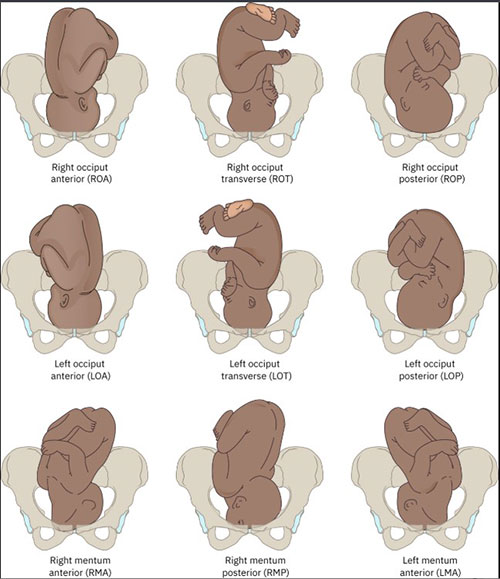
Fetal position refers to the way the fetus is facing in the uterus. If facing backward, it is called occiput anterior, meaning that the fetus is facing the mother’s back. A forward-facing fetus is called occiput posterior and faces the mother’s public bone.
Fetal position is the most difficult aspect for medical professionals to accurately identify using manual palpation. An ultrasound is typically required to confirm the fetus’s position.
Fetal Lie
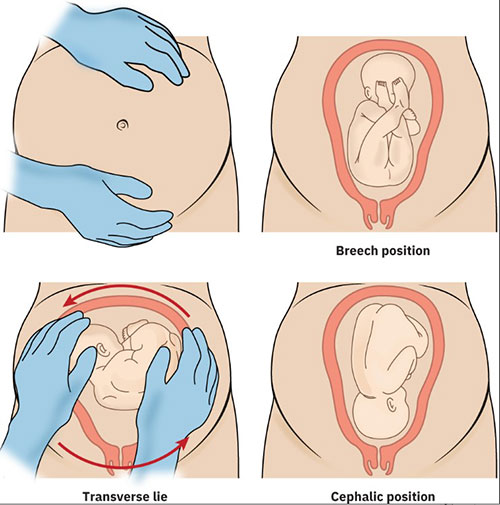
Fetal lie refers to how the fetus’s spine aligns with the mother’s spine. In a normal pregnancy, the spines should line up vertically with the fetus’s head facing down in the birth canal (longitudinal lie). A fetus lying sideways or horizontally across the uterus is a transverse lie.
In most cases, the fetus presents in a longitudinal lie. Non-longitudinal lies are rare but more common in cases of preterm birth and uterine anomalies.
Fetal Attitude
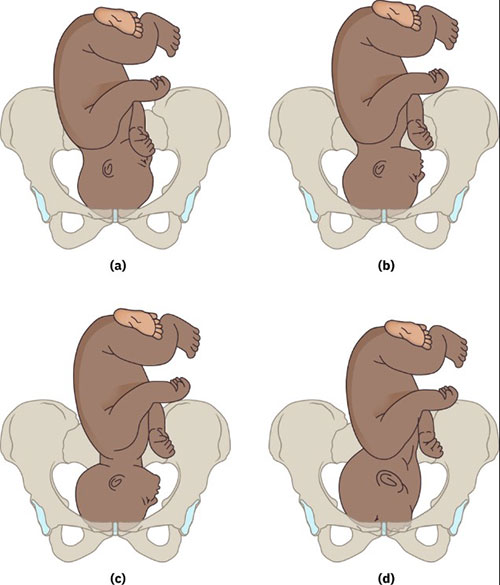
Fetal attitude describes the position of specific body parts in the uterus, most commonly of the head and neck. For example, a chin tilted backwards is irregular while a tucked chin is ideal.
In normal births, the fetus will present with a flexed head and neck to best conform to the birth canal (vertex presenting). If the fetal head is extended, it is described as brow or face presenting.
How is Fetal Lie Determined?
A traditional palpation technique called Leopold Maneuvers can help evaluate fetal lie in the third trimester of pregnancy. While this technique can be imprecise in determining the exact fetal position, it can offer a more comprehensive evaluation when paired with ultrasound results.
Assessment of your fetus’s position in the womb is one of the most important parts of your obstetric and prenatal care. If a transverse fetal lie is identified, doctors and nurses must carefully monitor your pregnancy to avoid birth injury. If a transverse fetal lie cannot be repositioned, doctors and nurses should plan for a C-section delivery.
Failure to identify the exact fetal position, presentation, and lie may constitute medical malpractice if a preventable birth injury occurs. If you believe your prenatal care was mismanaged and led to a preventable birth injury, contact our national birth injury attorneys for a free case evaluation today.
Variations of Transverse Fetal Lie
There are several ways that a fetus may present in a transverse lie, including:
Dorso-inferior (back down) Transverse Lie
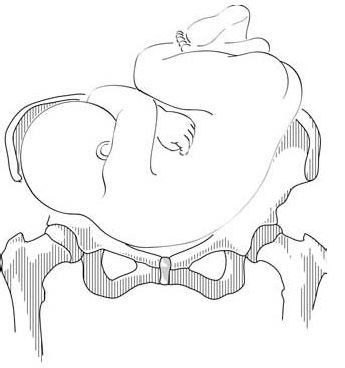
This is the most common presentation of a transverse fetal lie. Because the shoulder blocks the cervix, vaginal delivery is impossible unless the fetus is repositioned prior to labor.
Dorso-superior (back up) Transverse Lie
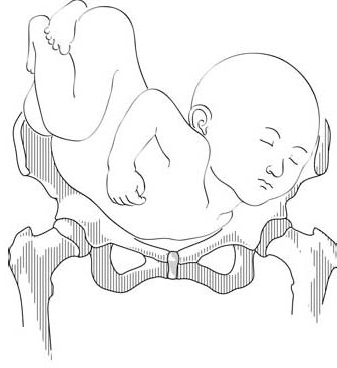
The Dorso-superior transverse fetal lie is marked by the spine curving upwards towards the mother’s abdomen. While this is less common than Dorso-inferior, it carries a much higher risk of umbilical cord prolapse.
Neglected Shoulder Presentation
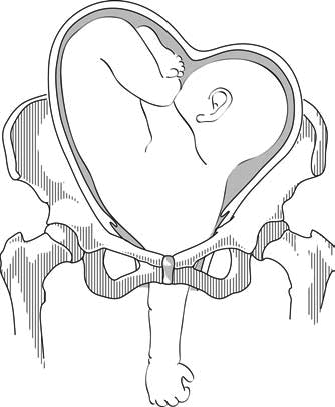
A neglected shoulder presentation is an extremely rare form of persistent transverse fetal lie and can cause serious complications. This presentation usually appears when transverse fetal lie is untreated for multiple hours of labor.
In this position:
- The fetal shoulder is impacted by the prolapsed arm
- The uterus might be contracted
- Amniotic fluid is drained, and
- The infant is likely in severe distress or dead.
While this outcome is very rare in developed countries, it is a tragic possibility of a mismanaged transverse fetal lie delivery.
What Causes Transverse Fetal Lie?
There are many factors that disrupt the fetus’s ability to reposition into a longitudinal (vertical, head-down) position before birth. In some cases, multiple factors may occur simultaneously and create a greater risk of a transverse fetal lie.
Malformed uteruses can create irregular spaces that prevent the fetus from positioning head-down. Fetal macrosomia, or an abnormally large fetus, can significantly restrict uterine space.
Previous pregnancies (multiparity) can weaken the pelvic and uterine muscles, causing abnormal fetus positioning. Other factors that may cause a transverse fetal line include:
Premature Birth

Premature or “preterm” birth (<37 weeks gestation) is one of the most common factors that increases the risk of a transverse fetal lie during delivery.
Transverse fetal lie is a common position in the first and second trimesters, and there is usually time for the fetus to reposition in the uterus before birth. However, when labor occurs too early, the fetus may not have had time to turn to an ideal position for vaginal delivery.
Polyhydramnios & Oligohydramnios

Excessive amniotic fluid (polyhydramnios) is a pregnancy complication that can disrupt fetal movement and positioning. Polyhydramnios can also cause premature birth, umbilical cord prolapse, and breech presentation.
An abnormally low level of amniotic fluid (oligohydramnios) can also prevent proper positioning into a longitudinal fetal lie. Additionally, oligohydramnios can cause restricted fetal growth, premature birth, and an increased risk of respiratory distress syndrome (RDS).
Placenta Previa

Placenta previa is a medical condition defined by the placenta fully or partially covering the cervix. The obstruction of the fetal exit for vaginal delivery can increase the risk of breech position or transverse lie.
Fetal growth may also be restricted as the blood supply to the lower uterine segment is decreased. Other complications caused by placenta previa include premature birth, Placenta Accreta Spectrum (PAS), placental abruption, and massive hemorrhage.
Multiple Pregnancy

A twin or multiple pregnancy can significantly increase the risk of one or more fetuses presenting in a transverse lie. Due to the limited space in the uterus, the fetuses are less likely to reposition themselves into a favorable position before birth.
Multiple pregnancies also increase the risk of premature birth, intrauterine growth restriction (IUGR), umbilical cord compression, and placental abruption.
Premature Rupture of Membranes (PROM)

The premature rupture of membranes (PROM) is a medical condition that occurs after 37 weeks of gestation and before labor begins.
When the amniotic sac holding the amniotic fluid and the baby ruptures, commonly known as “water breaking,” rupture of membranes (ROM) usually prompts the onset of labor.
PROM often causes the fetal position and presentation to change. The sudden depletion of amniotic fluid means the fetus is unable to move as easily.
When a breech or transverse lie baby is suspected after a PROM, the medical providers must be prepared to perform an emergency C-section if there is prolonged or arrested labor or if the electronic fetal monitoring strips show continuing fetal distress.
What are the Complications of Transverse Fetal Lie?
When a transverse fetal lie is identified early in pregnancy and properly managed, chances of complications are usually low. However, if a transverse fetal lie is not identified prior to labor and delivery, the chances of complications are greater.
Mismanaged cases of transverse fetal lie pregnancies may constitute medical malpractice and result in preventable birth injury. Possible complications of a mismanaged transverse fetal lie pregnancy include:
Birth Trauma

A baby suffers from “birth trauma” when they sustain any physical injury to their body during the birthing process. Mechanical forces like compression or traction during delivery can damage the baby’s nerve tissue, muscle tissue, or vital organs, resulting in a birth injury.
In cases of a premature rupture of membranes (PROM) that induces labor, the baby may be mechanically injured by contractions causing compression.
Umbilical Cord Prolapse

Umbilical cord prolapses, which occur after the amniotic sac ruptures, can pose a serious risk if the baby is in a transverse lie. The baby’s head is not there to block the umbilical cord from slipping through the cervix. Normally, the baby exits the womb before or with the umbilical cord.
The prolapse often completely compresses the cord, which reduces or stops the flow of blood and oxygen to the baby. When compression goes on too long, the baby’s heart rate may exhibit signs of fetal distress and birth trauma.
Umbilical cord prolapse and compression may require an emergency C-section to reduce brain damage and prevent death. Regardless, a transverse fetal lie during delivery will always necessitate a C-section.
Uterine Rupture
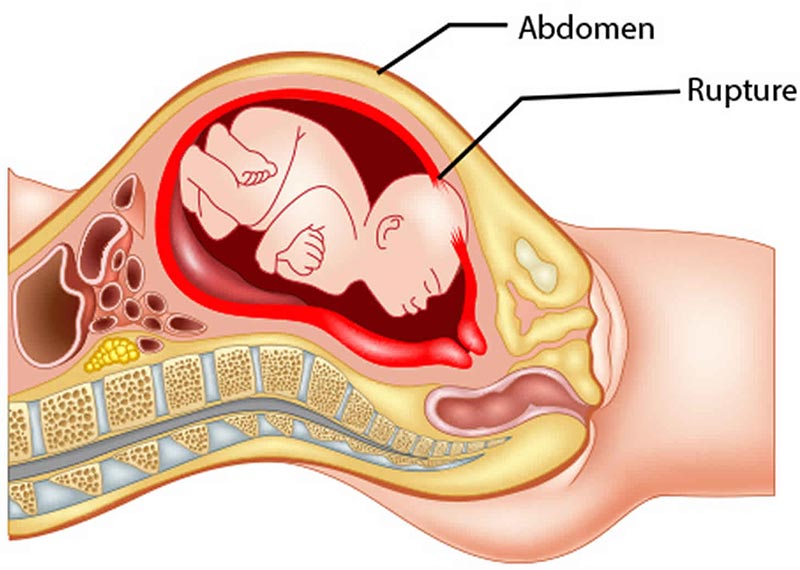
Attempting to vaginally deliver a baby in transverse lie can put excessive pressure against the uterine wall and cause the uterus to rupture. This means that the uterus tears or breaks open completely or partially.
If doctors and nurses fail to prepare a C-section delivery and the mother goes into labor, there is a chance of uterine rupture.
Medical professionals must identify risks that can cause a uterine rupture, including if the baby is in a transverse lie, and react immediately if it occurs.
Failing to do so could mean they have committed medical malpractice that injured a mother and her newborn. Failing to prepare a C-section delivery for a baby in a transverse fetal lie may also constitute medical malpractice.
Birth Asphyxia

Birth asphyxia is a labor and delivery complication where any type of blockage obstructs oxygen and blood from flowing to the baby’s brain. Especially in cases of umbilical cord prolapses, a restriction of oxygenated blood to the brain may occur if the delivery is mismanaged.
Birth asphyxia can lead to irreversible brain damage. Complications like hypoxic-ischemic encephalopathy (HIE) that result in cerebral palsy can occur as a result.
Infant Death

In cases of umbilical cord prolapses that are not treated immediately during labor and delivery, birth asphyxia is likely to occur. If a baby’s brain is deprived of oxygen for an extended time, death is a tragic possibility.
Neonatal death refers to a child whose passing occurs in the first 28 days of life. In cases of pregnant women who are carrying a baby in transverse lie, birth injury and death are usually preventable.
Medical professionals must monitor and properly manage transverse fetal lie pregnancies. For example, if the fetus cannot be repositioned, the mother may need a scheduled C-section to prevent the risk umbilical cord prolapse.
How is Transverse Fetal Lie Treated?
After your medical provider confirms a transverse fetal lie, proper management is vital for safe delivery. Before 34 weeks of gestation, the fetus may be able to move to a head-down position on its own. After 34 weeks of gestation, it is unlikely for the fetus to be repositioned on its own and requires external care.
There are several techniques that can aid in repositioning a fetus into the optimal longitudinal, head-down position for vaginal birth, including:
External Cephalic Version (ECV)
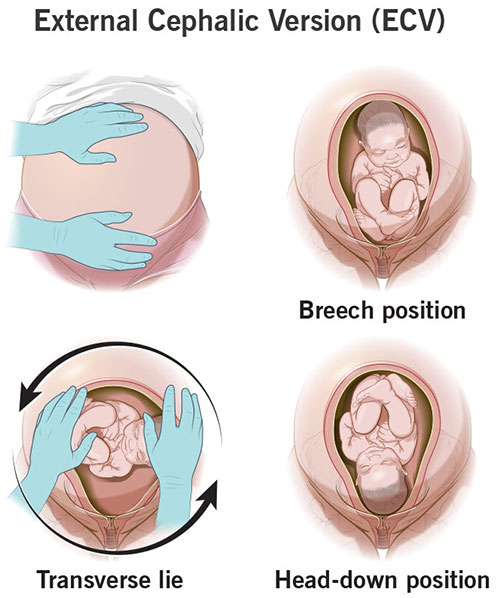
External Cephalic Version (ECV) is a noninvasive procedure that attempts to rotate a baby to a head-down position ideal for vaginal delivery. During this procedure, your healthcare provider externally applies firm pressure to the abdomen to rotate the baby’s position.
ECV is administered near term, usually around 37 weeks gestation, and with membranes intact. Certain factors can make ECV an unsafe option for repositioning your baby, including:
- Multiple pregnancy
- Uterine abnormalities
- Placenta previa
- Oligohydramnios (low amniotic fluid)
- Maternal diabetes or hypertension
External cephalic version has about a 58% chance of success. While ECV may increase your chance of a successful vaginal delivery, the procedure poses some possible risks:
- Placental abruption
- Premature rupture of membranes (PROM)
- Fetal distress
- Preterm labor
- Vaginal bleeding
It is important that your medical provider discusses the risks of EVC before administering the procedure. If your doctor performs the procedure knowing that it may be unsafe and results in injury, they may be liable for medical malpractice.
At-Home Remedies

Some at-home exercises can promote a head-down repositioning from a transverse fetal lie. However, before anything, consult with your healthcare provider for guidance on what is best for you and your baby.
Certain maneuvers and positions may create more space in your pelvis, including:
- Gentle stretches
- Rocking gently back and forth on your hands and knees
- Changes in how you sit and sleep
- A bridge pose (pushing your hips in the air while lying on your back with bent knees and flat feet)
- Low-impact exercises (like squatting)
Certain stimuli, like sound and temperature, may encourage fetal repositioning as well. Speaking to your baby or playing music may interest the fetus and cause movement.
Applying a cool compress at the top of the abdomen or where the fetus’s head is may entice movement away from the cold and into a downward-facing position. While these techniques are not guaranteed to work, there is generally no harm in trying.
Cesarean Section (C-Section)
If the attempts to reposition a fetus in a head-down position are unsuccessful, a C-section delivery is necessary for the health of the mother and baby. Sometimes, a transverse fetal lie may not be identified until labor begins. If an emergency C-section is not started in a timely manner after the rupture of membranes, the baby and mother are at a greater risk of complications.
A C-section delivery of a baby in a transverse lie can be trickier than others. The presenting part of the baby is usually not palpable, meaning that nothing can be grabbed to guide the infant out of the uterus. Oftentimes, the doctor must manually move the fetus until a foot can be grabbed.
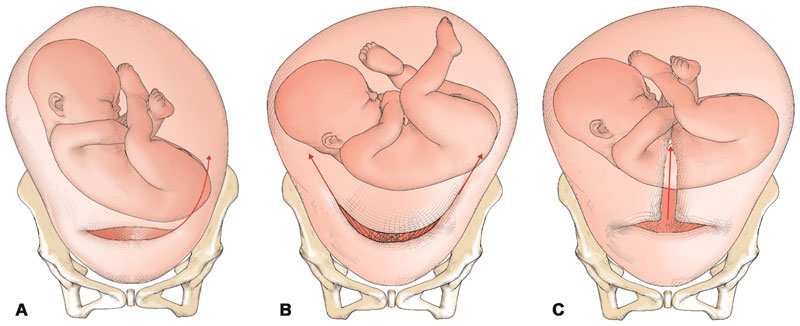
Once a fetal foot is palpable, the surgeon must take great care when guiding the infant out of the uterus. If grabbed by the lower legs or thighs, the force may cause fractures. Instead, the operator should grasp the ankle.
Sometimes, the incision needs to be extended in a J- or U-shape, or an inverted T-shape for a successful delivery. Ideally, both fetal hips should be held securely and guided out toward the maternal feet until the upper back of the fetus emerges.
What Are the Risks of a C-Section?

C-section deliveries carry higher risks than a typical vaginal birth. However, in the case of a transverse fetal lie during labor, a C-section is usually the only option for a safe and successful delivery.
It is critical that doctors, nurses, and other delivery room professionals act with extreme caution and in a timely manner. Needlessly delaying the procedure can prolong an unborn baby’s oxygen deprivation and open the door for irreversible brain injuries.
Delayed C-sections are a significant cause of hypoxic ischemic encephalopathy (HIE), the most common type of brain damage at birth. HIE injuries at birth can cause a wide variety of developmental delays and movement disorders like cerebral palsy. When a child sustains these injuries because doctors wait too long to perform a C-section, it qualifies as medical malpractice.
Medical errors can set the tone for the rest of a baby’s life when they cause permanent, irreversible birth injuries. Even seemingly small mistakes like delaying an emergency C-section can have life-altering consequences. Our C-section birth injury attorneys help these children seek justice by pursuing medical malpractice claims against the responsible parties.
Our C-section birth injury team has recovered hundreds of millions in compensation for our clients. Our track record of birth injury results speak for itself.
Recent C-Section Case:
After a mother suffered a uterine rupture during delivery, doctors failed to perform a timely C-section. This led to the infant suffering from permanent brain damage at birth. Our team of top rated birth injury lawyers recovered $3,000,000 to help with future medical expenses and therapies.

What Birth Injuries Can Result from Transverse Fetal Lie?
When doctors and nurses fail to address a transverse fetal lie quickly and properly during labor, preventable birth injuries may result from the negligence. Especially in cases of umbilical cord prolapse or compression, the risk of birth asphyxia causing irreversible brain damage is a serious risk.
Some possible birth injuries from prolonged oxygen deprivation include:
Permanent Brain Damage

Brain damage at birth refers to when any type of birth complication or injury results in disruption or impairment to a newborn’s natural cognitive functions. These impairments can cause other disorders outside of the brain that come with their own physical symptoms. Brain damage at birth can cause developmental delays and injuries that will require lifelong medical treatment.
If medical providers fail to identify signs of fetal distress or unnecessarily delay a C-section for a fetus in transverse lie, irreparable brain damage may follow prolonged oxygen deprivation. Trauma to the head caused by umbilical cord complications or errors during the C-section can also cause brain damage.
Hypoxic-Ischemic Encephalopathy
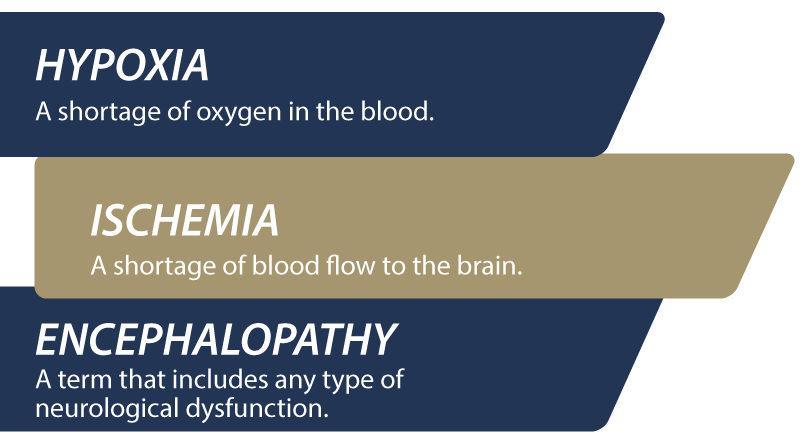
Hypoxic-ischemic encephalopathy (HIE) is a type of birth complication that occurs when the baby’s brain is deprived of oxygen. HIE usually occurs during the birthing process. Babies with severe HIE may experience developmental delays, cognitive defects, or conditions, such as cerebral palsy, which can have severe lifelong consequences.
Careful fetal monitoring and timely intervention could prevent or minimize brain damage for some infants. Failing to do so is medical malpractice. Delayed C-sections can prolong a difficult birth, especially in instances of transverse fetal lie, that worsens oxygen deprivation.
Cerebral Palsy

Cerebral palsy refers to a group of neurological disorders that may impact a child’s ability to move, use muscle coordination, and maintain posture and balance. Cerebral palsy may sometimes occur when the medical team fails to perform a timely cesarean section, or makes other medical errors that cause brain damage.
Children with cerebral palsy often require early intervention treatments, medications, surgeries, and therapies to realize their full potential. In many cases, this lifelong care can cost millions of dollars.
Families should not have to face this financial and emotional strain when their child’s conditions were entirely avoidable. When a child’s injuries stem from careless mistakes at birth, a family can recover funds through a medical malpractice lawsuit. These funds can cover the cost of medical treatments, therapies, adaptive equipment, and more life-saving medical care.
A Cerebral Palsy Lawyer can prove when a medical provider’s negligence directly caused a child’s brain injury. If you have questions or concerns about the events of your child’s birth, seeking legal advice is critical. One call can open the path to fair compensation and better support for your child and their condition.
Seizure Disorders

Neonatal seizures or convulsions are said to occur when a baby suffers from epileptic fits during the neonatal period (first 4 weeks of birth). Neonatal seizures are usually a consequence of prolonged fetal distress during the labor and delivery process. Babies with this birth complication also have an increased risk of hypoxic-ischemic encephalopathy, leading to cerebral palsy.
Some of the common errors made by doctors and nurses that can cause a birth injury leading to seizures include:
- Failure to perform a timely C-section for a baby in transverse lie during labor
- Failure to provide proper prenatal care and treatments for transverse fetal lie prior to labor and delivery
- Failing to react to umbilical cord complications
- Failure to diagnose fetal macrosomia (an abnormally large baby)
Commonly Asked Questions About Transverse Fetal Lie
What Happens if My Baby Is in Transverse Fetal Lie?
Your baby is in transverse fetal lie if they are horizontal in your uterus (womb) instead of head-down. This is a common position for your baby to be in during early pregnancy but requires monitoring and possible treatment later in your pregnancy.
Fetuses usually move into a favorable position for vaginal delivery on their own. However, certain conditions like uterine anomalies or amniotic fluid problems can make this repositioning difficult. If your baby cannot be moved before labor, your medical provider will likely require a C-section delivery.
Is Transverse Fetal Lie Safe for My Baby?
Throughout the first and second trimesters of pregnancy, transverse fetal lie is not unsafe for your baby. In fact, it is quite common during early pregnancy. However, this presentation is a cause for concern towards the end of your term.
Transverse fetal lie during labor and delivery is considered a form of malpresentation. Your baby’s shoulder or back typically presents first in a transverse lie, making vaginal birth impossible. A C-section is necessary to ensure the safety of both the mother and baby.
What Is the Greatest Risk of Transverse Fetal Lie?
The greatest risks of transverse fetal lie during labor are umbilical cord complications or uterine rupture. Because the baby’s head is not blocking the cervix, the umbilical cord can easily slip through before the baby. This may cause umbilical cord compression, which can cause oxygen deprivation (birth asphyxia) and subsequent complications.
When C-section deliveries are unnecessarily delayed, uterine rupture is a serious risk. Uterine rupture occurs when excessive pressure against the uterine walls causes the womb completely or partially tear open.
Is Your Child’s Birth Injury the Result of Medical Malpractice?

The parents of children who suffered birth injuries after the mismanagement of a transverse fetal lie often want answers. They want to know if their child’s birth injury was preventable. Our top rated birth injury attorneys have represented families all over the United States in their time of need after a birth injury.
We use our skills and expertise to obtain for you and your child a medical malpractice settlement that will help provide specialized medical therapy to maximize the quality of life and independence of your child throughout their life.
- Did doctors, nurses, and obstetricians fail to identify transverse fetal lie before labor and delivery?
- Was your baby’s position, presentation, and lie falsely identified before birth?
- Was your baby deprived of oxygen after an umbilical cord prolapse during labor?
- Did medical professionals fail to perform a timely C-section that caused brain damage or other birth injury?
- Was your baby’s diagnosis of transverse fetal lie improperly managed before labor and led to preventable birth injury?
- Did doctors and nurses make mistakes during your C-section that caused preventable injuries like fractures or head trauma?
- Was your External Cephalic Version (ECV) procedure improperly administered?
- Should brain cooling (also called “hypothermia therapy”) have been provided to your baby, but the doctors and nurses failed to perform the appropriate tests or ignored the results of the tests?
Our National birth injury attorneys have recovered millions of dollars in settlements for families of children that have suffered a birth injury. At no point in our legal intake process will we ask you to pay anything. The medical review of your case and the consultation are free. We only receive payment when you do, no matter how long or tough your case is.
What is the Statute of Limitations in a Birth Injury Lawsuit?

A statute of limitations (SOL) is a law that sets a time limit on how long an injured person has to file a lawsuit after an accident. It is essential to understand that statutes of limitations vary based on the case and the state where you file. For instance, the deadline for birth injury claims is typically different from other claims, such as injury to private property.
Generally, the clock starts ticking on the date the injury occurred. However, there are exceptions to this rule. In some cases, the statute of limitations starts when a person discovers or reasonably should have discovered an injury. When dealing with government agencies, SOLs can become even more complex.
For example, if the party that injured you was:
- A federal employee
- Employed by a military hospital, Veterans Administration facility, or a federally funded medical entity
Birth Injury Claim Under Federal Tort Claims Act (FTCA)
You may need to file a birth injury claim under the Federal Tort Claims Act (FTCA). In FTCA cases, claimants must go through certain administrative procedures before filing a lawsuit. In some states, you may have less time to give notice if:
- The negligent party was a local or state government hospital.
- The doctors and medical providers are employees of a governmental entity.
If you file your case outside of the statute of limitations, the court will typically dismiss it. This means you will not be eligible to recover compensation for you or your child’s injuries.
Determining when a statute of limitations begins on your case can be tricky. If you are considering pursuing compensation, contact a birth injury attorney as soon as possible.
How Can Our Birth Injury Attorneys Help?

Doctors can sometimes prevent complications of transverse fetal lie by attempting to reposition the fetus or have a delivery plan that typically requires a C-section. However, it takes an expert review of the facts of your birth to determine whether medical professionals made preventable errors.
Our Process
Our team of committed attorneys, nurses and paraprofessionals work to answer these questions and seek compensation. We use our detailed medical negligence case review process to assess your potential birth injury case.
We start by learning more about your pregnancy by gathering records to determine what happened during and after your delivery. This includes evaluating when the transverse fetal lie was detected, if at all, prior to labor and delivery.
We will call in skilled medical experts who will review your records and provide insight into where medical professionals went wrong. If we feel medical negligence caused or worsened your baby’s birth injury, we meet with you to discuss further.
At no point in our legal intake process will we ask you to pay anything. The medical review of your case and the consultation are free. We only receive payment once you do. The sooner you reach out, the sooner we can investigate your case and gather the evidence to support your claim.
We work on a contingency fee basis, meaning you will not pay any legal fees until we win your case. We do not pursue any medical malpractice cases unless we fully believe we can win.
Contact us today to schedule your free consultation by calling our toll-free line at (888) 987-0005. You can also reach us by filling out our online request form.
National Birth Injury Law
Our National Birth Injury Attorneys, nurses, and support staff understand that parents of children with birth injuries feel overwhelmed. So, every client has the attention and support of a team of trained, compassionate professionals. But we don’t just offer compassion.
We offer a process to help you discover whether your child’s birth injury, HIE, cerebral palsy or brain injury at birth was caused by medical malpractice.
Call our offices today at (888) 987-0005 for experienced assistance in a free consultation.
Quick Links
Testimonials
- Lyric C. I feel like our voice was heard in a sense of what can possibly go wrong in a delivery and finding us answers. I feel with our settlement, we are now in a comfortable position to provide for our son.
- Lyssa L. They are not just people that say “hey let's get you money and let's go” The law firm was very thorough with us. It was awesome. I don't want to cry, because I think about and it's amazing that they were able to help me and that we were able to help my son and get the story out there.
- Jay C. Throughout the process, one thing was clear to us, the ultimate interest of our child was the utmost concern of Max and his team and as parents navigating a situation like that, that was refreshing to know we had them firmly on our side. I highly recommend them.
Popular Cities
- ★ Dallas Birth Injury
- ★ Houston Birth Injury
- ★ Atlanta Birth Injury
- ★ Chicago Birth Injury
- ★ Philadelphia Birth Injury
Locations
★ Dallas
11551 Forest Central Drive, Ste. 300
Dallas, TX 75243
★ Houston
12929 Gulf Freeway, Ste. 111
Houston, TX 77034